
Conscious Breathing in Yoga: It's Neuroscience
You have probably practiced or taught conscious breathing in yoga classes more times than you can count. But do you know how much power that breath actually has over the nervous system?
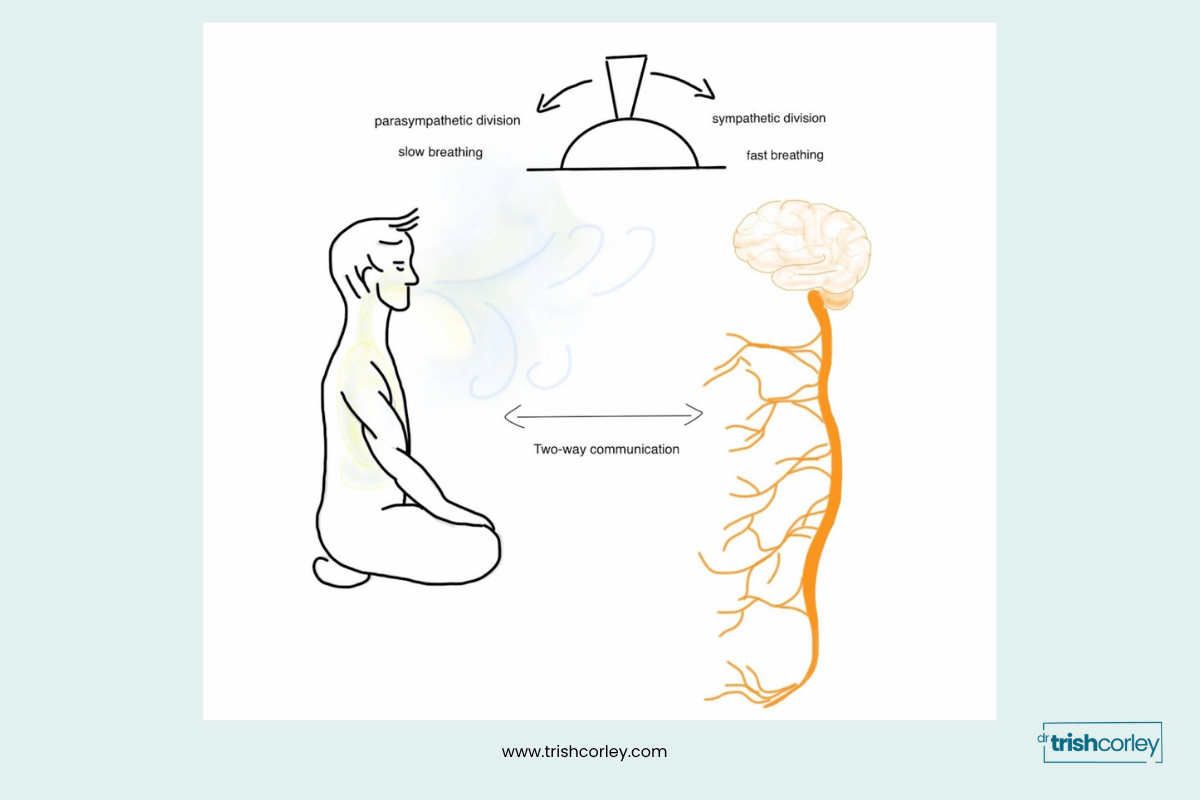
In the hustle and bustle of modern life, people often find themselves in a constant state of stress and tension. The fight or flight response, triggered by the sympathetic nervous system, often takes the forefront, leading to an increase in respiratory rate and other vital signs. Through the art of conscious breathing, a tool we use constantly in yoga, we can interrupt that fight or flight response and tap into the calming influence of the parasympathetic nervous system.
Conscious breathing gives you direct, voluntary access to a nervous system response that would otherwise run entirely on autopilot, making it one of the most powerful tools you have in a yoga class.
In This Article:
The link between parasympathetic activation and vital signs
What happens in the body when the sympathetic nervous system activates
What happens in the body when the parasympathetic nervous system activates
Why breath is the one vital sign you can consciously control
The connection between conscious breathing and mindfulness
Understanding the Link Between Parasympathetic Activation and Vital Signs
The parasympathetic nervous system, often called the "rest and digest" system, works in contrast to the sympathetic nervous system. When activated, it promotes relaxation and recovery. One of the immediate effects is a reduction in heart rate, blood pressure, and respiratory rate. This happens as your body conserves energy and redirects resources toward functions like digestion and cellular repair.
In moments of stress or danger, the sympathetic nervous system takes over, initiating the fight or flight response. Your body prepares to tackle the perceived threat by releasing stress hormones like adrenaline and cortisol. This leads to an increase in heart rate, respiratory rate, and blood pressure, readying you for action.
Your nervous system is well equipped to keep you safe in genuinely harmful situations. The trouble is, it often cannot tell the difference between the threat of a bus coming toward you as you cross the street and the threat of a deadline, a conflict at work, or a sick family member. Many people are walking around with a sympathetic nervous system that never fully switches off, especially those who have experienced trauma.
If you teach group yoga classes, you can count on some of your students walking in with an active sympathetic nervous system already running. They likely came to class to destress or feel better. The physical movement plays a role in shifting that. And sometimes, it can be as simple as breathing.
When the sympathetic nervous system is activated:
Increased heart rate: your heart beats faster to get more oxygen and hormones circulating through your body
Increased blood pressure: pressure rises in your blood vessels to increase blood flow
Increased respiratory rate: faster breathing means more oxygen available for the blood stream
Decreased digestion: your body conserves energy and limits digestion, which becomes a problem when this system is always switched on
When the parasympathetic nervous system is activated:
Decreased heart rate: your heart can slow down and work less
Decreased blood pressure: important for long term cardiovascular health
Decreased respiratory rate: your lungs and respiratory system can relax
Increased digestion: with other vital signs settling, your body can put attention toward digesting food and repairing tissue and cells, which is exactly what healing requires
Conscious Breathing in Yoga is the Gateway to Well-Being
Among the vital signs mentioned above, the breath is the only one you can easily and voluntarily alter. Unlike heart rate or blood pressure, which are largely regulated by the autonomic nervous system, conscious breathing allows you to take charge and influence your respiratory rate directly. If someone told you to lower your heart rate or blood pressure on command, you simply could not. But if someone told you to slow down your breathing, you most likely could. And in turn, your heart rate and blood pressure will likely follow.
This ability to voluntarily change your respiratory rate is exactly why breath-focused yoga practices are so powerful for activating the parasympathetic response. It is a simple pathway toward tranquility. Breath acts as a bridge between the conscious and unconscious parts of your nervous system. By becoming aware of it and consciously working with it, you can influence your own physiological state.
Neuroscience and Mindfulness
Our nervous systems are complex. Every one of us has experienced thoughts racing through the mind, some level of anxiety along with it. This is yet another benefit of conscious breathing in your practice. A focus on breath cultivates mindfulness. Directing attention to your breath helps your mind stay anchored in the present moment, which fosters clarity and can ease anxiety and rumination. This mindful state supports a deeper mind-body connection, allowing your students to better connect to their own emotional and physical state.
The Bottom Line
Conscious breath is a direct, physiological tool for shifting your students out of fight or flight and into rest and digest. You are not just guiding them through an exercise. You are giving them access to one of the only autonomic functions they can consciously influence.
Get Curious! Q&A
How does conscious breathing affect the nervous system?
Slow, conscious breathing signals the parasympathetic nervous system to activate, which can lower heart rate, blood pressure, and respiratory rate while supporting digestion and cellular repair.
Why is breath the easiest vital sign to consciously control?
Heart rate and blood pressure are largely regulated automatically by the nervous system, but respiratory rate is the one vital sign you can voluntarily change, which makes breath your most direct entry point into shifting your physiological state.
Can conscious breathing help with anxiety in a yoga class?
Directing attention to the breath helps anchor the mind in the present moment, which can support mental clarity and ease anxiety and rumination during and after practice.
Do all yoga students walk into class with an active sympathetic nervous system?
Not all, but many students arrive already carrying stress, and it is likely to be true for a meaningful number of the people in any given group class.
Go Deeper with Your Understanding of Anatomy and Cueing
Breath is one piece of how anatomy shapes what happens in your students' bodies. The Cue with Confidence guide will show you how to bring that same anatomy-informed thinking into the cues you give every class.
Download the free Cue with Confidence guide →
About the Author
Dr. Trish Corley is a Doctor of Physical Therapy (Physiotherapy) and yoga teacher trainer with over two decades of clinical experience. She helps yoga teachers learn anatomy, give clear cues, and create classes their students love. Based in Lisbon, Portugal, she leads the Enlightened Anatomy Course, the Elevate Your Impact Mentorship, and the Power to Lead 200-Hour YTT.