
Is Yoga Tearing Up Your Rotator Cuff?
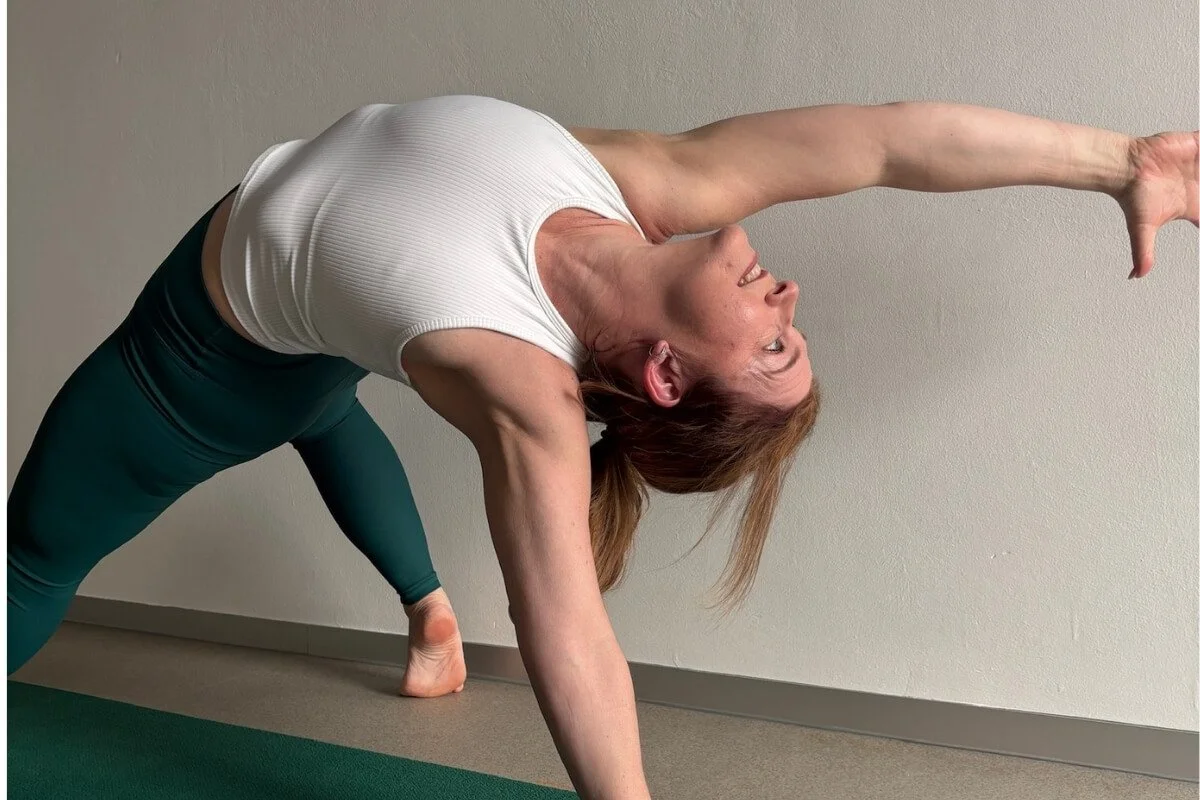
You worry about your shoulders in yoga. Or maybe your students do, and they ask you about it after class. It comes up constantly when I train yoga teachers: rotator cuff pain, rotator cuff tears, whether all that weight bearing on the arms is quietly wearing something down.
The rotator cuff is a group of four small stabilizing muscles, and research shows tears are common even in people who feel no pain at all. The real risk factor in yoga is not frequency of practice. It is alignment.
In This Article:
What the rotator cuff actually is and why it matters in yoga
Why these muscles are built for stability, not power
What a rotator cuff tear really means (and why it's often painless)
What the research says about yoga's role in rotator cuff injury
The one shift that protects your shoulders more than anything else
Understanding the Rotator Cuff in Yoga
Many yoga teachers talk about rotator cuff injuries without ever learning what the rotator cuff is. That's not a knock on your training. Most yoga teacher trainings give anatomy a passing mention at best. The fact that you're reading this puts you ahead of that curve already.
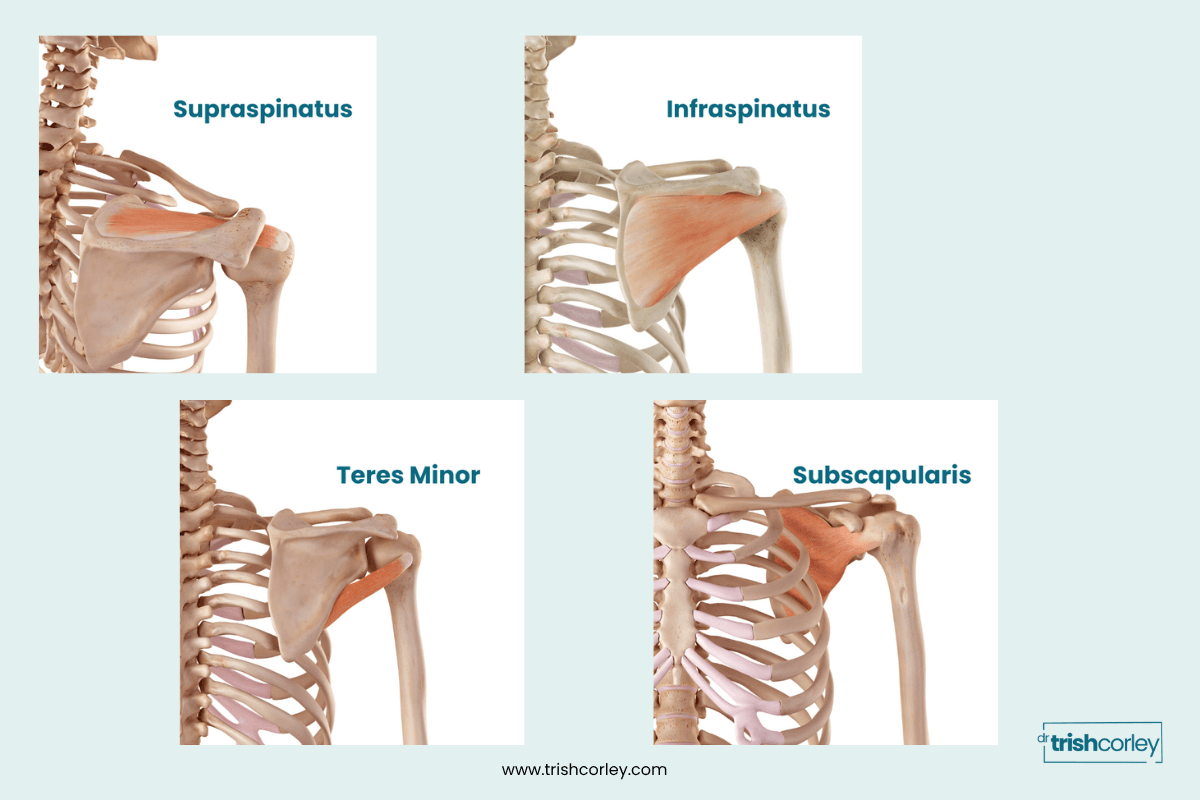
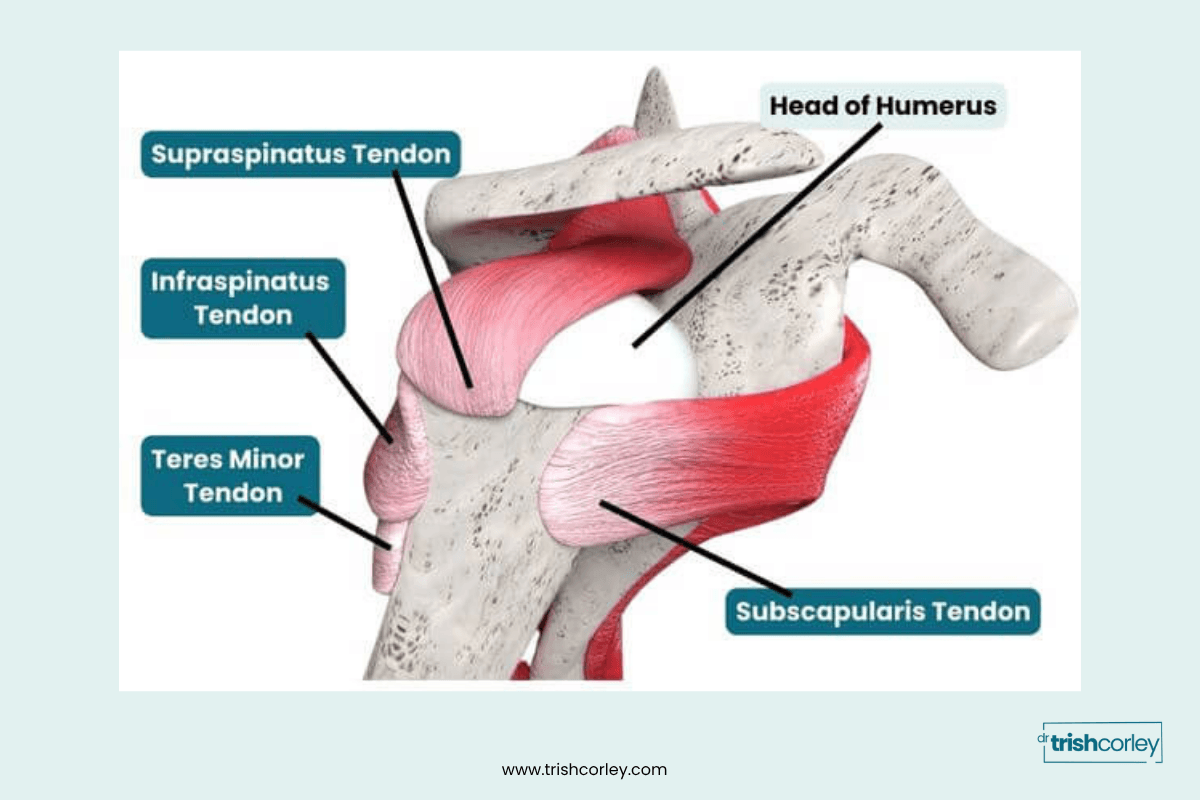
The rotator cuff is a group of four muscles that surround your shoulder joint: the supraspinatus, infraspinatus, teres minor, and subscapularis. Each one runs from your shoulder blade (scapula) to your upper arm bone (humerus), attaching by way of a tendon. Together, those tendons wrap around the head of your humerus and form a kind of cuff, which is where the name comes from.
The Rotator Cuff Muscles Provide Stability, Not Power
These muscles are small compared to the major muscles around your shoulder. They aren't built to generate force. Their job is stability. They act as dynamic stabilizers, keeping the head of your humerus centered in the shallow socket of your shoulder blade while you move.
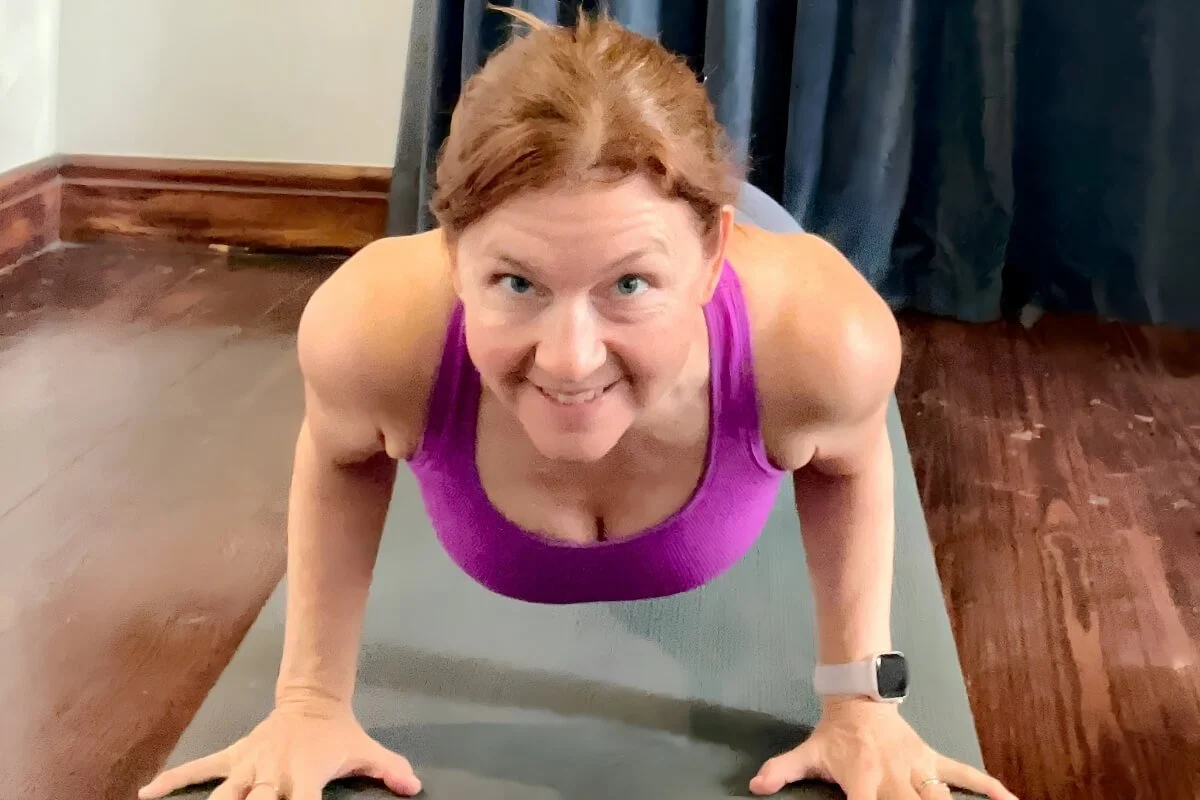
That stability matters most in weight bearing postures like upward facing dog, crow, and handstand. A stable shoulder doesn't just make these postures easier. It lowers the risk of injury too.
What a Rotator Cuff Tear Actually Means
A rotator cuff injury is damage to one or more of these four muscles, usually at the tendon. Tears range widely in size. Think of it like a small hole in a t-shirt that goes unnoticed versus a tear large enough that you'd stop wearing the shirt. Some tears cause real pain and limited mobility. Many cause very little, if anything at all.
Does Yoga Cause Rotator Cuff Tears?
Rotator cuff tears can happen from sudden trauma, like a fall, or they can develop slowly over time. Falling and tearing a rotator cuff during yoga is uncommon. The more common concern is gradual wear from regular practice. Before blaming yoga specifically, it helps to look at how common these tears already are.
Rotator Cuff Tears Are Common, and Often Painless
Research backs this up. A study by Yamamoto and colleagues (2010) found that nearly half of participants aged 60 and older had partial or full thickness rotator cuff tears, and many had no symptoms at all. Having a tear does not automatically mean pain or lost function. Your shoulder has real capacity to adapt and compensate, which is why many people continue practicing yoga and living full lives with a tear they don't even know about.
What Actually Causes Rotator Cuff Injuries?
A systematic review and meta-analysis by Leong and colleagues (2019) pooled data across multiple studies and found that age above 50, diabetes, and repetitive overhead activity were all associated with increased risk of rotator cuff tendinopathy. Poor posture and muscle imbalance likely play a role too. There is rarely one single cause.
When Alignment Matters
Here's the empowering part. Research measures population-level risk factors like age and diabetes because those are easy to track across large groups. What's harder to study, and just as real in my clinical experience, is what happens inside a single shoulder joint during a single posture. Your shoulder has a wide range of motion, but only a limited amount of space inside the joint for the rotator cuff tendons to move through. With good alignment, that space stays open. With poor alignment, it narrows, and the tendons can rub or become impinged.
This is the piece within a yoga teacher's control. Many of your students may already have a tear they don't know about. Helping them build better alignment and balanced muscle use won't undo age or diabetes, but it addresses the one variable you're actually positioned to affect. Helping students build better posture and balanced muscle use is exactly what yoga teachers are positioned to do.
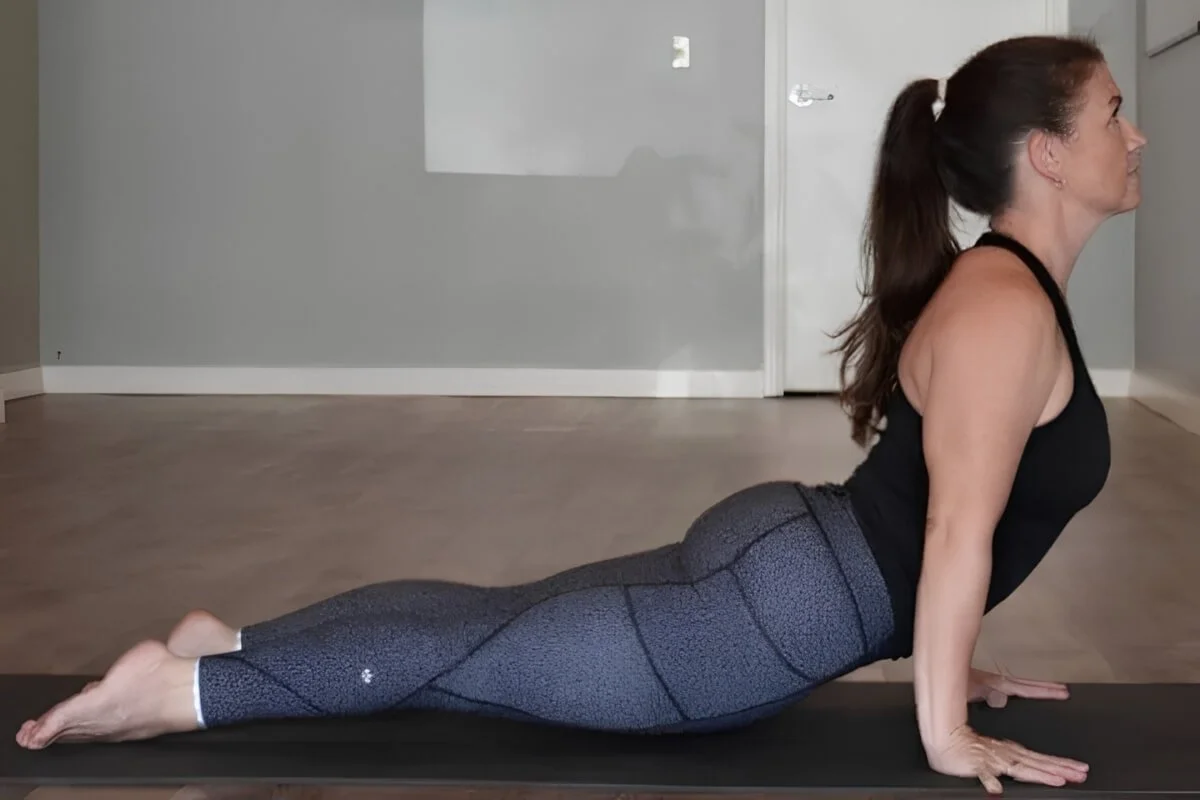
As a teacher, you can encourage strong shoulder alignment while remembering that shoulder stability never comes from the rotator cuff alone. It comes from engagement and alignment through the whole body. Understanding how the rotator cuff connects to that bigger picture is what lets you help your students build a practice that supports strength and stability instead of quietly working against it.
The Bottom Line
Rotator cuff tears are common, often painless, and rarely caused by yoga alone. What actually protects your shoulders, and your students' shoulders, is alignment. That's a shift you can start teaching today.
Get Curious! Q&A
Are rotator cuff tears common in yoga practitioners?
Rotator cuff tears are common in the general population, not just in yoga practitioners. Research shows that a large percentage of people, especially those over 60, have some degree of tear even without pain or symptoms.
Does yoga cause rotator cuff tears?
It's uncommon for yoga to cause a sudden, traumatic rotator cuff tear. Gradual wear is more likely tied to a combination of factors, including including age and repetitive overhead motion, rather than yoga practice by itself. t’s difficult to point to one factor causing an overuse injury. Even people who practice a lot of yoga spend a lot of time doing other activities. There are so many aspects of one’s lifestyle that can contribute.
What can yoga teachers do to support their students' shoulders?
Teachers can focus on cueing strong shoulder AND whole body alignment in weight bearing postures like chaturanga, upward facing dog, crow, and handstand, since stability in these postures comes from the whole body working together, not the rotator cuff alone.
Which yoga postures put the most stress on the rotator cuff?
Weight bearing postures that load the arms, such as chaturanga, upward facing dog, crow, plank, and handstand, place the most demand on rotator cuff stability. Good alignment in these postures matters more than avoiding them.
Go Deeper with your understanding of anatomy and cueing
Knowing the "what" behind an injury is only the beginning. The Enlightened Anatomy Course teaches you the full framework for understanding joints like the shoulder and cueing them with real confidence, so you're never guessing with your students again.
Enlightened Yoga Anatomy & Cueing Program →
About the Author
Dr. Trish Corley is a Doctor of Physical Therapy (Physiotherapy) and yoga teacher trainer with over two decades of clinical experience. She helps yoga teachers learn anatomy, give clear cues, and create classes their students love. Based in Lisbon, Portugal, she leads the Enlightened Anatomy Course, the Elevate Your Impact Mentorship, and the Power to Lead 200-Hour YTT.
References
Yamamoto, A., Takagishi, K., Osawa, T., et al. (2010). Prevalence and risk factors of a rotator cuff tear in the general population. Journal of Shoulder and Elbow Surgery, 19(1), 116–120.
Leong, H. T., Fu, S. C., He, X., Oh, J. H., Yamamoto, N., & Yung, S. H. P. (2019). Risk factors for rotator cuff tendinopathy: A systematic review and meta-analysis. Journal of Rehabilitation Medicine, 51(9), 627–637.