
A Yoga Teacher's Guide to Healing Injuries PART 1 of 4: Inflammation Phase
If you teach yoga, you teach people with injuries.
Statistics on injury in the general population suggest you have, or will have, someone in your class recovering from one. More people are turning to yoga to help them heal, which is good news for us as yoga teachers, provided we're equipped to support them. There's also a good chance the students you're already teaching have, or will have, an injury.
There are three significant phases of the healing process.
Inflammation Phase — the initial emergency response (This Article)
Proliferation Phase — the construction phase where the real building happens
Remodeling Phase — the final phase, where tissue matures and organizes
This 4 part series of articles is created to get you acquainted with the science behind healing. By doing so, you can best serve your students and be part of their healing process. There is an article on each of the phases of healing (see above) and 4. Managing Students which shows you how to use the phases of healing to best support your students.
The inflammation phase is the first of three significant phases of healing and the focus of this article.
In This Article:
What's actually happening in the body during the inflammation phase
Why acute inflammation is protective, not something to rush past
The collagen "band-aid" your students are building
How much load an injury can take during this phase, and why it matters
Understanding the Inflammation Phase
Inflammation is like the body's emergency response team. When an injury happens, it's the body's way of saying "we've got a problem." This phase often shows up with redness, swelling, heat, and pain. There's a lot of talk about reducing inflammation as people strive for better health. Chronic inflammation isn't good for us. Acute inflammation is different. As soon as an injury occurs, the acute inflammation process is triggered, and this is good news. It provides protection and shields the injured area from further harm, and it's the true kickstart to the healing process.
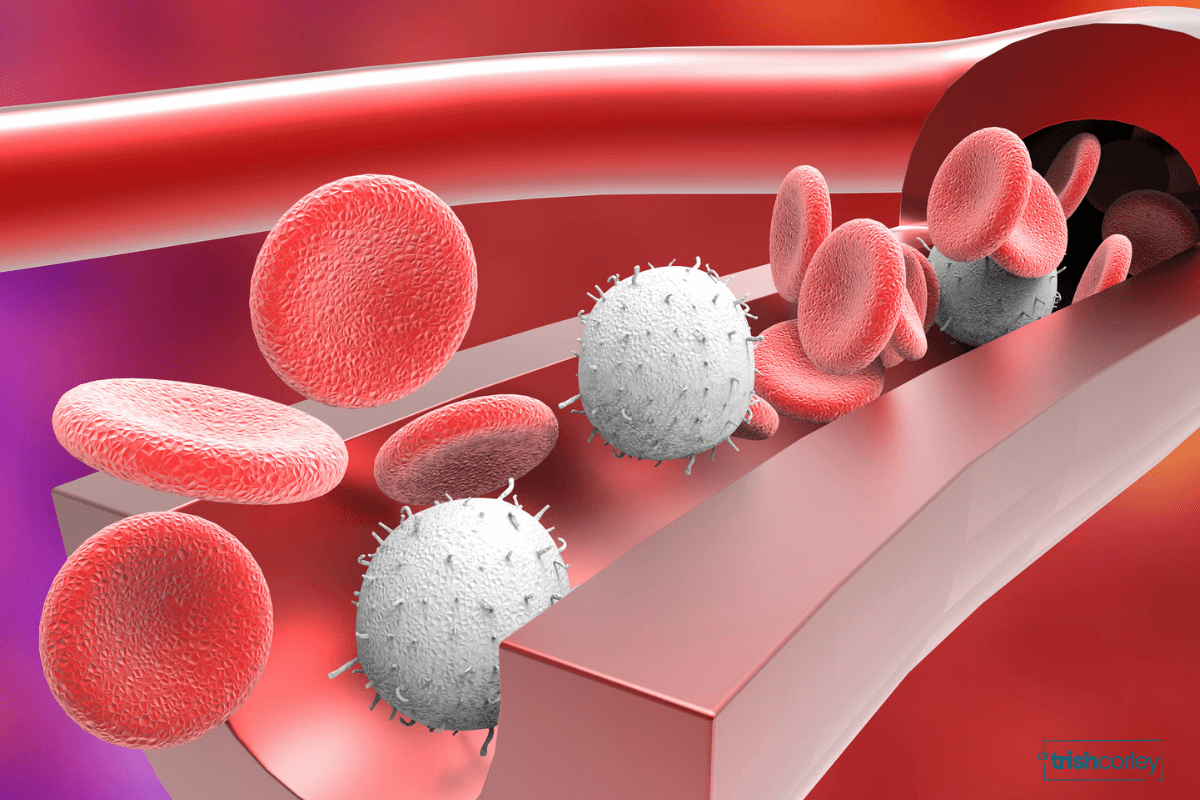
At the initiation of the inflammation phase, immune cells and nutrients rush to the scene to aid recovery.
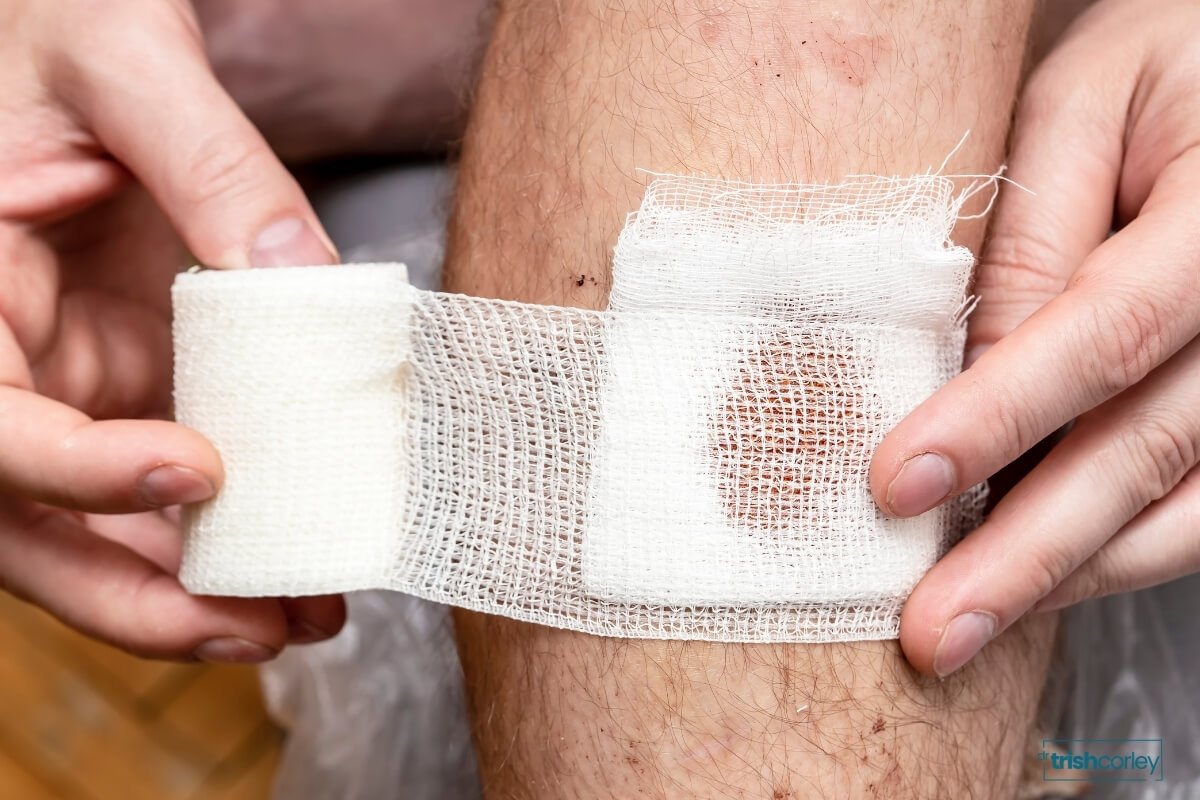
Imagine this: when you experience a bump or scrape, your body springs into action, summoning its own clean-up crew. This team, made up of immune cells, rushes to the scene, causing redness, swelling, warmth, and that familiar throbbing sensation. Your blood vessels dilate to ensure the immune cells can get to where they need to, like opening extra lanes for emergency vehicles. Some immune cells focus on fighting foreign bodies. If you scraped your knee on the sidewalk, immune cells make sure any dirt that got into the scrape gets engulfed and carried away.
The other key part of the inflammation phase is the laying down of collagen type 3 fibers. Think of this as your body's way of applying a collagen matrix "band-aid" that holds everything together while repairs are underway. Collagen 3 fibers are remarkable, but they won't hold up long term. Your body needs more time to build the stronger, longer-term collagen type 1 matrix. That comes in the third phase, remodeling.
It's important to remember that just because you can't see an injury, a scrape on the knee is easy to spot, injuries often happen to tissues inside the body too. The acute inflammation process works the same way. If a student tells you about an injury you can't see, it's still important to understand the phases of healing.
How Long the Inflammation Phase Last, and Why Loading Matters
The acute inflammation phase typically lasts a few days to a couple of weeks. The precise timeline is influenced by the type and severity of the injury, the individual's overall health, and their body's natural healing process. In some cases, acute inflammation resolves more quickly. In others, it persists longer.
The collagen 3 matrix is more like a band-aid. It's not a long-term solution, its support is minimal.
The amount of load and movement the injured area takes on during the acute inflammation phase makes a significant difference to long-term healing. Too much load, and the band-aid doesn't hold. Too little, and the body doesn't get the signal it needs to build up the collagen matrix.
Physical therapy exists because we've learned that complete rest is no good at any phase of the healing process. Overdoing it isn't good either. As yoga teachers, we want to guide our students safely and effectively, so their yoga practice supports their healing journey rather than hindering it.
We can help by understanding how much to encourage them to move and load the area, and how much to back off, during the acute inflammation phase.
The Bottom Line
The inflammation phase is protective, not something to rush a student past. Your role isn't to eliminate it. It's to help your student find the right amount of movement so the collagen 3 matrix can do its job without getting overwhelmed or under-stimulated.
Get Curious! Q&A
Is inflammation always a bad sign in a yoga student?
No. Acute inflammation right after an injury is a normal and important stage of healing. It becomes more of a concern if it turns chronic or persists well beyond the expected timeline for that tissue.
How do I know if a student is still in the inflammation phase?
You likely won't know for certain unless the student tells you when the injury happened. As a general guide, this phase tends to last a few days to a couple of weeks, though it varies by injury and individual.
Should I avoid all movement with a student in the inflammation phase?
No. Complete rest can slow healing just as much as overdoing it. The goal is finding an appropriate amount of gentle movement, not eliminating movement altogether.
Can I tell if a student has an injury I can't see?
Not always, and that's exactly why asking matters. An invisible injury follows the same inflammation process as a visible one, so the healing principles here still apply.
Go Deeper with the full system for supporting students through every phase of healing.
Understanding inflammation is one piece of a much bigger picture. In Teach Yoga to Students with Injuries, you'll learn the complete science of all three healing phases, how to translate that science into what you say and do in class, and a clear system for knowing when to refer a student to a healthcare professional.
Explore Teach Yoga to Students with Injuries →
References
Information on the acute inflammatory phase, including onset and duration, is consistent with Physiopedia's overview of soft tissue healing (physio-pedia.com/Soft_Tissue_Healing). The transition from type III to type I collagen during wound healing and remodeling is supported by a 2024 review in Experimental Dermatology on collagen and elastin fibers in cutaneous wound healing (Gardeazabal et al., 2024, DOI: 10.1111/exd.15052).
About the Author
Dr. Trish Corley is a Doctor of Physical Therapy (Physiotherapy) and yoga teacher trainer with over two decades of clinical experience. She helps yoga teachers learn anatomy, give clear cues, and create classes their students love. Based in Lisbon, Portugal, she leads the Enlightened Anatomy Course, the Elevate Your Impact Mentorship, and the Power to Lead 200-Hour YTT.