
A Yoga Teacher's Guide to Healing Injuries PART 2 of 4: Proliferation
Welcome back to the Yoga Teacher's Guide to Healing series. If you read Part 1, you already know this: if you teach people with injuries, and you can be ready to support them.
There are three significant phases of the healing process.
Proliferation Phase — the construction phase where the real building happens (This Article)
Remodeling Phase — the final phase, where tissue matures and organizes
This 4 part series of articles is created to get you acquainted with the science behind healing. By doing so, you can best serve your students and be part of their healing process. There is an article on each of the phases of healing (see above) and 4. Managing Students which shows you how to use the phases of healing to best support your students.
The yoga injury proliferation phase is the body's construction crew arriving at the site, and what your student's practice looks like during this window shapes how strong that construction turns out to be. Let’s explore further.
In This Article:
What fibroblasts are doing during the proliferation phase
Why collagen type I matters more here than collagen type III
What granulation tissue and angiogenesis actually are
How much movement helps this phase, and how much can set it back
Understanding the Proliferation Phase of Healing
Proliferation is like the body's construction team arriving at the healing site after the initial emergency response of inflammation. This is where the real building begins.
Fibroblasts are the body's skilled builders. These cells respond to signals from the surrounding tissue and adjust their activity based on what that tissue needs at any given moment. Fibroblasts produce collagen, particularly collagen type I, which forms the foundation of new tissue, and they participate in tissue repair and remodeling.
Recall from Part 1 that the inflammation phase lays down collagen type III, a temporary matrix that provides some initial structure but isn't built for the long haul. In the proliferation phase, fibroblasts get to work building a matrix of collagen type I instead. Type 1 is tronger, more stable, more resilient than type III. This collagen matrix is what allows the tissue to eventually regain its strength and functionality for the long term. The shift from collagen type III to collagen type I is an essential step toward full recovery.
Granulation Tissue and Angiogenesis
Granulation tissue, made up of blood vessels and collagen fibers, forms during this phase and has a characteristic pinkish appearance. Its job is to bridge the gap between the inflammation phase, where damaged tissue gets cleared, and the remodeling phase, where tissue matures and organizes. Think of it as the bricks and mortar of the body's restoration project.
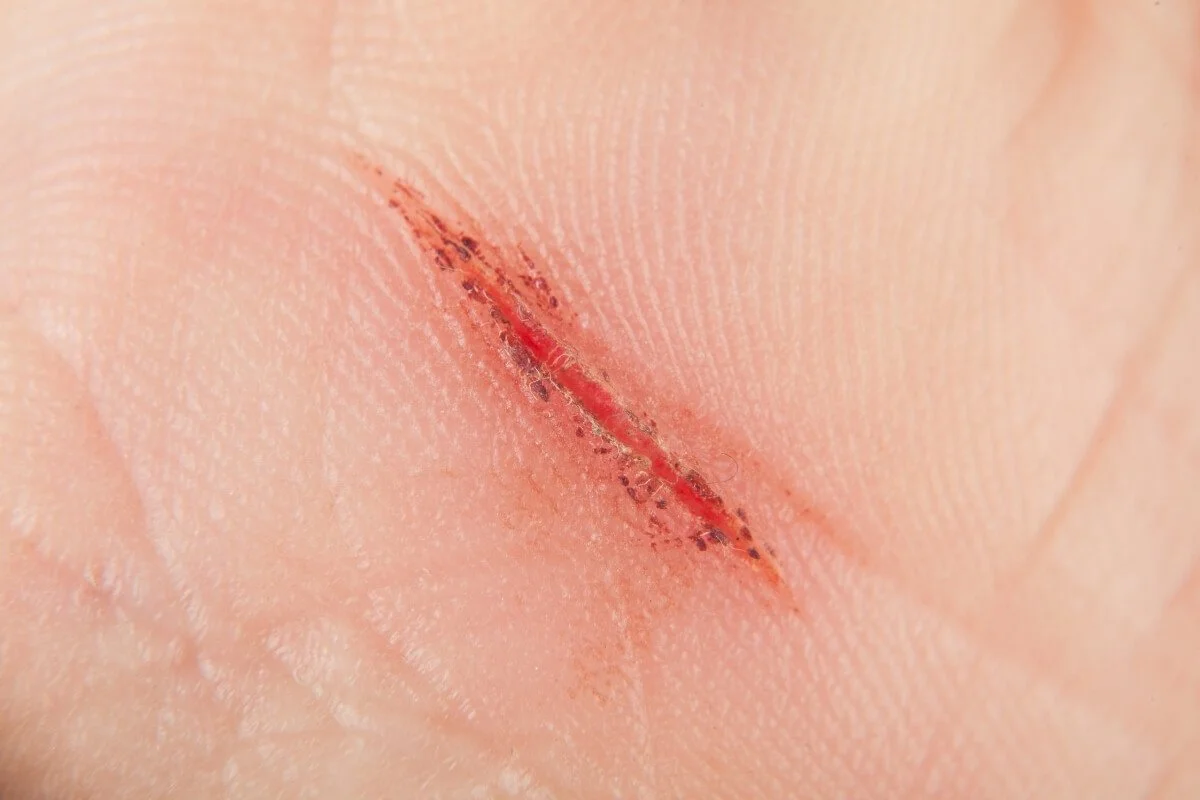
Angiogenesis is the formation of tiny new blood vessels called capillaries, nature's way of building new highways. The body generates this fresh vasculature so nutrients and oxygen can reach the healing site. It's a supply network under construction, making sure the healing process has what it needs to keep moving. This increased blood flow supports tissue regeneration and helps form a resilient foundation for full recovery.
Wound Contraction and Early Scar Formation
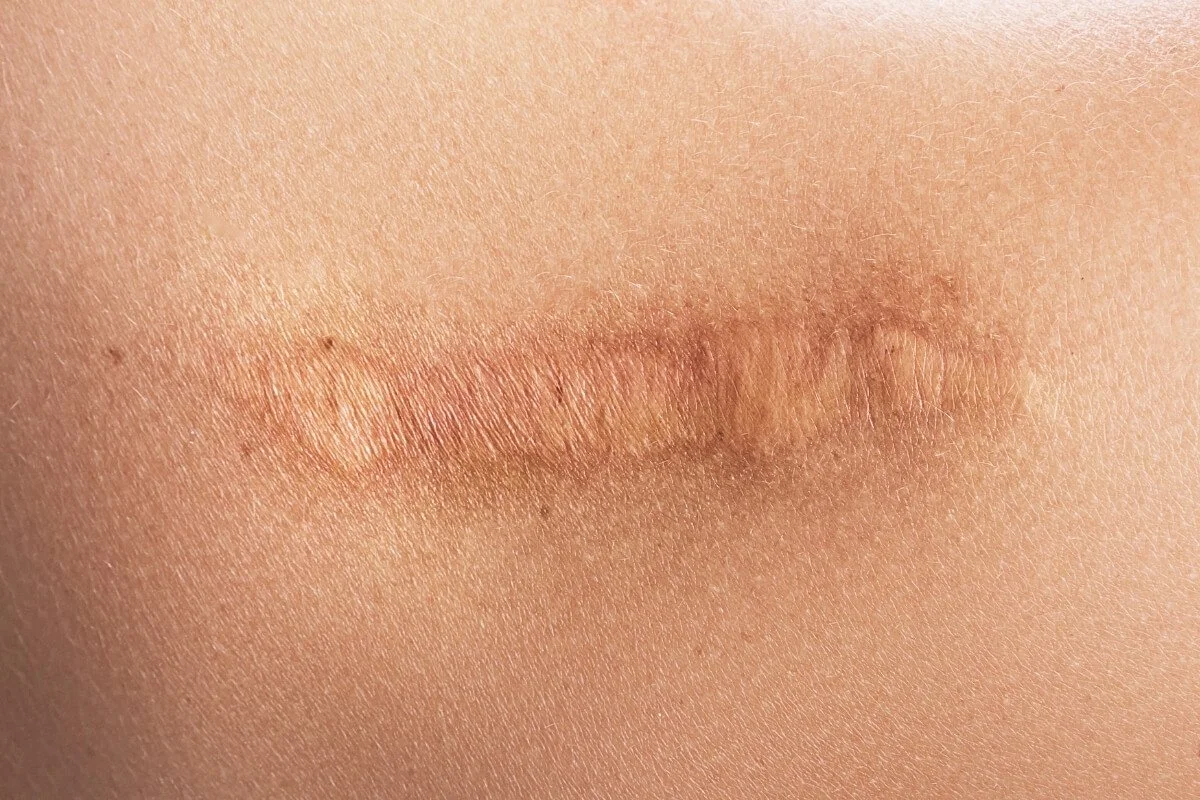
During proliferation, cells divide and reproduce, which drives new tissue development. Fibroblasts pull the edges of an injury closer together in a process called wound contraction, reducing its size and preparing it for closure. Scar tissue begins forming here too, though it continues evolving through the remodeling phase, gradually maturing and becoming less prominent over time.
How Much Movement Helps, and How Much Hurts
The body heals so it can do what it wants to do. To respond to movement and pressure again, movement and pressure are part of what facilitates the proliferation phase. That's genuinely good news. It means a mindful movement practice like yoga asana can support healing rather than get in its way.
Here's the nuance: too much movement or pressure can disrupt this phase. The collagen matrix at this stage is still developing its strength, more scaffolding than finished structure. Scaffolding can support the workers, though it isn't built to withstand a storm. Too much load on it may cause a breakdown of the collagen matrix that's forming, sending the tissue back to the inflammation phase.
The Bottom Line
The proliferation phase is where movement becomes part of the medicine, not the risk, as long as it's dosed appropriately. Too little movement and the tissue doesn't get the signal to build strength. Too much and the fragile new matrix can break down. Your role is helping students find that middle path.
Get Curious! Q&A
How do I know if a student has moved into the proliferation phase?
You likely won't know the exact timeline unless a healthcare provider has told the student directly. As a general guide, this phase tends to follow the initial inflammation window and can last several weeks, though it varies by injury and individual.
Is scar tissue a bad thing?
No. Scar tissue is a normal part of healing that begins forming during proliferation and continues to mature during remodeling. It becomes a bigger consideration when it limits mobility or function long-term, which is a conversation for a healthcare provider, not something to diagnose in class.
Can yoga asana actually help someone heal during this phase?
Yes, movement and pressure are part of what the tissue needs to build strength during proliferation. The key is appropriate dosage. Too little movement doesn't stimulate the tissue, and too much can disrupt the fragile new matrix.
What happens if a student overdoes it during proliferation?
Excess load can break down the developing collagen matrix and set healing back to the inflammation phase. This is part of why understanding these phases matters so much for how you guide a student's practice.
Go Deeper with the full system for supporting students through every phase of healing
Understanding proliferation is the middle piece of the healing puzzle. In Teach Yoga to Students with Injuries, you'll get the complete science of all three phases, practical guidance for how much to encourage or hold back in each one, and a clear system for knowing when to refer a student to a healthcare professional.
Explore Teach Yoga to Students with Injuries →
References
Information on fibroblast activity, granulation tissue formation, and angiogenesis during the proliferation phase is supported by a comprehensive review in Physiological Reviews, "Wound Healing: A Cellular Perspective" (DOI: 10.1152/physrev.00067.2017). Timeline and phase sequencing is consistent with Physiopedia's overview of soft tissue healing.
About the Author
Dr. Trish Corley is a Doctor of Physical Therapy (Physiotherapy) and yoga teacher trainer with over two decades of clinical experience. She helps yoga teachers learn anatomy, give clear cues, and create classes their students love. Based in Lisbon, Portugal, she leads the Enlightened Anatomy Course, the Elevate Your Impact Mentorship, and the Power to Lead 200-Hour YTT.