
A Yoga Teacher's Guide to Healing Injuries PART 3 of 4: Remodeling
Welcome back to the Yoga Teacher's Guide to Healing series. If you've followed along from Part 1, you know the drill: you teach people with injuries, and that's an opportunity to make a real difference in their healing.
There are three significant phases of the healing process.
Proliferation Phase — the construction phase where the real building happens
Remodeling Phase — the final phase, where tissue matures and organizes (This Article)
This 4 part series of articles is created to get you acquainted with the science behind healing. By doing so, you can best serve your students and be part of their healing process. There is an article on each of the phases of healing (see above) and 4. Managing Students which shows you how to use the phases of healing to best support your students.
The remodeling phase is also the phase where well-meaning teachers often hold students back by mistake. Keep reading to find out why.

In This Article:
What's actually happening in the tissue during remodeling
Why the collagen transition from Part 2 isn't the end of the story
Why re-injury risk is highest here, and why that's not a reason to stay gentle
How much challenge a student's practice needs during this phase
Understanding the Remodeling Phase
The remodeling phase is about tissue maturation and organization. Think of it as the moment the construction project is complete and the building stands tall, strong, and fully functional. Mature, organized tissue is what allows a student to return to full activity, yoga, running, daily life, or any other physical pursuit.
Recall from Part 2 that the proliferation phase built a collagen type I matrix to replace the temporary collagen type III laid down during inflammation. That transition matters, but tissue healing doesn't stop there. During remodeling, that collagen matrix gets modified and reorganized. This process fine-tunes the tissue, making it more resilient and functional, the finishing touches on a well-built structure.
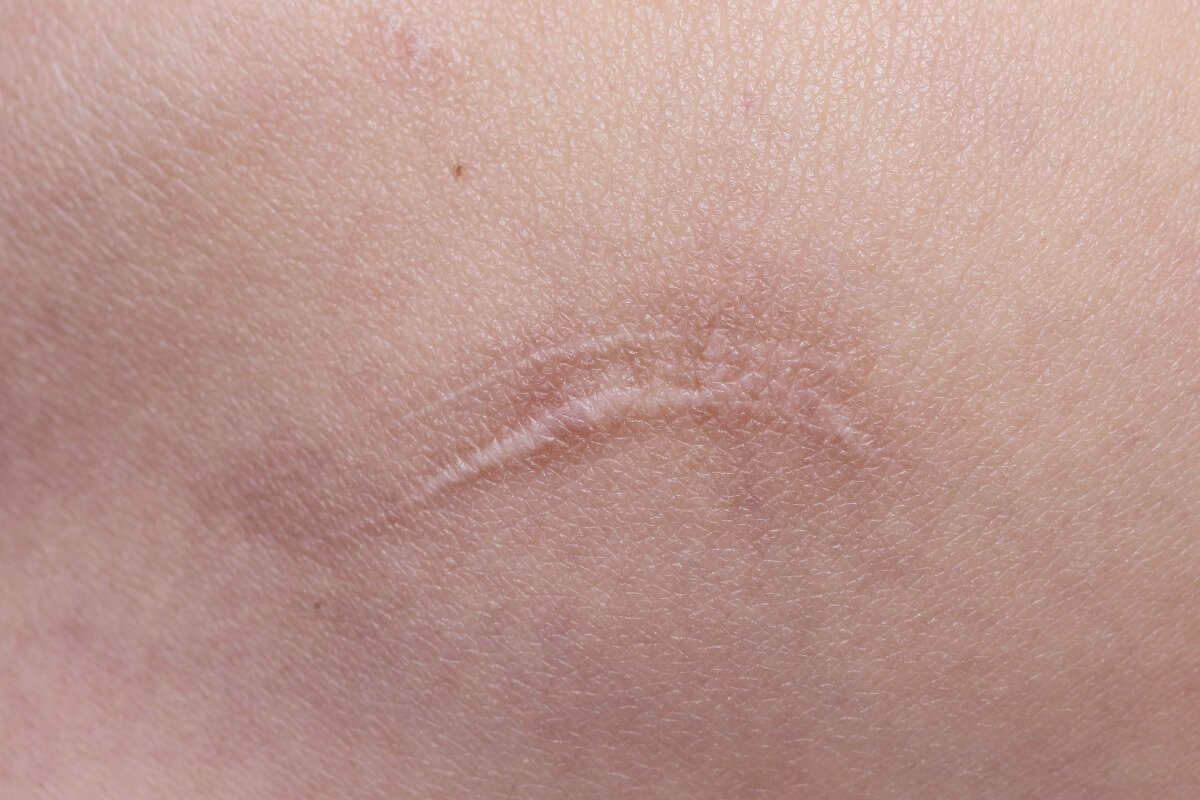
Scar tissue, which began forming during proliferation, continues evolving here too. Over time it becomes less prominent and more refined. This happens on the surface of the skin, where it's easy to see, and it happens internally as well. A torn ligament, a strained muscle, a healed fracture, all of it goes through the same three phases, even when you can't see it happening.
Why Tissue Needs to Be Challenged Here
During the remodeling phase, tissue adapts to the mechanical stress placed on it. Whether that's everyday movement or a specific physical activity, the tissue refines itself to withstand real demands. Movement and pressure aren't optional here, they're essential. Complete rest can actually work against the tissue at this stage.
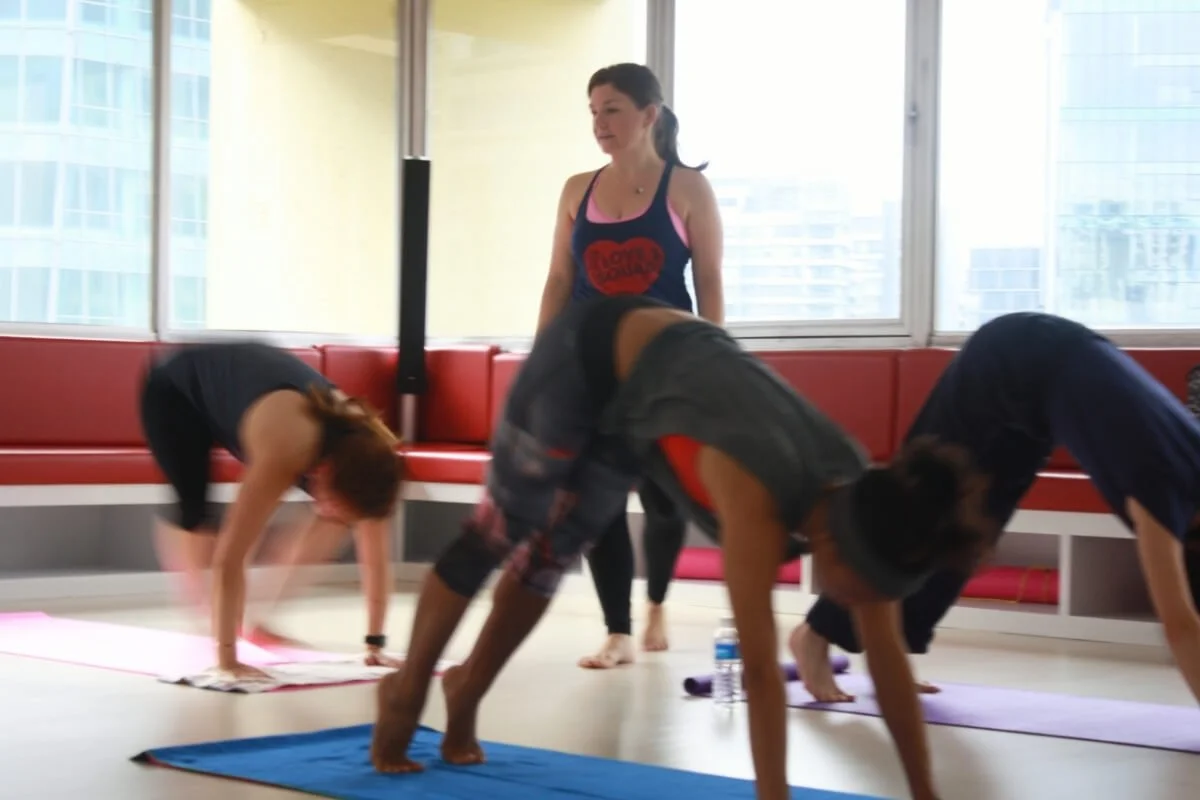
This is where a common, well-intentioned mistake happens. It's common for yoga teachers to worry about re-injury and default to "keeping it easy" or overly gentle. Restorative and gentle yoga absolutely have a place in a student's healing path, but they can't replace the physical challenge the tissue needs during remodeling. If the construction isn't allowed to finish, the site can break down, sending a student back to square one, the inflammation phase.
The Bottom Line
The remodeling phase is where the healing tissue gets tested and reinforced so it can hold up to real life. Your job isn't to protect students from all challenge here, it's to help them find the appropriate amount of it. Too little, and the tissue never becomes strong enough to do what it needs to do.
Get Curious! Q&A
How long does the remodeling phase last?
It varies significantly by tissue type and injury severity, ranging anywhere from several weeks to many months. This is one of the reasons individualized guidance from a healthcare provider matters alongside what happens in your yoga class.
Is gentle yoga safer for someone recovering from an injury?
Not necessarily, and this is one of the biggest misconceptions in the remodeling phase. The tissue needs appropriate mechanical challenge to reorganize and strengthen. Staying too gentle for too long can leave tissue under-prepared for real-world demands.
How do I know if a student is pushing too hard during this phase?
Watch for pain that increases during or after practice, rather than easing with gentle movement. That's a signal worth checking in on, and potentially a cue to refer back to their healthcare provider.
Can a student get reinjured during the remodeling phase?
Yes, this is actually when re-injury risk is highest, since the tissue is stronger than it was but still not at full capacity. That's a reason for thoughtful progression, not a reason to avoid challenge altogether.
Go Deeper with the full system for supporting students through every phase of healing.
Understanding remodeling completes the picture of what happens inside the body after an injury. In Teach Yoga to Students with Injuries, you'll get the complete science of all three healing phases, a clear framework for how much to challenge a student at each stage, and guidance on when to bring in a healthcare provider.
Explore Teach Yoga to Students with Injuries →
References
Information on tissue adaptation to mechanical loading during the remodeling phase is supported by a review in Physiological Reviews, "Role of Extracellular Matrix in Adaptation of Tendon and Skeletal Muscle to Mechanical Loading" (DOI: 10.1152/physrev.00031.2003). Phase sequencing and timeline are consistent with Physiopedia's overview of soft tissue healing.
About the Author
Dr. Trish Corley is a Doctor of Physical Therapy (Physiotherapy) and yoga teacher trainer with over two decades of clinical experience. She helps yoga teachers learn anatomy, give clear cues, and create classes their students love. Based in Lisbon, Portugal, she leads the Enlightened Anatomy Course, the Elevate Your Impact Mentorship, and the Power to Lead 200-Hour YTT.