
What Yoga Teachers Should Not Do (And What to Do Instead)
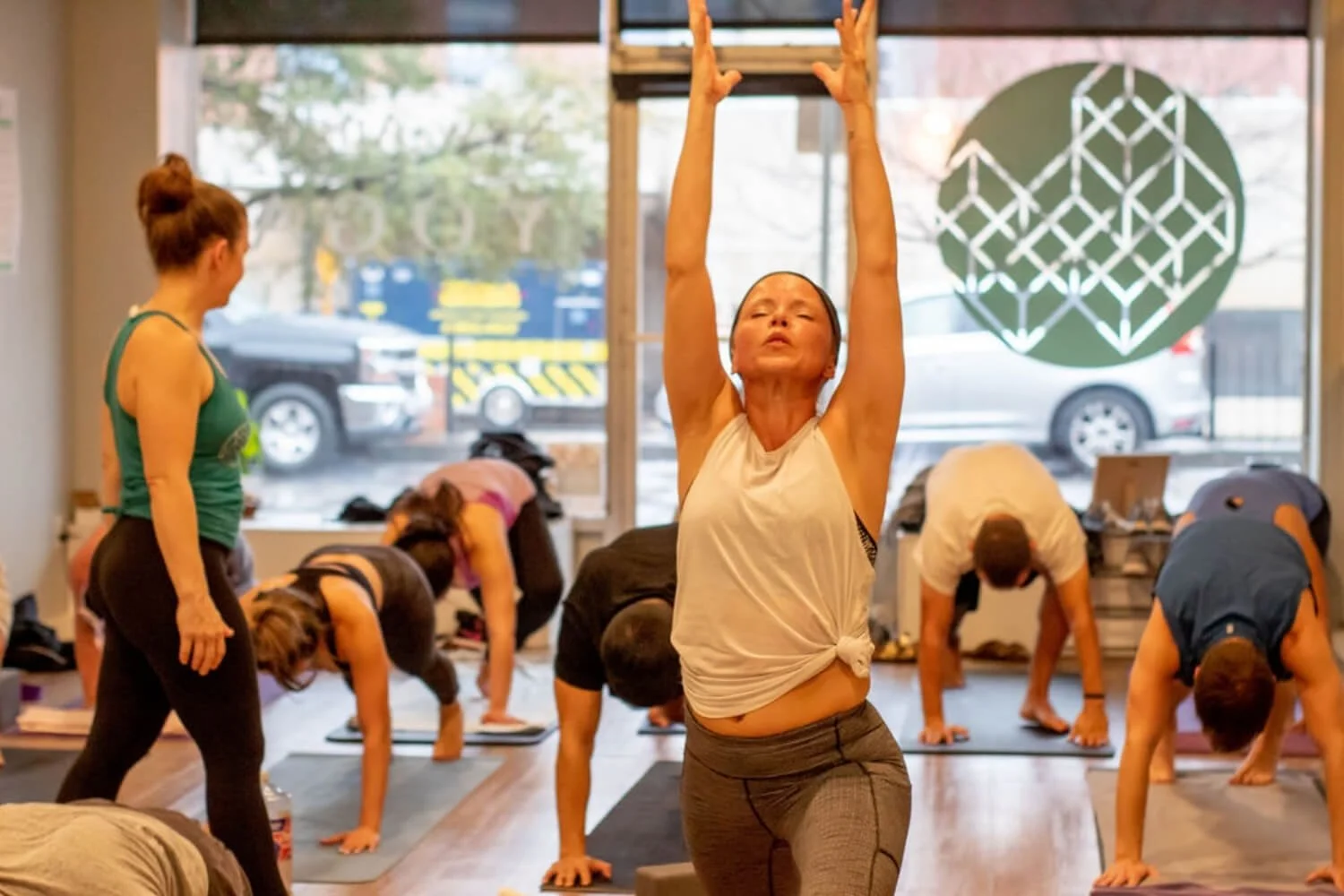
There I was in Warrior 2, back row, next to the window overlooking the parking lot. Drishti on my fingers. The teacher walked in front of me holding a cup of tea, strolled up to the window, took a sip, and proceeded to teach while gazing outside.
I kept my gaze on my fingertips and thought, Why did I travel to this studio and pay for this class?
That moment stuck with me. Not because the teacher was bad at sequencing or got the anatomy wrong. But because I felt invisible!
The biggest yoga teacher mistakes aren't usually about anatomy or sequencing. They're about breaking connection with your students. Small things like avoiding eye contact, running over time, or leaving the room without explanation make students feel unseen and undervalued. These are often the real reasons students don't come back.
As a Doctor of Physical Therapy and yoga teacher trainer with over 20 years of experience, I've made my share of mistakes. But some of my biggest lessons came from being a student. I’ve taken hundreds of yoga classes across more than 40 cities globally and have noticed what actually breaks the teacher-student relationship.
Understanding these common mistakes transforms how you show up for your students.
In This Article:
What I learned from hundreds of yoga classes worldwide and some real life examples….
3 yoga teacher mistakes that break student connection
Mistake 1: Teaching to the window
Mistake 2: Running over time
Mistake 3: Disappearing without a word
What these mistakes have in common
How to build stronger connection in your classes
What I Learned From Hundreds of Yoga Classes Worldwide
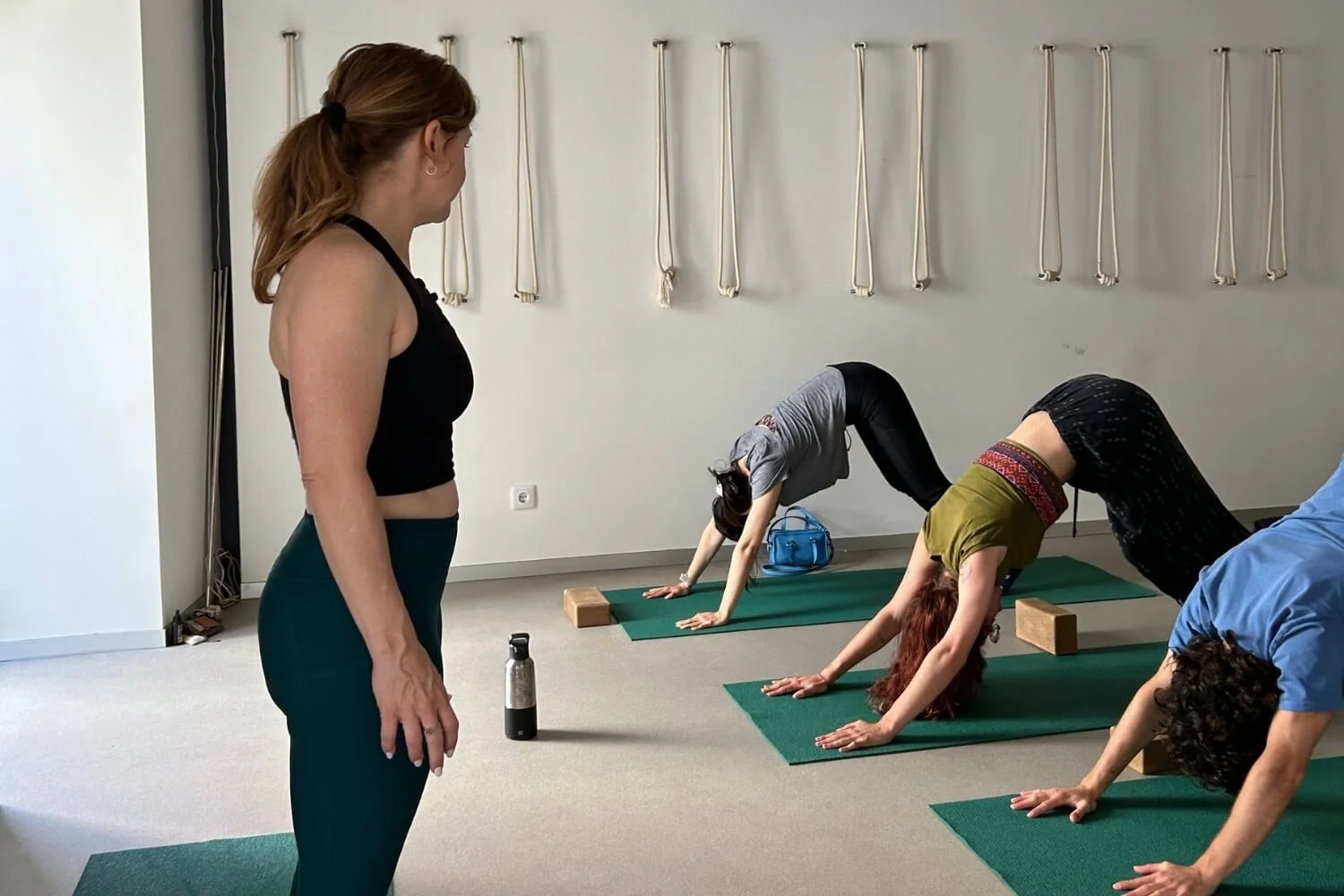
Over the years, I've traveled to more than 40 cities in the US and several other countries. I love to experience yoga around the world. While I aim to just practice and experience something new, the reality of my yoga teacher mentor mind can present itself!
If you're a yoga teacher, you might relate to the experience of going to a studio to practice and then noticing all the things you make an effort not to do when you teach.
I love learning from other teachers. But sometimes, honestly, I learn what not to do.
When something doesn't work in a class I'm taking, I always ask myself: Is this just different from my preference, or does it genuinely not work?
With so many styles of yoga and ways to teach, most of what doesn't work for me probably works for someone else. But after all those classes, I noticed some things that weren't just preference issues. They were moments where the teacher-student connection broke down completely.
I’ll share 3 that really stand out!
3 Yoga Teacher Mistakes That Break Student Connection
Mistake 1: Teaching to the Window
Seriously, there I was in Warrior 2, back row, next to the window overlooking the parking lot. Drishti on my fingers. The teacher walked in front of me holding a cup of tea, strolled up to the window, took a sip, and proceeded to teach while gazing outside.
I don’t know how long it was, but it felt like several minutes.
I kept my gaze on my fingers and thought, Why did I travel to this studio and pay for this class?
My preference is to look at students and teach based on what I see happening in the room. I know some teachers work from a script, and though that’s not my preference, it could work. But when she spoke to the window, nothing she said felt relevant to me. I felt invisible.
A more empowering approach: When you look at your students, they know you're teaching them. You’re not just delivering a sequence. You are actually making a difference for them in their practice. Scan the room. Look at people. Welcome eye contact and smile! That's where connection lives.
Mistake 2: Running Over Time
This one seems obvious, but it happens frequently.
Students arrive expecting class to start and end at the scheduled time. They've planned their day around it. Disregarding that plan creates unnecessary stress.
Here's my experience: I rose from Savasana feeling relaxed and ready for my afternoon. I had an 11:15 appointment about 15 minutes away, and class was scheduled to end at 10:45. Plenty of time.
Then I glanced at my watch after we said Namaste.
It was 11:05.
That relaxed feeling? Gone. Replaced by the stress of rushing, calculating traffic, and wondering if I'd be late for my appointment.
A more empowering approach: It’s obvious! End on time! And I get it, sometimes that’s a lot easier to say than do. One thing that's always served me well is to teach from one core sequence that I know deeply and can adapt to anything. This includes adapting to the clock!
When you're not mentally juggling a brand-new sequence every class, you have the bandwidth to notice the time and adjust on the fly. Ending on time becomes natural, not stressful.
This is the approach I teach in the Sequencing pillar of my Elevate mentorship — one adaptable sequence instead of reinventing the wheel every time you teach.
Mistake 3: Disappearing With the Flush of a Toilet
This one still makes me laugh, but it was genuinely awkward.
I was in supine twist, looking to my left where the teacher stood. She cued us to switch sides, so I turned my head to the right, facing the wall. I took a breath in and out.
Then... silence.
The instructions just stopped. It felt like she'd left the room. I peeked to my left. No teacher. Turned back to the right and focused on my breath.
That's when I heard the toilet flush.
The bathroom door opened, and she cued us to come out of supine twist as if nothing had happened.
Look, I get it. Sometimes nature calls and you have to go. But leaving without saying anything felt strange. And then not acknowledging it? Even stranger.
I actually found the toilet flush in the silence kind of funny. But the lack of acknowledgment made it weird.
A more empowering approach: If you need to step out, just say so. "Hold here for a few breaths, I'll be right back" takes two seconds and maintains trust. A simple acknowledgment goes a long way.
What These Mistakes Have in Common
None of these are about anatomy. None are about sequencing, cueing, alignment, or anything complex.
They're all about connection.
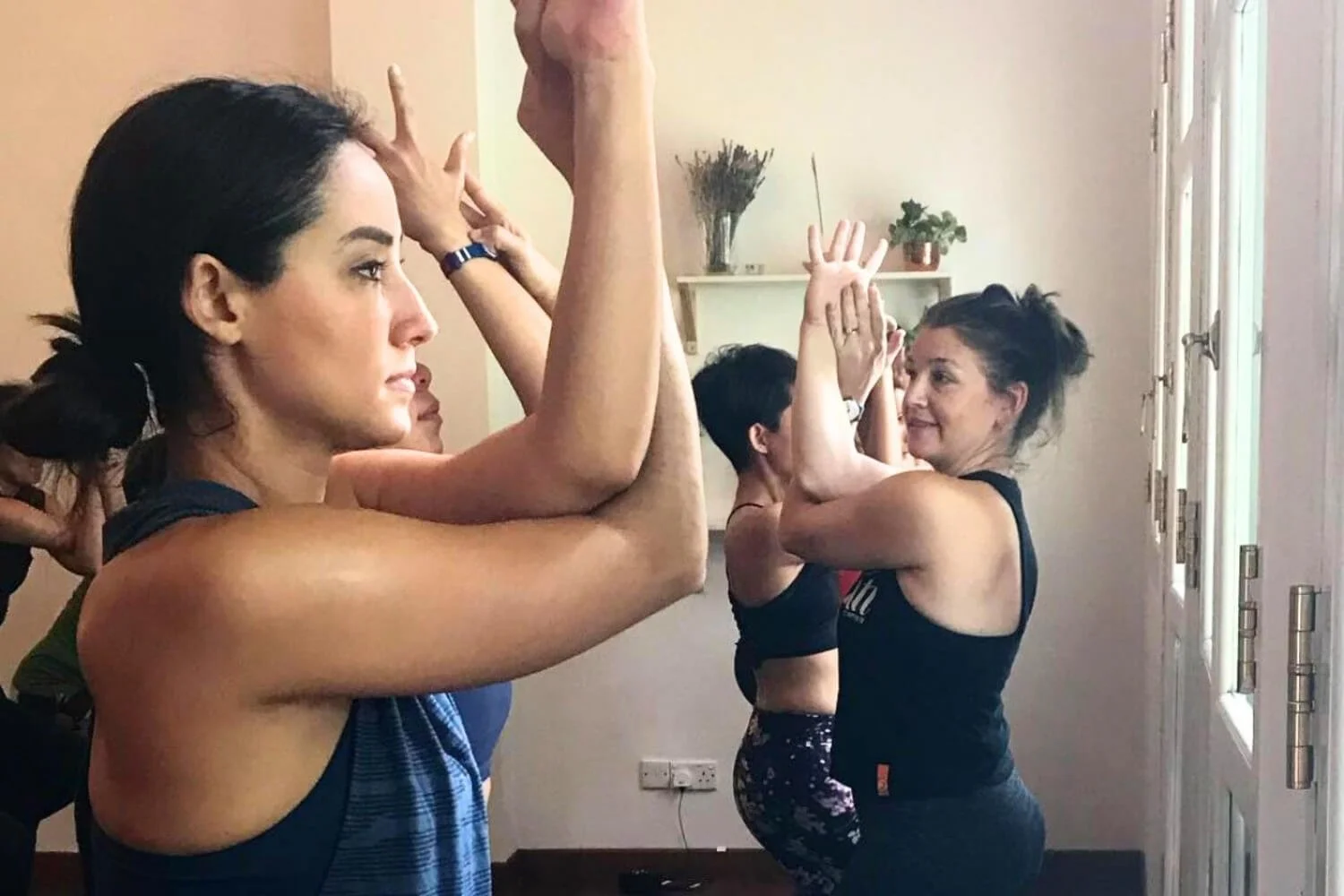
When a teacher looks out the window, students feel unseen. When class runs over, students feel like their time isn't valued. When a teacher disappears without a word, students feel confused and a little abandoned.
The best yoga teachers I've studied with do one thing consistently: they make you feel like you matter. Like they're teaching you, not just teaching a class. I wrote more about this in How to Connect with Yoga Students: 3 Practices That Create Presence.
Connection is the piece that most teacher trainings don't cover deeply enough. You learn the postures, history, and philosophy. If you’re lucky you learn some anatomy and sequencing. But the skills that actually bring students back? Those take intention and practice.
How to Build Stronger Connection in Your Classes
Here's the good news: once you're aware of these patterns, shifting them is simple.
Before class:
Arrive early enough to greet students
Know your sequence well enough that you're not buried in notes
During class:
Scan the room regularly…this means you cannot be on your mat practicing!!
Teach to the students in front of you, not the script in your head
Keep an eye on the clock or your watch.
If something unexpected happens:
Acknowledge it briefly and move on
Your students will appreciate the honesty
The deeper work of building student connection, finding your authentic teaching voice, and creating classes students genuinely want to return to? That takes more than a checklist. It takes mentorship and practice.
This is exactly what we work on in the Student Connection pillar of my Elevate mentorship program. Because confidence isn't just about knowing anatomy. It's about knowing how to hold space.
The Bottom Line
The yoga teacher mistakes that matter most aren't technical. They are relational. You can have perfect anatomy knowledge and flawless sequencing, but if students feel invisible, rushed, or confused, they won't come back. Master the connection, and the rest follows.
Get Curious! Q&A
What are the most common mistakes new yoga teachers make?
The most common mistakes new yoga teachers make involve losing connection with students. This includes focusing so much on what to say that they forget to actually see their students, running over time, not offering modifications, and using memorized cues without understanding why they work. Technical errors matter less than relational ones.
How do I know if I'm making mistakes as a yoga teacher?
Pay attention to student retention. If students aren't returning, something isn't landing. Ask for direct feedback. Notice your own state during class. If you feel anxious or rushed, your students likely feel it too. Recording yourself teaching (even just audio) can reveal patterns you miss in the moment.
What should a yoga teacher never do?
Honestly? I'm not big on telling other teachers what they should never do. We all have different styles, different students, different contexts.
That said, here's my personal filter: if something feels off to you, don't do it. Trust your instincts. And if you're unsure whether something serves your students or just makes you feel more comfortable, that's worth examining.
The through-line for me is always connection. If an action builds trust with your students, lean in. If it breaks trust, reconsider
How can I improve as a yoga teacher?
Take classes from other teachers and notice what works and what doesn't. Study anatomy so your cues come from understanding, not memorization. Start with How muscles actually work in yoga. Seek feedback and mentorship. Record yourself teaching. Most importantly, keep practicing! Your own embodied experience of yoga is your greatest teaching tool.
Build the Confidence That Keeps Students Coming Back
Student connection is one of the six pillars I teach in my Elevate Your Impact mentorship — along with sequencing, cueing, anatomy, authentic voice, and mindset.
Ready to become the go-to teacher in your community? Elevate gives you the systems and support to get there.
About the Author
Dr. Trish Corley is a Doctor of Physical Therapy (Physiotherapy) and yoga teacher trainer with over two decades of clinical experience. She helps yoga teachers learn anatomy, give clear cues, and create classes their students love. Based in Lisbon, Portugal, she leads the Enlightened Anatomy Course, the Elevate Your Impact Mentorship, and the Power to Lead 200-Hour YTT.