
Stop Saying "Engage Your Core" in Yoga (Why This Cue Doesn’t Work)
A friend of mine was working with a personal trainer. Every few exercises, he'd tell her to "engage your core."
She had no idea what that meant. So she just... didn't do anything.
Not because she was ignoring him. Because she genuinely didn't know what he was asking her body to do.
When she told me this, it clicked into place. In my years as a physical therapist, I worked one-on-one with so many different people, and I learned quickly that most people have a really poor understanding of how to move their own body parts. You can't just name a muscle and expect someone to activate it. You have to give them something concrete.
Here's another thing: most people don't even know what the core is.
When I lead anatomy workshops for yoga teacher trainings, one of my first questions is: "What is the core?" It's one of the hardest questions to answer. The room gets quiet. People fumble. They think they know, until they actually have to explain it.
So if yoga teachers can't easily define the core, how can we expect students to "engage" it on command?
That's the problem with this cue. It assumes understanding that isn't there.
“Engage your core” is not the only cue guilty of not working. "Protect your spine" has a similar issue, just with fear instead of confusion. I break that one down in “"Protect Your Spine.” Why This Common Yoga Cue Might Be Creating Fear.”
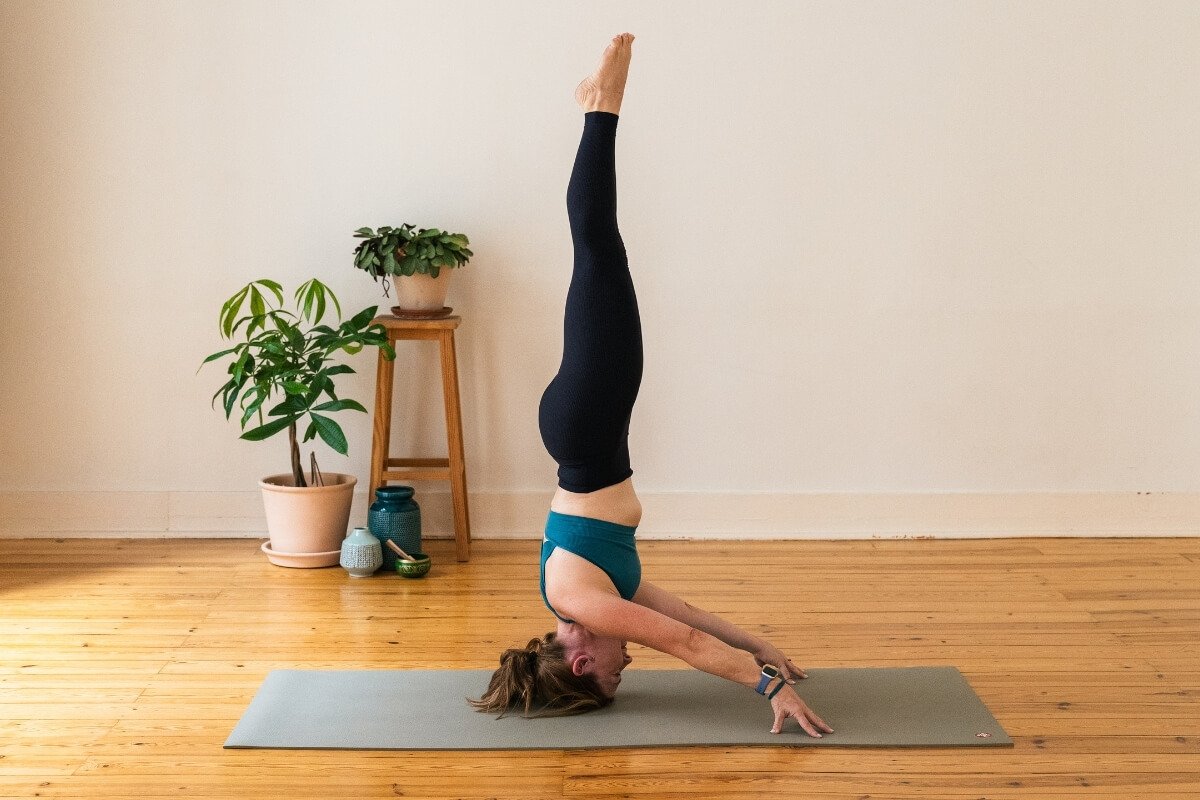
"Engage your core" is one of the most common cues in yoga, and one of the least effective. Most people either don't understand what it means, do nothing at all, or respond by sucking in their belly and holding tension. That's not core engagement. And it can actually disrupt breathing, increase pressure on the pelvic floor, and create the opposite of stability.
After years of working as a physical therapist and teaching yoga, I've found that alignment-based cues work far better than asking someone to activate a muscle they can't feel or locate. When the body finds a balanced position, the core muscles engage automatically, no vague instructions needed.
In this post, I'll break down why "engage your core" doesn't work, what can go wrong when people over-engage, and a different approach to cueing that actually helps.
In This Article:
Why "engage your core" simply doesn't work for most people
What the core actually is (and isn't)
What happens when you over-engage
A more empowering approach to cueing stability
Why "Engage Your Core" Simply Doesn't Work
The cue sounds simple enough. But it assumes two things that usually aren't true:
That the person knows what the core is
That they can consciously activate it on command
Here's the thing, there's no universally accepted definition of the core. Different teachers, trainers, and therapists describe it differently.
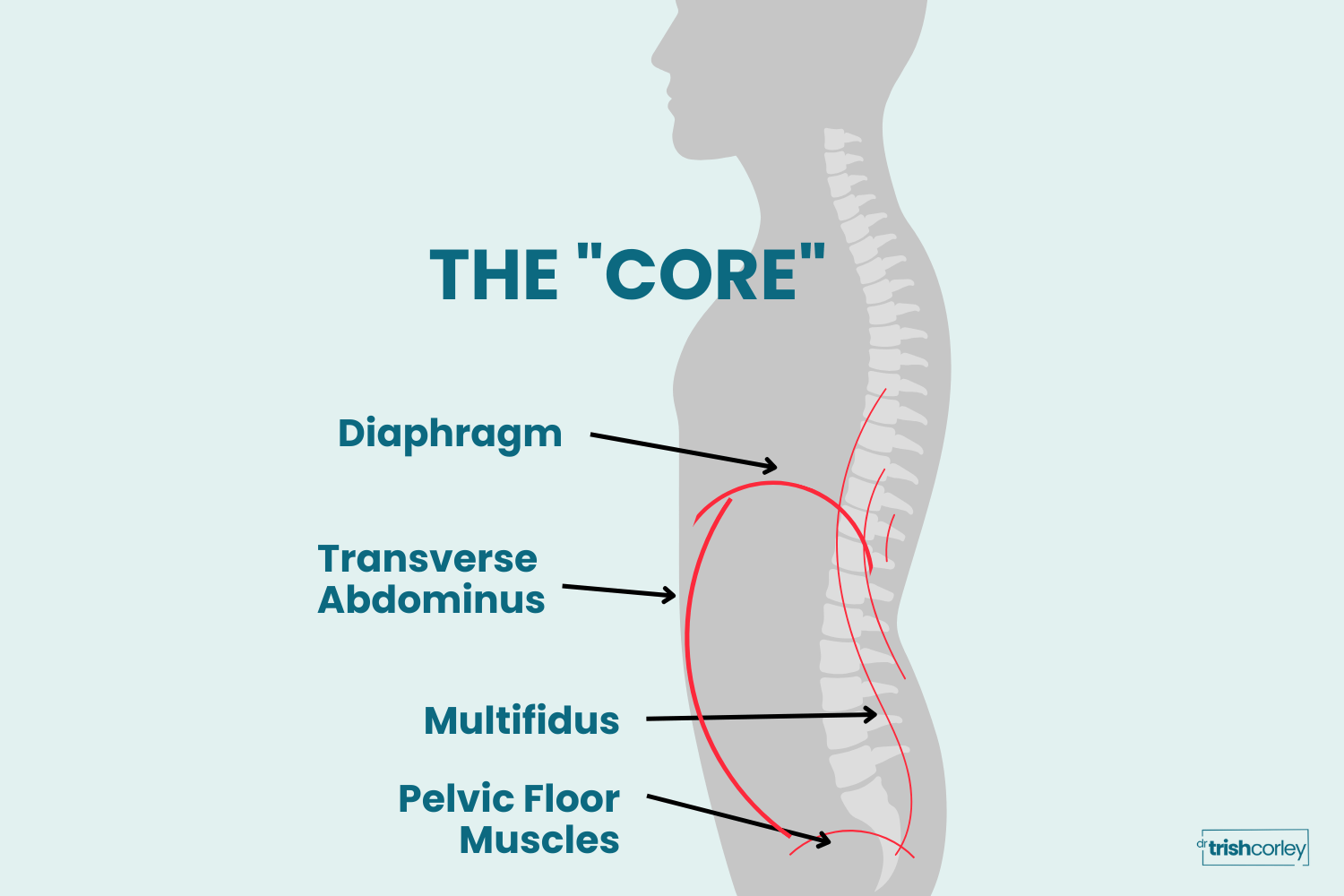
The way I look at it, the core is made up of four key muscles: the diaphragm at the top, the pelvic floor at the bottom, the transverse abdominis wrapping around the front and sides, and the multifidus running along the spine in the back. Together, they create a cylinder of support around your midsection.
Want to see this explained visually? Watch the video below.
But most people think "core" just means abs. Specifically, the muscles you'd see in a six-pack.
So when someone hears "engage your core" and doesn't have the full picture, they likely do the only thing that makes sense to them: they suck in their stomach.
That's not stability. That's tension.
What Happens When You Over-Engage the Core?
When people interpret "engage your core" as "suck your belly in," they tend to pull in hard and hold. This over-activation can create a chain of problems.
It disrupts your breathing. The diaphragm is part of the core. When you grip your abdominals, you limit how much the diaphragm can move. The breath gets shallow. The body gets tense.
It increases pressure on the pelvic floor. Constantly pulling the belly in creates downward pressure. Over time, this can contribute to pelvic floor issues like incontinence, pelvic pain, or discomfort.
It doesn't actually create stability. Gripping the outer abdominal muscles doesn't engage the deeper stabilizers. You might feel like you're working hard, but the spine isn't getting the support it needs.
The core is designed to respond to demand, to activate automatically when you need it. Over-engaging overrides that natural intelligence.
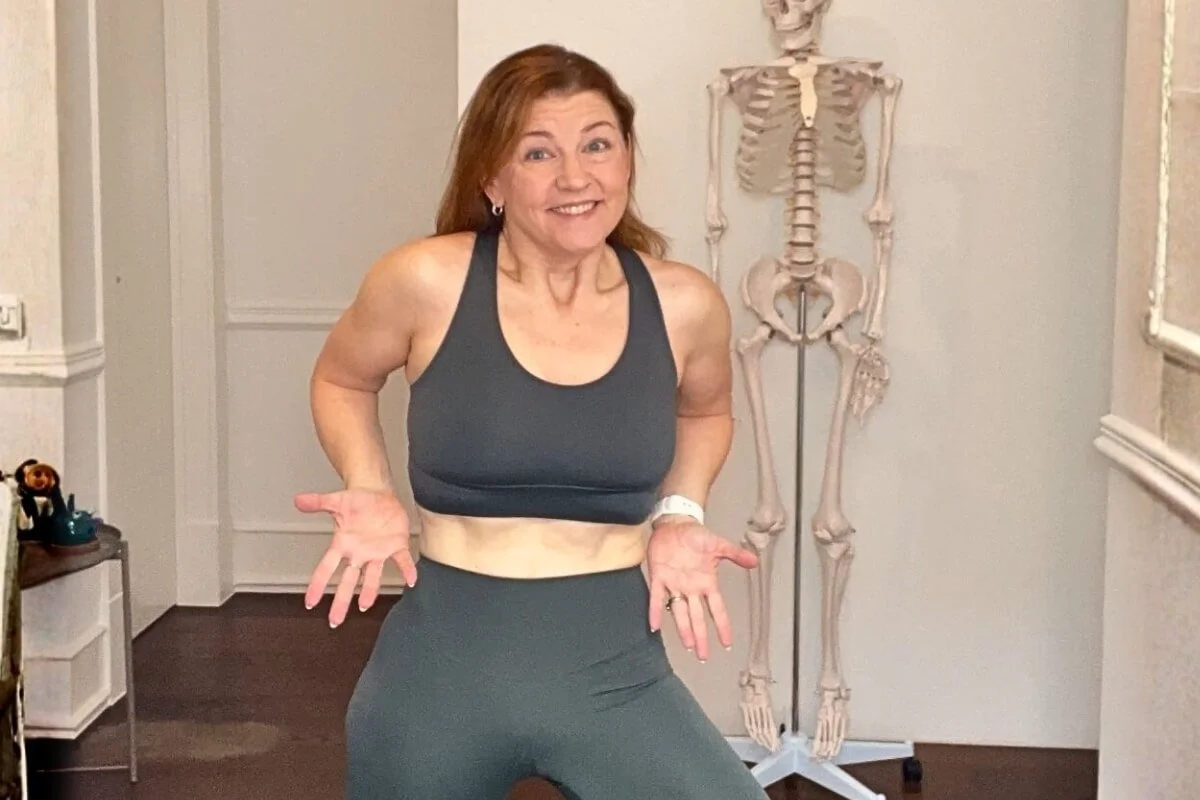
Here's the good news: you don't have to consciously "turn on" your core for it to work.
Your nervous system is constantly adjusting muscle activation based on what the body needs. When you move into a challenging yoga posture or work to find balance, the core responds. It stabilizes. It supports. It does its job.
The key isn't to force engagement. It's to create the conditions where engagement happens naturally.
That means focusing on alignment and positioning rather than muscle activation. When the body is in a balanced position, the right muscles fire on their own. You don't have to micromanage.
This is why alignment-based cues tend to work better than "engage your core." Instead of asking someone to contract a muscle they can't locate, you guide them into a position where stability happens automatically.
A More Empowering Approach
So if "engage your core" doesn't work, what does?
It starts with a shift in thinking. Instead of asking someone to activate a muscle they can't feel, you guide them into a position where stability happens naturally.
The body is smart. When alignment is balanced, the right muscles engage on their own. You don't have to micromanage.
This is the difference between giving a cue that confuses people and giving one that actually lands. One that they can feel, understand, and apply immediately.
The question isn't just what to say instead. It's learning how to build cues that work, every time, for every body in the room.
The Bottom Line
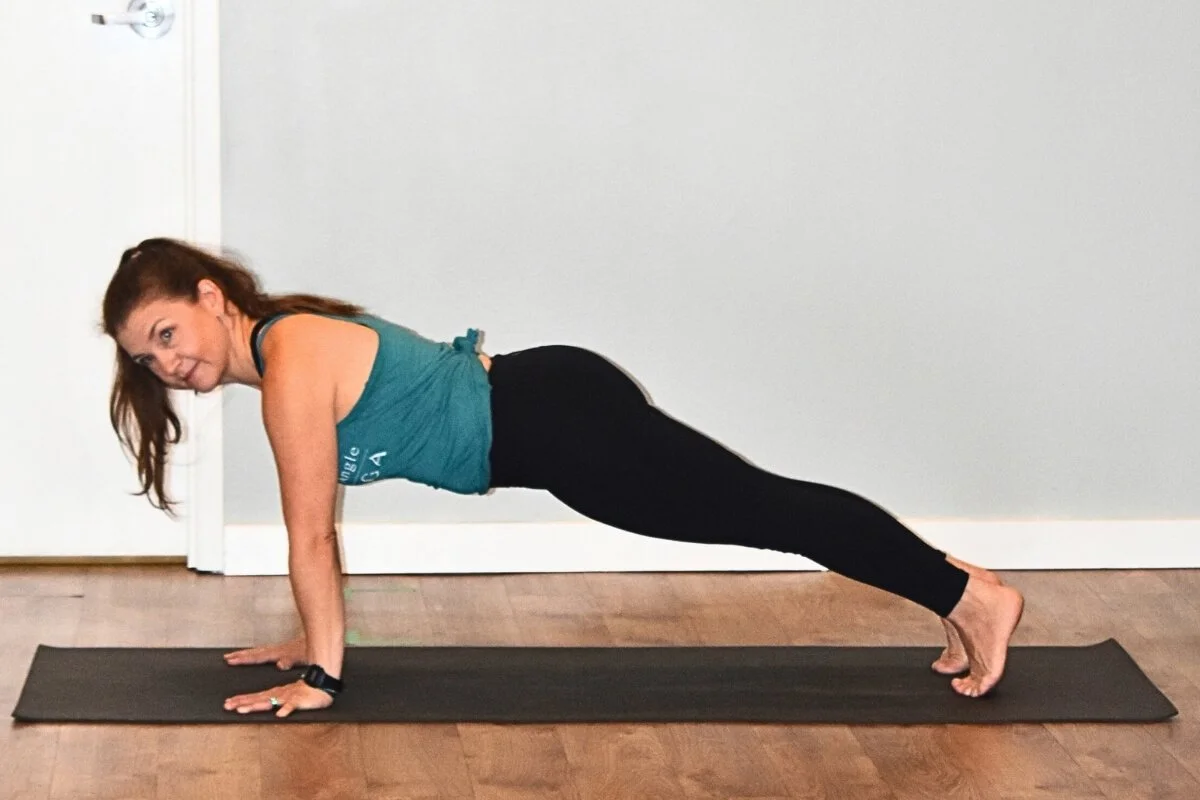
"Engage your core" sounds helpful, but it often creates confusion, tension, or nothing at all. Most people don't know what the core is, can't consciously activate it, and end up gripping their belly in a way that actually works against them.
The good news? Your core is smart. It's designed to activate when the body needs it. Instead of forcing engagement, focus on balanced alignment and let the muscles do what they already know how to do.
If you're a yoga teacher, this is an invitation to rethink how you cue stability. If you're a student, this is permission to stop sucking in and start trusting your body.
Get Curious! Q&A
Why doesn't "engage your core" work as a yoga cue?
Most people don't know what the core actually is or how to consciously activate it. Without that understanding, the cue doesn't translate into useful action. People either do nothing, or they suck in their belly, which creates tension rather than stability.
What happens when you over-engage your core in yoga?
Over-engaging can restrict your breathing, increase pressure on the pelvic floor, and prevent the deeper stabilizing muscles from doing their job. It often creates more tension than support.
Do core muscles activate automatically during yoga?
Yes. Your nervous system is constantly adjusting muscle activation based on what the body needs. When you move into a challenging posture or work to find balance, the core responds on its own. You don't have to consciously turn it on.
What muscles are actually part of the core?
There's no universally accepted definition, but I look at the core as four key muscles: the diaphragm at the top, the pelvic floor at the bottom, the transverse abdominis wrapping around the front and sides, and the multifidus running along the spine.
Is core strength important for yoga?
Core stability matters more than core strength. The goal isn't to have the strongest abs. It's to have a core that responds appropriately to the demands of movement, supporting the spine and creating a stable foundation.
Does the exhale create more core engagement than the inhale?
During an exhale, the diaphragm ascends and the abdominal muscles draw inward. The pelvic floor lifts in the same direction. That coordinated contraction is what actually creates core support — which is why breath cues matter as much as alignment cues. Here's a full breakdown of how breath cues work in yoga and why it changes how your students move.
Want to Cue with More Clarity?
If you've ever said "engage your core" and watched your students do... nothing... you're not alone. Most yoga teachers rely on cues they inherited without questioning whether they actually work.
Cue with Clarity is a focused training for yoga teachers that gives you a framework for building cues that actually land. You'll learn a repeatable system for creating clear, effective cues, so you're not guessing or hoping your words make sense. Just practical tools you can use in your very next class.
Learn More and about Cue with Clarity →
Want to start learn some anatomy informed cues you can use right away? My free guide, Cue with Confidence, shows you how anatomy-informed cueing builds trust with your students.
About the Author
Dr. Trish Corley is a Doctor of Physical Therapy (Physiotherapy) and yoga teacher trainer with over two decades of clinical experience. She helps yoga teachers learn anatomy, give clear cues, and create classes their students love. Based in Lisbon, Portugal, she leads the Enlightened Anatomy Course, the Elevate Your Impact Mentorship, and the Power to Lead 200-Hour YTT.