
5 Reasons Yoga Teachers Should Study the Spine and Ribs
There's a good chance you've taught a dozen classes this week without once thinking about your students' ribs.
And that's fair. The ribs aren't exactly the first thing that comes to mind when you're cueing warrior 2 or trying to help someone find their way into a backbend. But here's what I've come to understand after over two decades as both a Doctor of Physical Therapy and a yoga teacher: the spine and ribs are working together in every single posture, every single breath, every single class you teach.
Understanding the connection between the spine and ribs will make you a more effective, more confident yoga teacher.
IAMGE
In This Article:
Why the spine and ribs are more connected than most yoga teachers realize
How this connection affects breathing, back pain, and strength in yoga postures
Why understanding this anatomy builds your confidence as a teacher
How better anatomy knowledge leads to better outcomes for your students
The Spine and Ribs Are Always Working Together
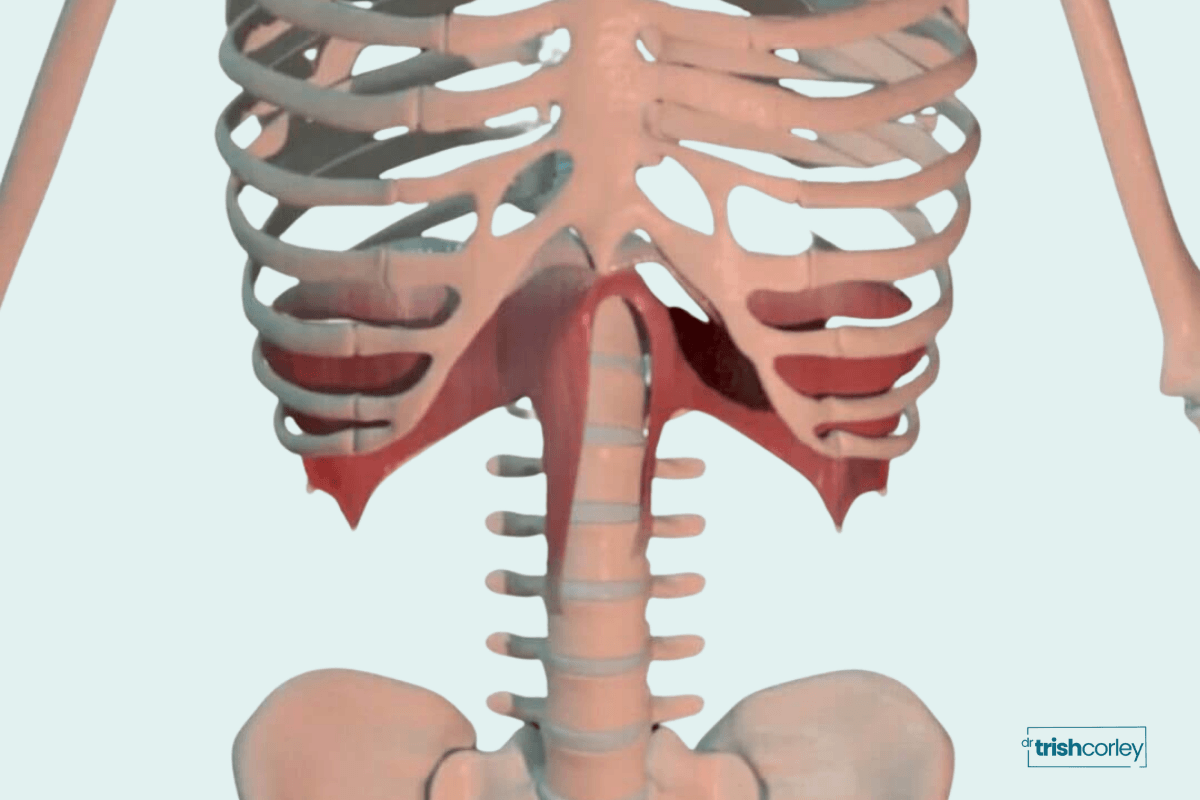
You have 12 pairs of ribs. Each one connects to the spine. When the spine moves, the ribs move. When you breathe, the ribs move. When the ribs move from breathing, the spine moves.
That connection is happening in every yoga posture, with every student, in every class you teach.
It seems that many yoga teachers worry that anatomy is too complex, or that they were never "science people." I hear this all the time. What I've also heard, from so many students over the years, is how much they value a teacher who understands the body. Not a teacher who lectures them on anatomy, but a teacher whose cues actually make sense in their body.
That starts with understanding the basics. And the spine-rib connection is a great place to begin.
Here are five reasons why.
1. It Directly Affects How Your Students Breathe
The diaphragm is the primary muscle for breathing. We cannot live without adequate function of the diaphragm. And the diaphragm connects to both the ribs and the spine.
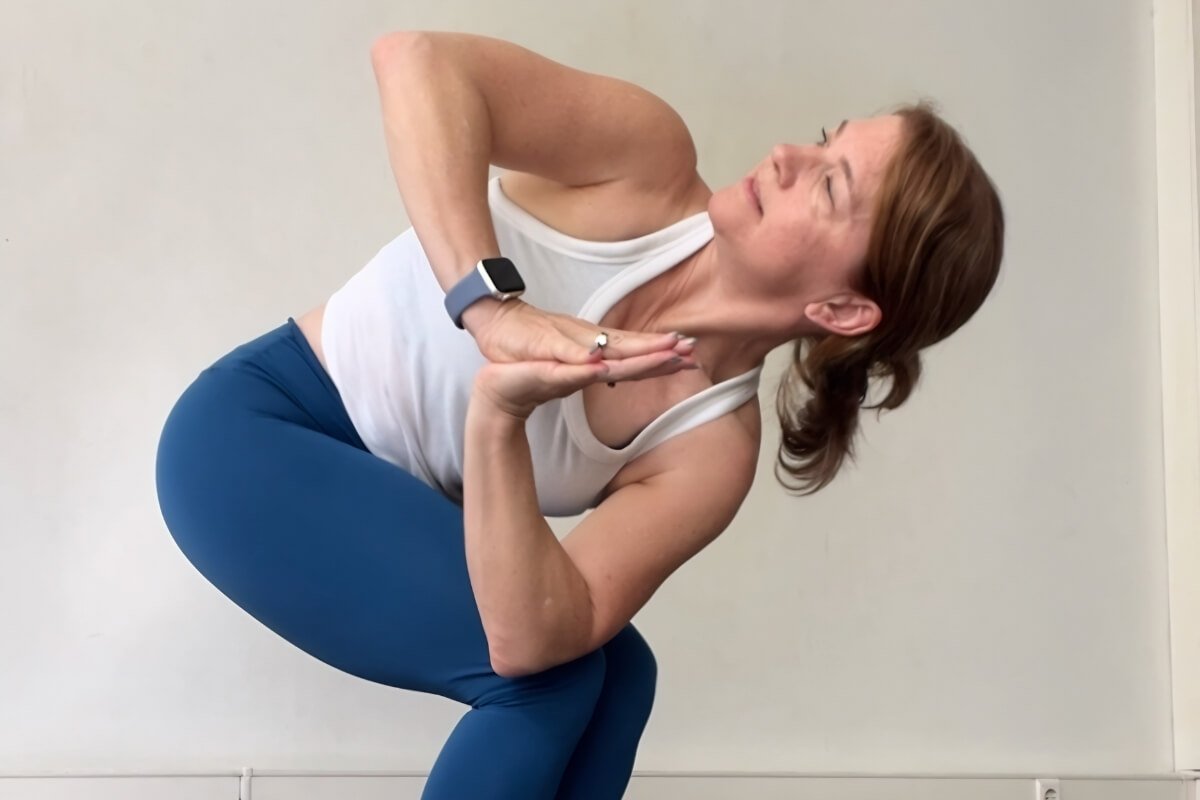
This means the alignment of the spine and ribs in a yoga posture will affect how well someone can breathe in that posture. Sometimes a student appears to be struggling with their breath and the positioning of their spine and ribs is a contributing factor. When you understand this connection, you can make alignment cues that help students access deeper, easier breaths. That's a meaningful shift, and your students will feel it.
If that were the only reason to study the spine and ribs, it would be enough. But there are four more.
2. It Can Help Reduce Back Pain
Because the ribs connect to the spine, their position influences spinal alignment. When the ribs flare open, it places increased strain on a specific area of the spine. Simple alignment changes that bring the ribs into a better position can distribute that strain more evenly across the whole spine
When the whole spine is contributing to movement rather than one area taking all the load, things tend to feel a lot better. Back pain is often the result of one area taking all the force or being the site of all the mobility. Pain-free movement, including backbending yoga postures, is possible even for students who have lived with chronic back pain.
Understanding the spine and ribs gives you tools to help students move with less pain. That matters.
3. It Unlocks More Strength and Mobility
With better-aligned spine and ribs, the entire spine can contribute to creating movement. The result is more available range of motion throughout the whole body.
The abdominal muscles attach to the ribs, and they are often the key muscles involved in bringing the ribs into better alignment. When the abdominals engage, they tend to build strength as well. So when you help students find better alignment of the spine and ribs in yoga postures, you are often also helping them build more core strength and access more mobility at the same time.
I have seen simple alignment changes give students access to postures they never thought were available to them. That is one of the most satisfying things to witness as a teacher.
4. It Builds Your Confidence as a Teacher
When you understand the anatomy and teach from it, your students experience the results described above. Deeper breath. Less pain. More strength and mobility.
When you know what you're talking about and your students feel better because of it, confidence follows naturally. So many yoga teachers I've worked with want to share the benefits of yoga but find themselves holding back because they don't feel credible enough. Understanding anatomy, even the basics, changes that. You stop guessing and start teaching with intention.
5. It Improves the Health of Your Students
This is the reason that matters most to me.
Confident, anatomy-informed teaching creates a positive cycle. Your students get stronger, more mobile, and healthier. Your confidence grows. You teach more and you teach better. More people experience the real benefits of yoga.
As a Doctor of Physical Therapy, I chose to spend more of my time in the yoga space because I've seen what a well-taught yoga practice can do. I've seen it be more effective for chronic pain than traditional physical therapy. I've seen students access movement they had written off years ago. The world needs more yoga teachers who understand the body. That is why this work matters.
Are you on this mission with me?
The Bottom Line
The spine and ribs are connected in every posture and every breath your students take. When you understand how that connection works, you can cue more effectively, help students move with less pain, and build genuine confidence in your teaching. Anatomy does not have to be overwhelming. When it's broken into small, digestible pieces, it becomes one of the most useful tools you have as a teacher.
Get Curious! Q&A
Do yoga teachers really need to know anatomy?
You don't need to become an anatomy expert to be a great yoga teacher. But understanding how the body works, even the basics, makes your cues more effective and your teaching more grounded. Students feel the difference.
Is spine and rib anatomy complicated to learn?
It can feel that way at first. But when anatomy is broken into small, accessible lessons connected directly to yoga postures, it becomes much more manageable. Many teachers are surprised by how quickly it starts to click.
How does rib alignment affect breathing in yoga?
The diaphragm, the primary breathing muscle, attaches to both the ribs and the spine. When the ribs are well-aligned in a posture, the diaphragm can function more efficiently, which tends to support deeper, easier breathing.
Can understanding anatomy help students with back pain?
It may. When teachers understand how the ribs and spine work together, they can offer alignment cues that help distribute load more evenly across the spine rather than concentrating strain in one area. This is not a replacement for medical care, but it can make a meaningful difference in how students feel during practice.
What's a good starting point for yoga teachers who want to learn anatomy?
Start with the regions that show up most in your teaching: the spine, the hips, and the feet. Understanding how these areas work gives you a foundation that applies across almost every yoga posture.
Go Deeper with you understanding of anatomy.
Want to start applying anatomy to your cues right away? Download the free Cue with Confidence guide. You'll get three anatomy-informed foot cues that create more stability, balance, and grounding across yoga postures, plus a preview of the Balanced Posture Alignment framework I teach in the Enlightened Anatomy Course.
About the Author
Dr. Trish Corley is a Doctor of Physical Therapy (Physiotherapy) and yoga teacher trainer with over two decades of clinical experience. She helps yoga teachers learn anatomy, give clear cues, and create classes their students love. Based in Lisbon, Portugal, she leads the Enlightened Anatomy Course, the Elevate Your Impact Mentorship, and the Power to Lead 200-Hour YTT.