
What to Look for in a 200-Hour Yoga Teacher Training in Portugal
If you are researching a 200-hour yoga teacher training in Portugal, the choice ahead of you is bigger than picking a date. You are choosing the framework, the teacher, and the experience that will shape how you understand yoga for the rest of your life. The best 200-hour yoga teacher training in Portugal is one that prepares you to actually teach, teaches anatomy in a way that informs every cue you give, brings yoga philosophy into how you live your real life, and continues supporting you long after the program ends.
I am Dr. Trish Corley, a US-licensed Doctor of Physical Therapy (aka a Physiotherapist), former anatomy professor, and Yoga Alliance E-RYT 500. I have been teaching yoga for 15 years and leading 200-hour yoga teacher trainings for over a decade. I now run Power to Lead, the only 200-hour yoga teacher training in Portugal led by a Doctor of Physical Therapy.
The criteria below are what I would tell anyone considering a yoga teacher training in Portugal, whether they end up in my program or not.
Weighing other countries too? Start with Yoga Teacher Training Europe: Your Complete Guide.
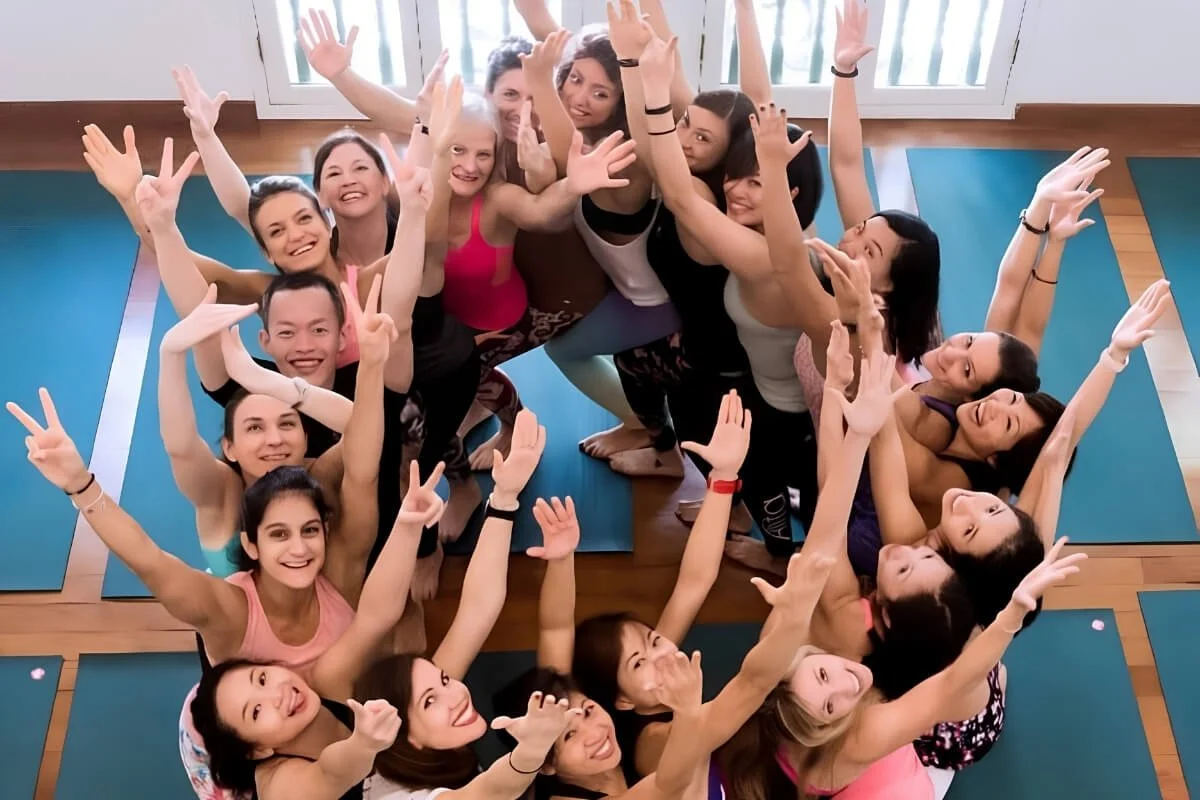
In This Article:
What to look for in any 200-hour yoga teacher training
Why Portugal is one of the best places in Europe to train
About Power to Lead, a 200-hour yoga teacher training in the Lisbon area
FAQs about yoga teacher training in Portugal
What to Look for in Any 200-Hour Yoga Teacher Training
1. Instructor credentials and depth of expertise
The lead trainer matters more than anything else about the program. Credentials get them in the door. They do not necessarily make them ready to lead a training.
Yoga Alliance's E-RYT 500 designation (Experienced Registered Yoga Teacher at the 500-hour level) requires both training hours and verified teaching experience. A trainer who has held E-RYT 500 for ten or more years has been through accountability cycles that newer trainers have not.
Here is what most people shopping for a yoga teacher training do not realize: Meeting the E-RYT 500 requirements is the minimum to launch your own Registered Yoga School. Some trainers hit that threshold and start their own 200-hour program almost immediately. Others spend years being mentored on how to lead a training before they take on the role.
The difference shows up in the room. Leading a 200-hour yoga teacher training is teaching, but it is also facilitation, group leadership, and holding space when someone is in the middle of real transformation. Those skills come from years of mentorship and feedback, not from passing an exam.
I spent two years being mentored in how to lead trainings before I ever led my own. That mentorship shaped me as much as my Doctor of Physical Therapy and anatomy professor background did.
2. Curriculum depth across all required areas
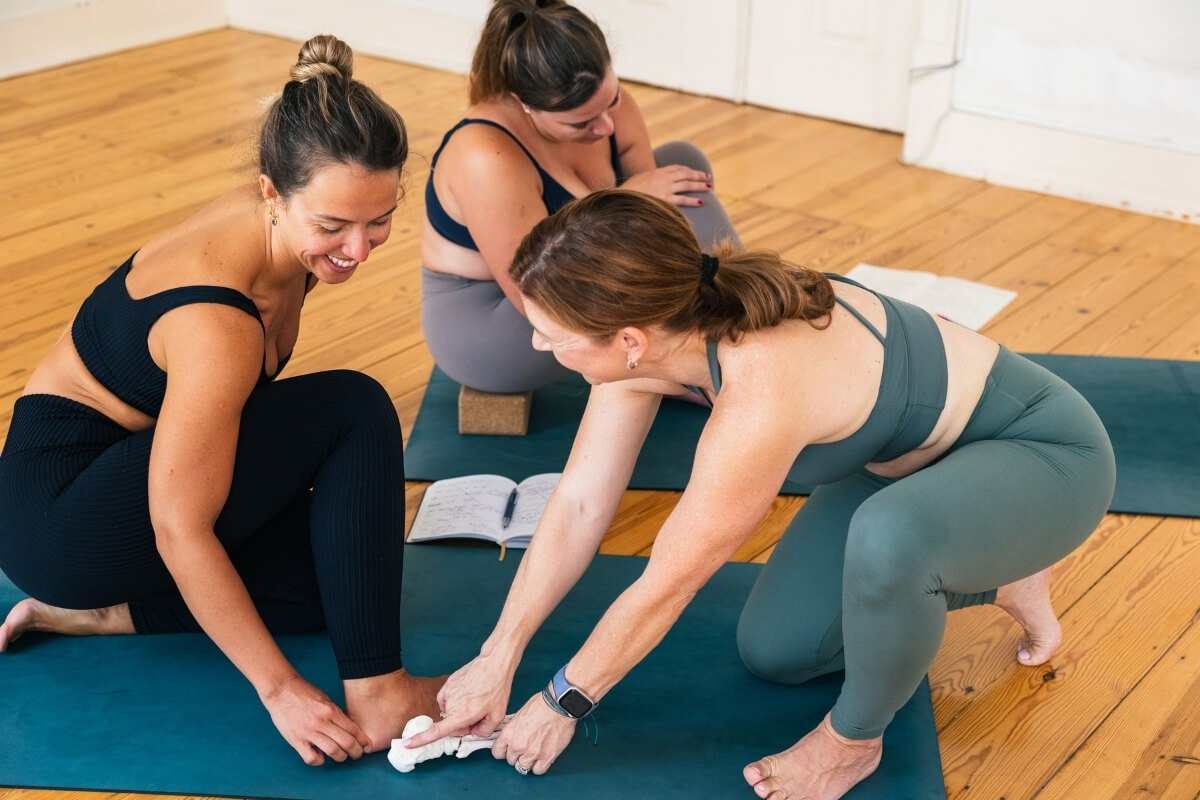
Every 200-hour yoga teacher training has to cover the core areas: anatomy, philosophy, teaching methodology, asana, sequencing, and ethics. What separates the trainings that transform people from the ones that just complete people is how those areas are taught and whether they connect.
Most 200-hour programs have depth somewhere. Many bring in a guest expert for anatomy, another for philosophy, another for sequencing. The depth in each module can be real. The problem is that the modules often do not connect. The student is left to assemble it into something they can use when they walk into a classroom.
I have been the anatomy guest teacher in other people's trainings. I have watched what happens when a curriculum is delivered as separate parts. Students learn each piece but cannot apply it across the rest of their practice or teaching. They know the muscle attachments for the shoulder but cannot link that to how they cue a sequence. The gap is not in the content. The gap is in the integration.
Real depth requires integration. The anatomy you learn on day one shows up in the practice teaching on day ten. The philosophy you learn on day two becomes the foundation you stand on when you teach your first real class, and it continues to live in the mentorship work you do after the training ends.
I spent the better part of three years leading the Physical Therapist Assistant program at San Jacinto College through its full accreditation cycle. That process taught me how to build a training where each piece of content builds on every other piece. In Power to Lead, I teach all of the core curriculum myself. That is deliberate.
Power to Lead graduates like Sarah Kelly, who id now leading her own yoga classes, describe this kind of integration as the difference between completing a training and being changed by one.
3. Real preparation to teach, with practice and feedback
You cannot learn to teach yoga from a textbook.
You learn by teaching, getting honest feedback, and teaching again.
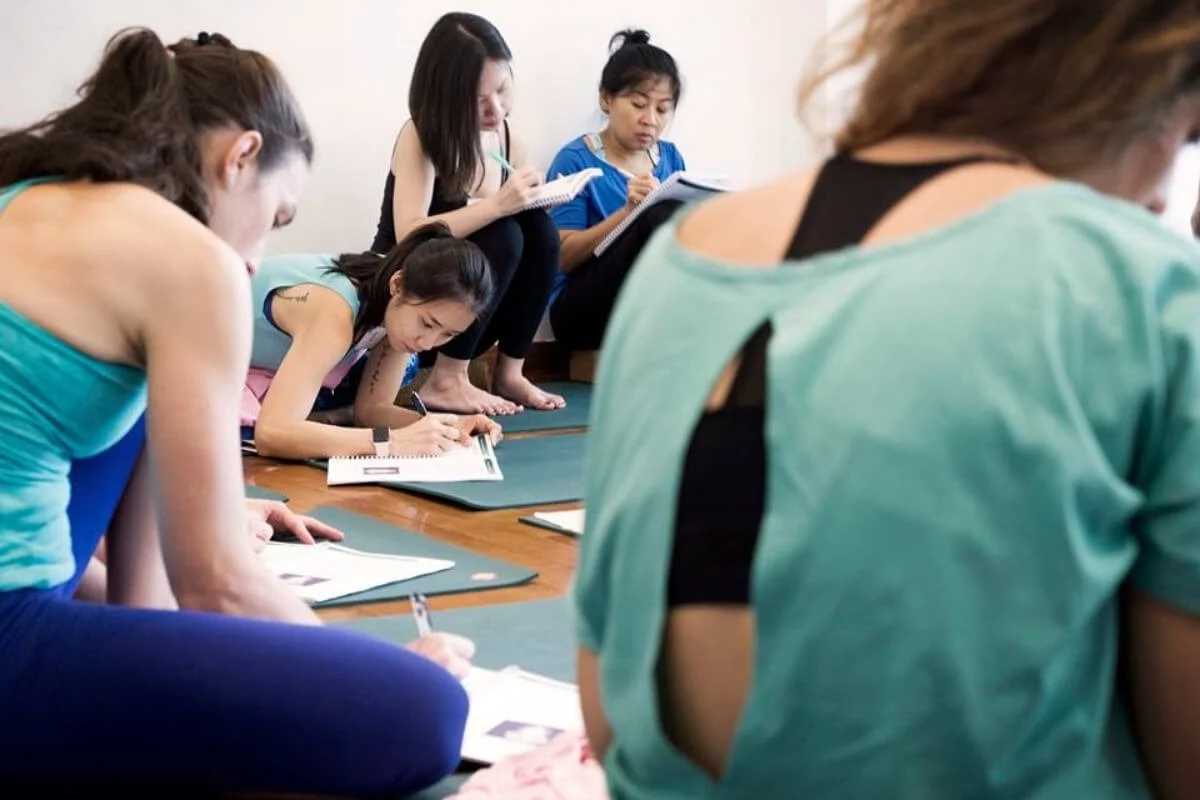
Ask any program how much practice teaching is built into the training, and what the feedback actually looks like. The answers are often surprising. Some 200-hour programs include almost no practice teaching. Others build it into the schedule but the feedback is generic, peer-only, or too vague to actually move anyone's teaching forward.
I have talked to people who completed a 200-hour training without ever teaching a real class during it. They graduated with a certificate and no idea whether they could do this work. That is not preparation. That is a paperwork outcome.
What good practice teaching looks like: enough of it that you actually start to develop a teaching voice. Feedback from the lead trainer who has watched you across the whole training. And peer feedback that is genuinely useful, not just kind. Peer feedback can easily turn into "I really liked your sequence" or "You did so well!" The participants love each other by the end of the second day, and nobody gets the concrete feedback that could actually shift their teaching. The best trainings teach participants how to give each other useful feedback, with specific tools.
In Power to Lead, practice teaching is built into every day of the training, starting on day one. By the end of the training, you will have led real classes, with my support, before you walk into a studio on your own.
There is a specific moment almost every graduate describes. The moment when they shared something they love about yoga, watched a person receive it, and realized I can do this. I am doing this. That moment cannot be manufactured. It only happens when the training creates the space for it.
4. Format and how it fits your real life
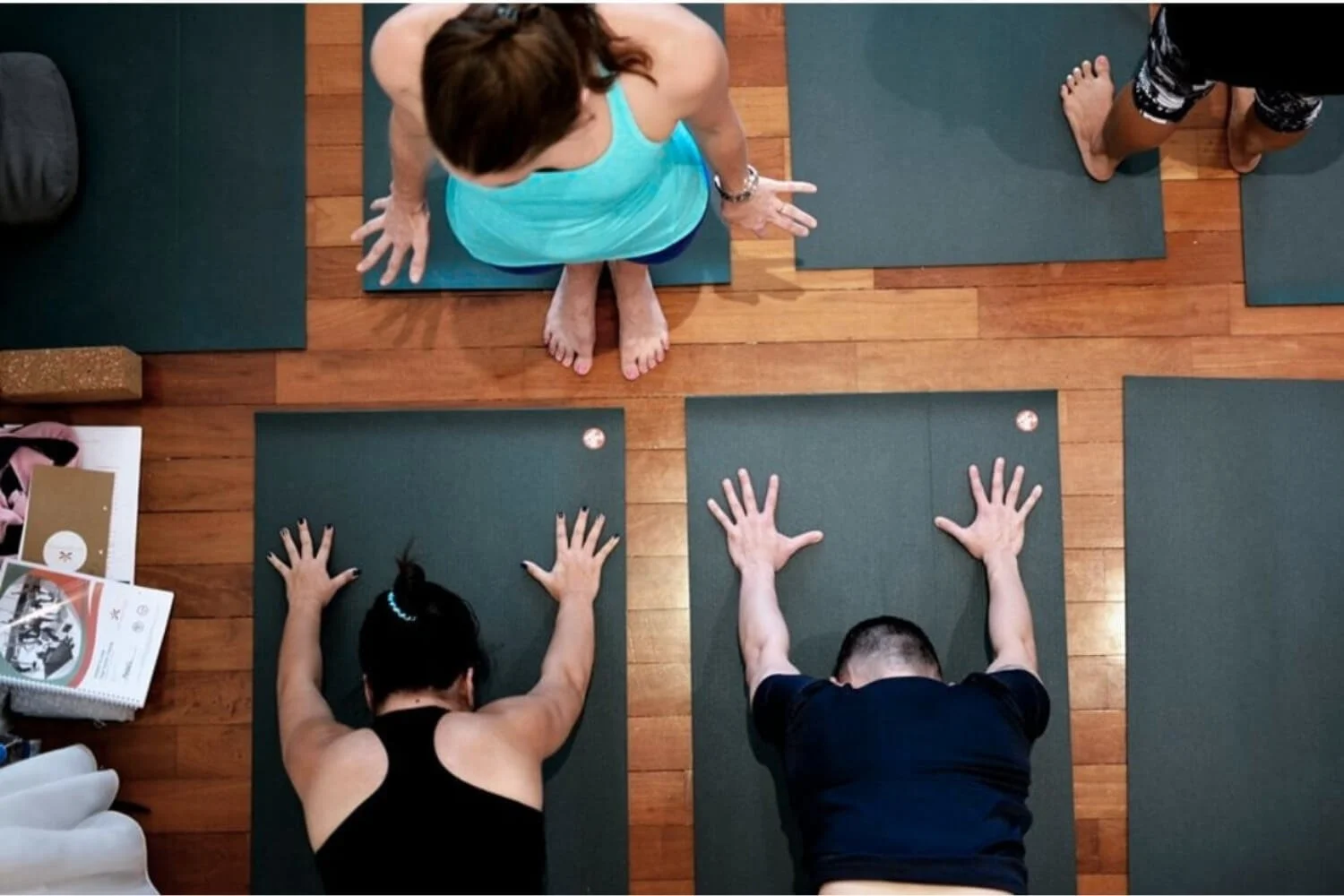
200-hour yoga teacher trainings come in four main formats. The right one depends on your life and on how you actually learn.
Fully immersive in-person trainings run three to four weeks straight, often at remote retreat centers in Bali, India, or similar destinations. These offer the deepest immersion but require you to disappear from your real life for nearly a month. Graduates often describe a post-training crash when they return home, where practices that felt natural in a retreat setting feel hard to bring into traffic, work, kids, and real life.
Weekend trainings spread over six to eight months keep you in your regular life. You attend Friday evenings and Saturdays, with weeks between sessions to integrate. This works for people who cannot take two weeks off. The challenge is momentum. The first hour or two of each weekend often gets spent getting back to where you left off.
Hybrid trainings combine an in-person intensive with structured online sessions before and after. After leading both intensive and weekend formats over the past decade, this is the format I have chosen for Power to Lead. The two-week intensive gives you the depth of immersion without requiring three or four weeks off. The online sessions and mentorship that follow build in structured integration support over the months after the intensive ends.
Fully online trainings come in two versions. Live online means you attend sessions over video conferencing. Self-paced means you watch pre-recorded content on your own schedule. Both can meet a budget that in-person trainings cannot. I would steer most people away from self-paced specifically. Completion rates are low, and the graduates who do finish often have knowledge but not teaching skill. Studio owners who have auditioned online-trained teachers describe the same pattern: they love the people, they can see the knowledge, and the teachers cannot put it together in front of a real class. If you want to teach in person, you need to practice teaching in person.
The other question to ask about format is where the training happens. Retreat centers are beautiful and well-marketed, but I have watched graduates of retreat-style trainings express genuine fear about going home. Learning in a remote setting teaches you to practice in a remote setting. Learning in a place where real life is happening around you teaches you to bring the practice into the world you actually live in.
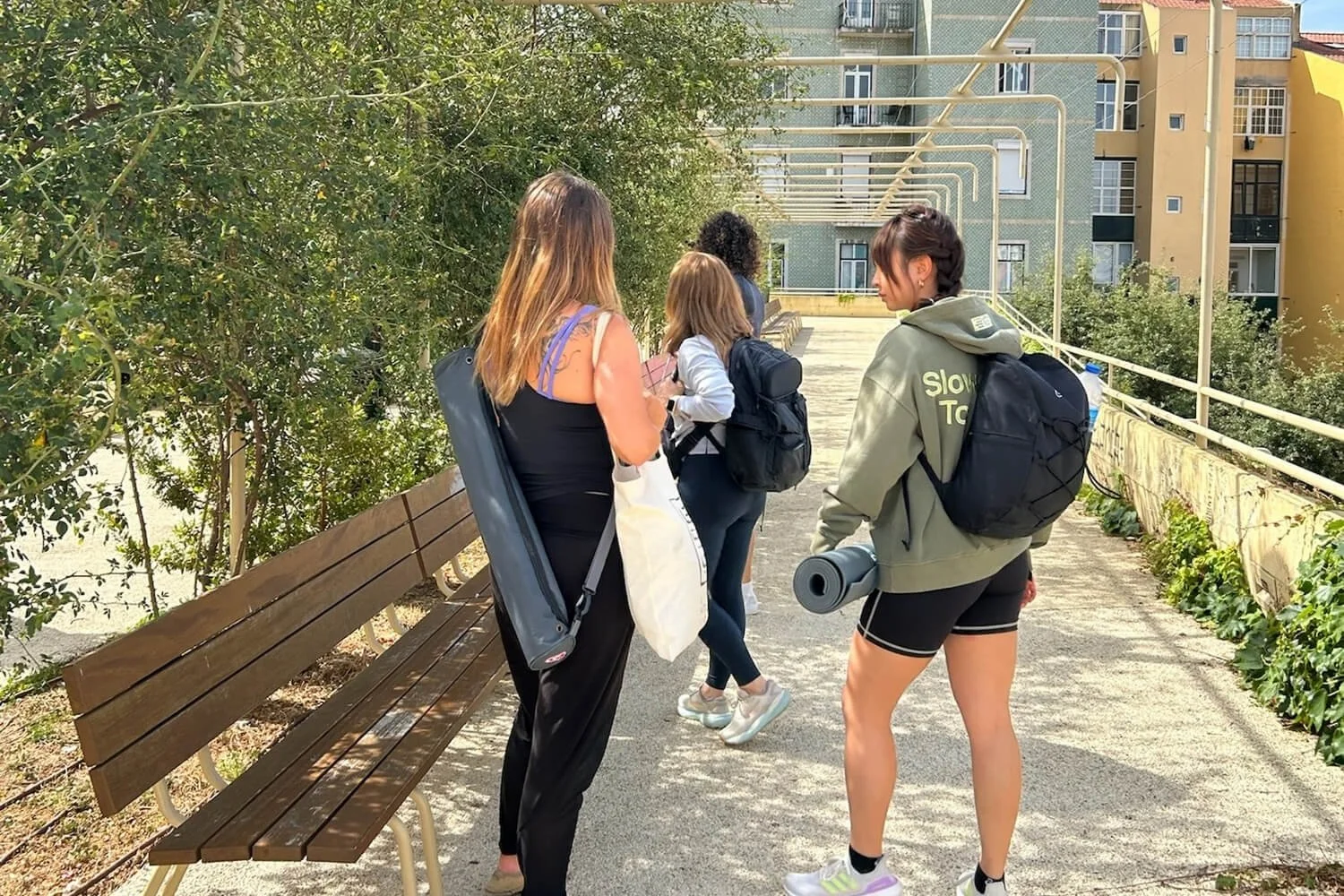
5. Can you actually meet the trainer before you commit?
This is the question I would tell anyone considering a 200-hour yoga teacher training to ask, whether they were thinking about my program or not.
You are about to commit 200 hours of your time to your lead trainer and any other instructors in the room. Their voice, their teaching style, the way they hold a room. All of it will shape how you teach. Before you commit, find out if you can actually meet them.
The best trainers are accessible. Take a class with them, even online. Get on a call, or at least be in a free session where you can hear their voice answering questions in real time. Watch them teach in a setting that is not a polished sales video. A class also tells you whether the style of yoga the trainer teaches is the style you actually want to practice and teach. Vinyasa, Hatha, Kundalini, Iyengar, and Yin are different traditions, and the right one for you is the one you connect with in your body.
If the only thing you can see of the lead trainer is what is on their landing page and a few Instagram reels, that is a warning sign. The best trainers offer ways to meet them because they are confident in what they offer. They want you to make an informed decision.
When you research a 200-hour yoga teacher training, ask if there is a way to meet the trainer before you enroll. A free class. An info session. A live conversation. The answer tells you a lot.
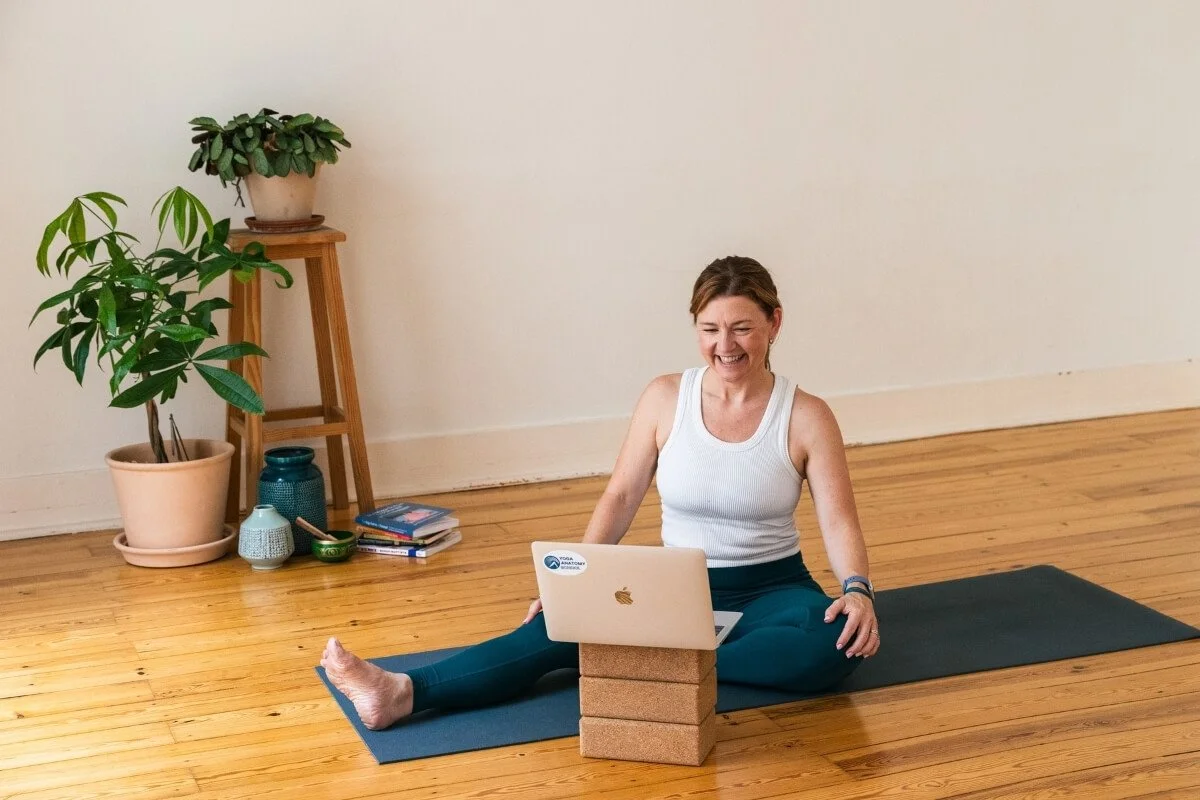
6. What happens after graduation
Most graduates of other 200-hour yoga teacher trainings describe the same thing. They finished. The training ended. The group scattered. They were left alone with a certificate and no idea what to do with it.
This is the part nobody thinks to ask about before they enroll. Everybody wishes they had asked after they graduate.
Look for programs that built post-training support into the design from the start. Group calls. Mentorship. A community of fellow graduates who continue to support each other. A trainer who is still there when you have a question about a student you taught last week.
A trainer who disappears the day the certificate is issued is selling you a course. A trainer who stays with you afterward is offering you a profession.
In Power to Lead, the formal training continues for months after the in-person intensive ends, with group calls and mentorship sessions every few weeks. After the formal program ends, graduates have the option to continue in ongoing group mentorship with me. The community that forms during the training stays connected because there is a real container for it to continue.
7. Yoga Alliance accreditation
Yoga Alliance has been the gold standard for yoga teacher certification for over two decades. A 200-hour program registered as a Yoga Alliance RYS 200 has submitted curriculum to meet standards across four Educational Categories: Techniques, Training, and Practice; Anatomy and Physiology; Yoga Humanities; and Professional Essentials. Graduates can register as a Registered Yoga Teacher (RYT 200), recognized globally.
For most yoga teachers, accreditation is not what opens or closes doors. Many studios do not require it. Where it does matter is in specific settings: some gyms, corporations, festivals, cruise ships, hotel chains, and international wellness platforms. If your future goals might include any of these, the credential is worth having.
Here is the more important thing to know. The Yoga Alliance stamp is not a quality measure. Schools apply, agree to standards, and receive accreditation. There is no consistent follow-up system to verify that the standards are actually being delivered in the room.
I know what real educational accreditation looks like. Before I founded Yoga Anatomy School, I was the director of the Physical Therapist Assistant program at San Jacinto College in Houston, Texas, where I led the program through its ten-year accreditation review. Real accreditation involves curriculum mapping at the level of individual exam questions, documented learning outcomes, and external review. Yoga Alliance does not currently operate at that level.
Yoga Anatomy School (my school where Power to Lead is registered) has been a Yoga Alliance Registered Yoga School since 2016. I maintain that registration because some Power to Lead graduates will need the credential. Some will not. The choice stays with them.
Why Portugal Is One of the Best Places in Europe for a 200-Hour Yoga Teacher Training
If you are weighing yoga teacher training abroad versus a program closer to home, Portugal offers a rare combination of advantages.
The Lisbon area is uniquely accessible. Lisbon Portela Airport (LIS) connects directly to most major European cities and to the US East Coast. Reaching the Lisbon region from anywhere in Europe is typically a two to three hour flight.
Cost of living advantage. Portugal is significantly more affordable than the UK, Ireland, the Netherlands, Germany, or the US for accommodation, food, and daily expenses.
English speakers thrive here. English is widely spoken throughout the Lisbon area. You can navigate daily life without a word of Portuguese, and the international community is large.
The climate supports the training. Winter daytime temperatures typically stay in the 13-16°C range (55-61°F). Summer averages 24-28°C (75-82°F). Spring and autumn sit comfortably in between. Whatever time of year you train, you can practice outdoors and focus on the work without the weather fighting you.
A genuine yoga community. The Lisbon area has had an active yoga and wellness community for years, with studios, retreats, and teachers spread across Lisbon city, Cascais, Estoril, and Sintra. The yoga community is part of the culture here, not separate from it.
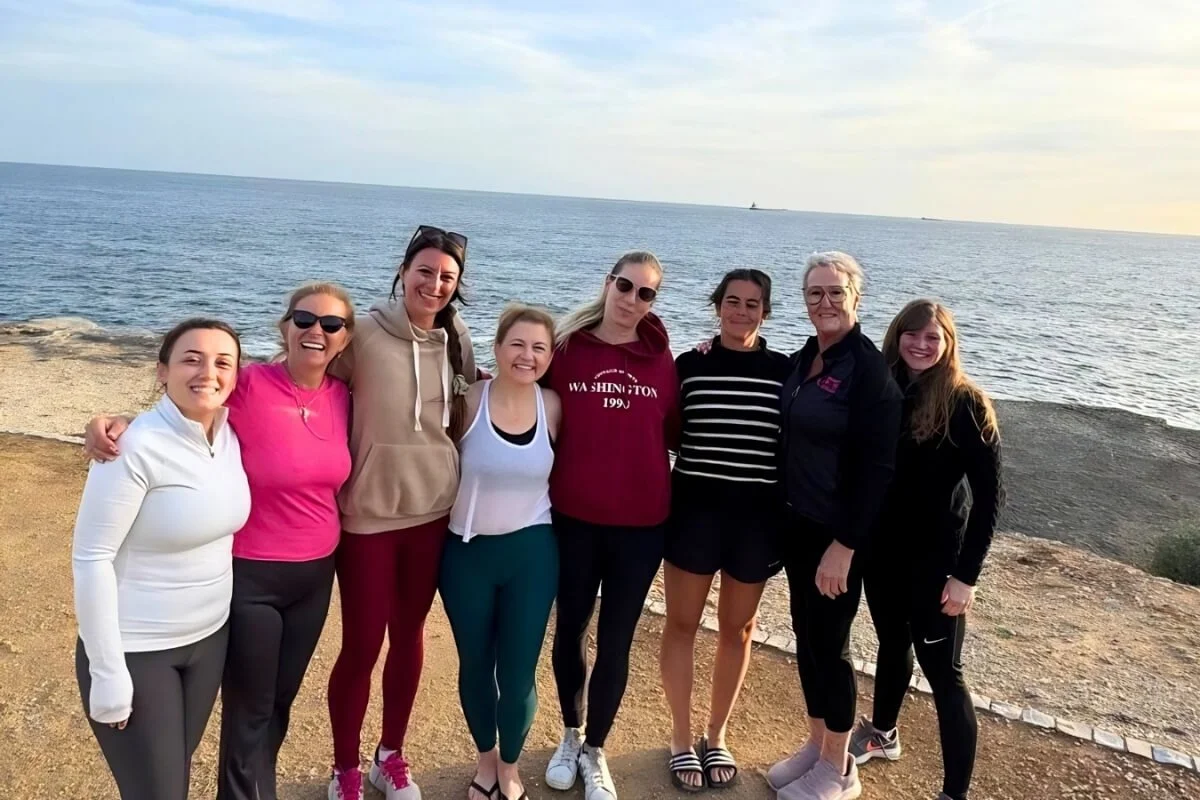
About Power to Lead: A 200-Hour Yoga Teacher Training in Portugal
Power to Lead is the 200-hour Vinyasa yoga teacher training I lead in the Lisbon area of Portugal. It is delivered by Yoga Anatomy School, the Yoga Alliance Registered Yoga School (RYS 200) I founded in 2016, and it is the only 200-hour yoga teacher training in Portugal led by a Doctor of Physical Therapy.
Format: Hybrid. A 16-day in-person intensive in the Lisbon region, combined with structured online sessions and self-paced content before and after the intensive. The full program runs about four months, with live group calls and mentorship sessions every few weeks through the integration phase. Graduates can register as a Yoga Alliance RYT 200.
Next training: Go to the Power to Lead for details on my next 200 hour yoga teacher training in Portugal.
What's included:
16-day in-person intensive with daily training, anatomy instruction, sequencing, philosophy, and practice teaching
Live online sessions and group mentorship calls across the months following the intensive
Printed manual and lifetime access to all course materials and recordings
Personalized mentorship and direct access to me throughout the program
Yoga Alliance RYT 200 certification upon completion
Ongoing community access and the option to continue in group mentorship after the formal program ends
Who this is for: People whose yoga practice has changed how they live their life and who want to go deeper. People curious about both the philosophy of yoga and how the body actually works in each posture. People who want real preparation to teach, not just a certificate. People who want a teacher and a community that stays connected long after the training ends.
You do not need to want to teach professionally to join. Some Power to Lead graduates joined for personal transformation and never taught. Others discovered during the training that they wanted to teach. Both are valid.
For current investment information, training dates, and the priority list for upcoming cohorts, visit the Power to Lead program page.
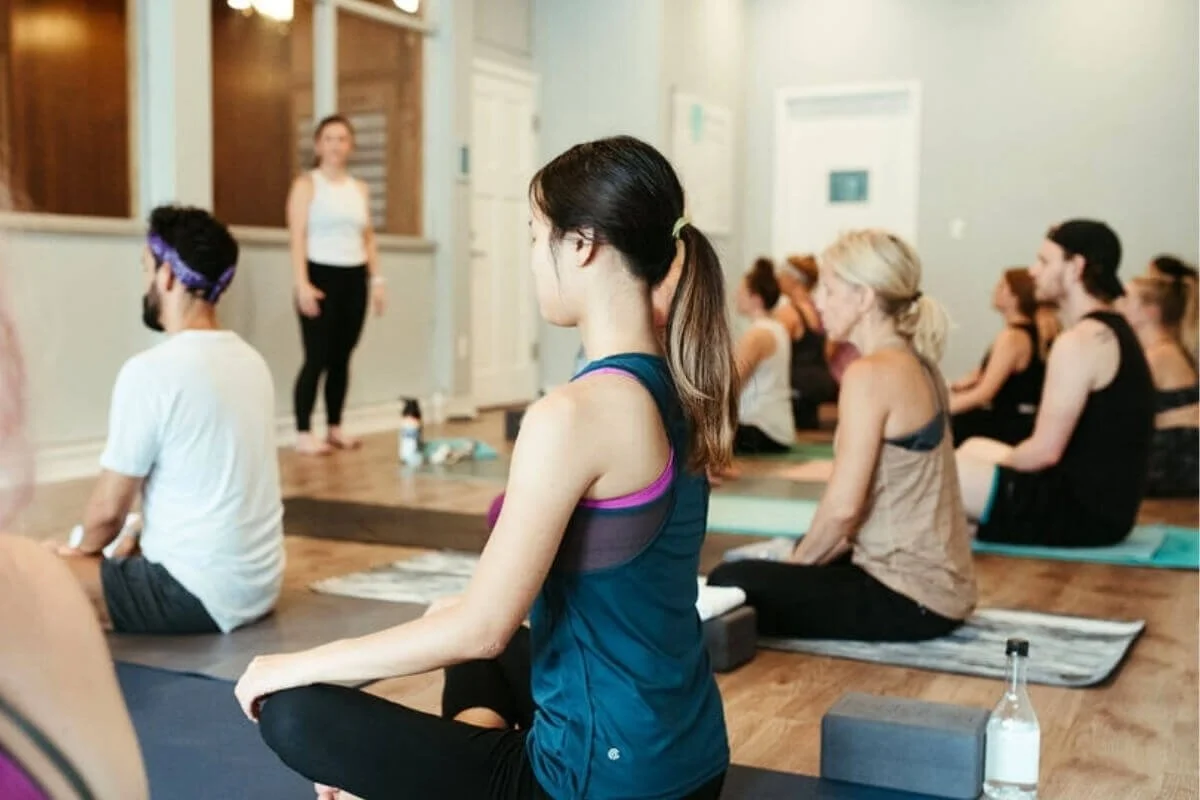
Get Curious! Q&A
Frequently Asked Questions About Yoga Teacher Training in Portugal
What is a 200-hour yoga teacher training?
A 200-hour yoga teacher training is the foundational certification recognized internationally for yoga teachers. The 200-hour standard was set by Yoga Alliance and covers the core skills required to safely and effectively teach yoga: anatomy and physiology, yoga humanities (philosophy, ethics, lifestyle), techniques and practice, and the professional essentials of teaching methodology. Graduates of a Yoga Alliance Registered Yoga School (RYS 200) can register as a Registered Yoga Teacher (RYT 200), a credential recognized in studios, gyms, and wellness settings worldwide.
How long is a 200-hour yoga teacher training in Portugal?
A 200-hour yoga teacher training typically runs anywhere from two weeks (for an immersive in-person format) to eight months (for a weekend or hybrid format). Power to Lead is a hybrid program with a 16-day in-person intensive in Portugal followed by ongoing online sessions over the months that follow, totaling 200 hours.
How much does a 200-hour yoga teacher training in Portugal cost?
The cost varies widely. Self-paced online programs typically range from about €200 to €800. Live online programs usually fall between €1,800 and €3,200. In-person and hybrid programs in Portugal typically range from €2,000 to €4,000. Premium retreat-style trainings in Portugal or elsewhere can run from €4,000 to over €7,000, often including accommodation and meals.
What you get at different price points varies significantly. The cheapest online programs typically include minimal practice teaching, no live trainer interaction, and high completion-failure rates. Mid-range trainings usually offer the core curriculum, group format, and Yoga Alliance accreditation. Higher-priced trainings tend to include smaller cohorts, more individualized feedback, ongoing post-training mentorship, and direct access to a credentialed lead trainer throughout. Power to Lead falls within the typical range for in-person and hybrid programs in Portugal. Current investment information is available on the program page.
Is an expensive yoga teacher training worth the cost?
It depends on what you want from the training and what you do with it afterward. Less expensive programs can produce excellent teachers when the participant is highly self-directed. More expensive programs typically offer smaller group sizes, more individualized feedback, more practice teaching, and ongoing mentorship after the training ends. If you want to feel ready to teach when you finish, and if you want someone in your corner as you build a teaching practice, the higher investment generally pays off. The price tag does not determine the quality. The trainer, the curriculum, and the structure do.
Is yoga teacher training in Portugal Yoga Alliance accredited?
It depends on the program. Yoga Alliance is the largest international yoga teacher registry, and individual programs choose whether to register as a Yoga Alliance RYS 200. Many programs in Portugal are accredited. Some are not. Yoga Anatomy School, which delivers Power to Lead, has been a Yoga Alliance Registered Yoga School (RYS 200) since 2016. Graduates can register as RYT 200, a credential recognized globally.
Can I do yoga teacher training abroad if I'm a beginner?
You do not need to be an advanced practitioner to enroll in a 200-hour yoga teacher training abroad. What matters is your willingness to show up and your commitment to the work, not how long you have been practicing. Most 200-hour programs welcome students across a wide range of experience levels.
Do I need to want to teach yoga to do a 200-hour training?
No. Many people enroll for personal transformation rather than to teach professionally. Some discover during the training that they want to teach. Others complete the program purely for the depth and growth and never set foot in a studio as a teacher. Both are valid reasons to enroll.
Do I need to speak Portuguese to do a yoga teacher training in Portugal?
No. Many people enroll in 200-hour yoga teacher trainings for personal transformation rather than to teach professionally. Some discover during the training that they want to teach. Others complete the program purely for the depth and growth and never set foot in a studio as a teacher. Both are valid reasons to enroll. If you're not sure whether you're ready, these five signs can help you decide.
Can I attend a yoga teacher training in Portugal if I live abroad?
Yes. Many participants travel internationally to attend. Lisbon is well-connected by direct flights from most major European cities and from the US East Coast. Hybrid programs in particular are structured so the in-person intensive happens in Portugal and the online components can be attended from anywhere in the world.
When is the next 200-hour yoga teacher training in Portugal with Power to Lead?
The next Power to Lead 200-hour yoga teacher training intensive runs November 7-22, 2026, in the Lisbon area of Portugal. Future training dates are announced as they are confirmed. You can join the priority list for upcoming cohorts on the program page.
Take the Next Step
The criterion I'd put highest on this list is the one most people skip: meet the trainer before you commit.
The next Power to Lead dates are being planned now. Add your name to the interest list and you'll be the first to hear when they're set. You'll also have the chance to connect with me, ask your questions, and see how I teach before you decide if this is the right path for you. You don't need to be ready to enroll. Curiosity is enough.
Get Notified About the Next Power to Lead Training →
About the Author
Dr. Trish Corley is a Doctor of Physical Therapy (Physiotherapy) and yoga teacher trainer with over two decades of clinical experience. She helps yoga teachers learn anatomy, give clear cues, and create classes their students love. Based in Lisbon, Portugal, she leads the Enlightened Anatomy Course, the Elevate Your Impact Mentorship, and the Power to Lead 200-Hour YTT.