
Should You Dome the Back in Yoga Plank?
I've been in classes where the teacher cued it enthusiastically. "Push the floor away. Round your upper back." And I've been in classes where the teacher was firm in the opposite direction: neutral spine, shoulders over wrists, full body in one line.
Both teachers were confident. Both had reasons. And both were teaching the same transition.
Whether to dome the back in yoga plank comes down to what you're preparing your students for next — and what's already happening in their bodies when they step onto the mat.
Wait. No dashes. Rewriting that last line:
Whether to dome the back in yoga plank comes down to what you're preparing your students for next, and what's already happening in their bodies when they step onto the mat.
In This Article:
What it means to dome the back and what's happening anatomically
The key muscles involved and why they matter
How doming the back affects chaturanga
A BPA-informed approach for group yoga classes
What Does It Mean to Dome the Back in Yoga?
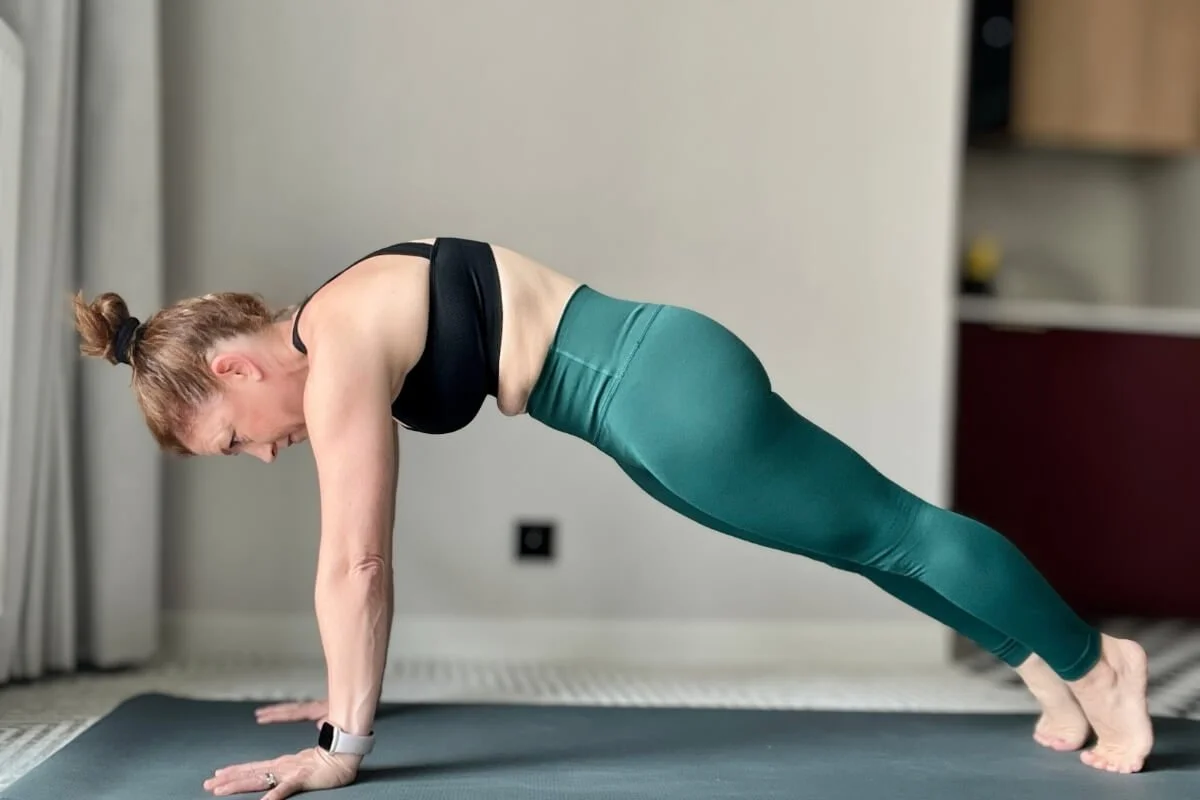
Doming the back is synonymous with forward flexion of the thoracic spine. Your thoracic spine has a natural kyphotic curve. To dome the back is to increase that curve, typically by pressing firmly into the ground with your hands.
That pressing action increases muscle activation, especially in the shoulder and core muscles. The increased activation likely makes you feel stronger and more powerful in the posture. After all, muscle contractions involve a transfer of energy, and that can feel really good.
The Key Muscles Involved
So many muscles are activated in every single posture. A couple of key muscles worth looking at here are the serratus anterior and the abdominals.
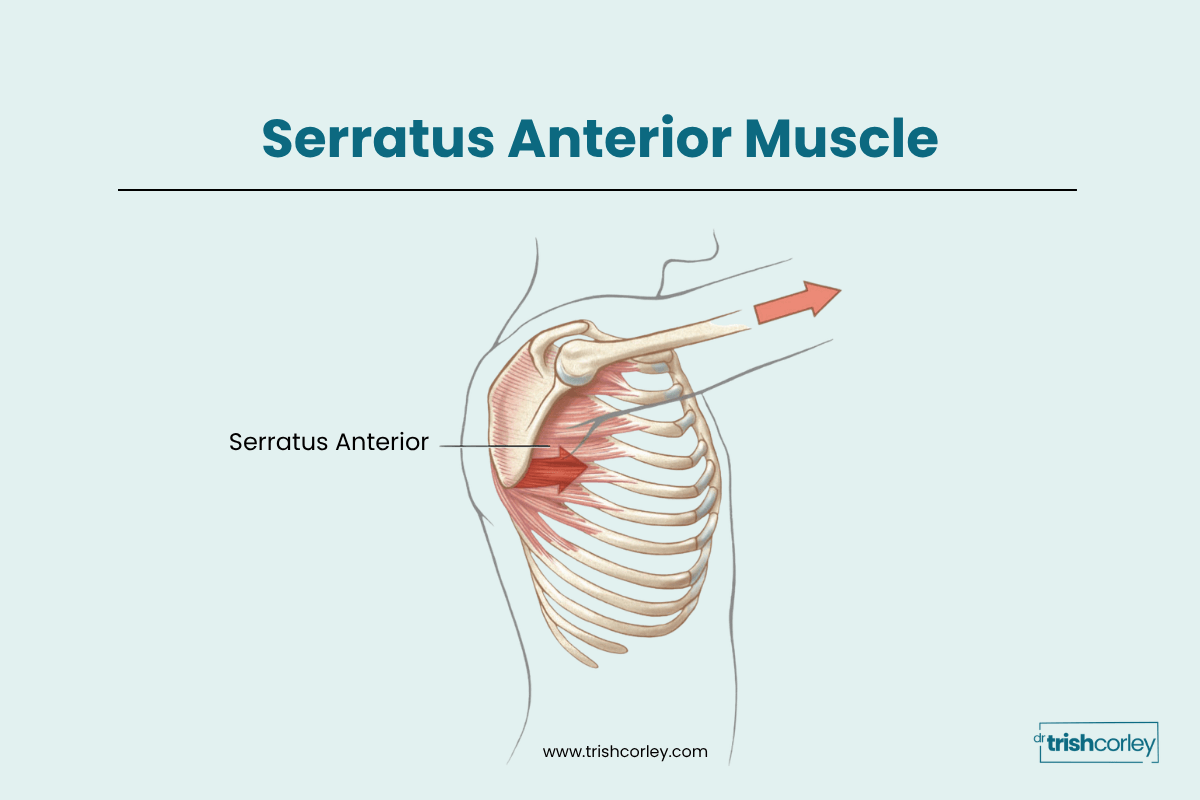
The serratus anterior attaches from the shoulder blade to the ribs. When it contracts, it causes the shoulder blades to protract, wrapping around the outside of the rib cage. The abdominal muscles attach from the ribs to the pelvis and are responsible for forward flexion of the spine, which is exactly what happens in a domed back plank. Together, these muscles are doing meaningful work when you push into that rounded shape.
If strengthening the serratus anterior or abdominals is the goal, doming can do that. There is nothing inherently wrong with the position.
So why the debate?
Thoracic Kyphosis and Forward Shoulder Posture
The issue is not the movement itself. It's what happens when that pattern gets reinforced repeatedly in a population that already lives there.
Many people arrive on the yoga mat already carrying forward shoulder posture and increased thoracic kyphosis, the cumulative result of desk work, phones, and daily postural habits. For those people, doming the back in plank deepens the very pattern yoga could help them move out of
That's the primary reason I hesitate to cue "dome your back" in a group class.

What Doming Does to Chaturanga
The other reason I don't typically cue doming in a group vinyasa class is what comes next: chaturanga.
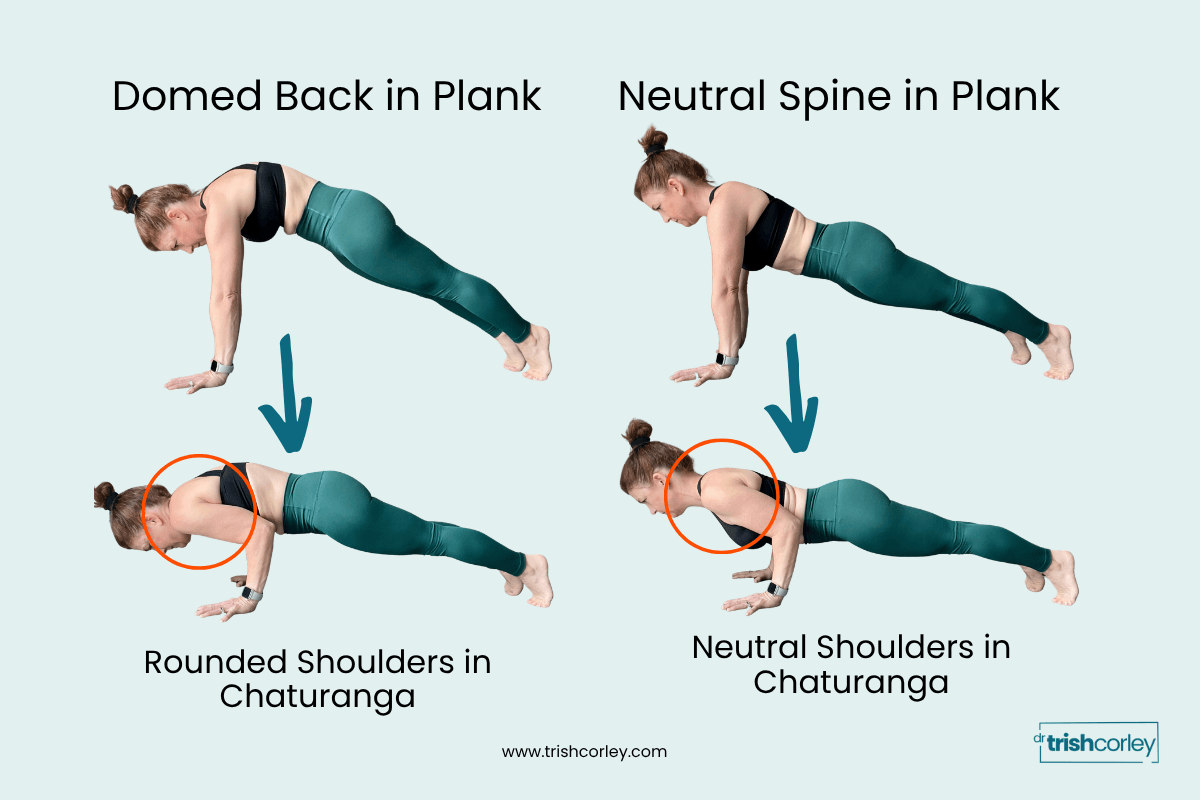
Chaturanga requires controlled strength and stability throughout the body, especially in the shoulder girdle. When a student domes the back in plank, they carry that forward shoulder position into the lowering phase. The head of the humerus, the upper arm bone, sits forward in the joint. That position is less stable and places increased demand on the muscles, tendons, and ligaments involved.
Repeated over time, that forward position raises the potential for impingement of the rotator cuff and biceps tendons. Impingement is what often precedes rotator cuff and biceps tendon injuries.
This doesn't mean your students are on the verge of injury every time they dome in plank. Bodies are resilient and individual variation matters enormously. What it does mean is that this is worth understanding and worth cueing with intention.
A Balanced Posture Alignment-Informed Approach
The Balanced Posture Alignment framework is built on one central idea: distribute the workload across the whole body, rather than loading any one area.
Doming the back in plank tends to concentrate the work in the upper body. For both plank and chaturanga, a neutral spine, with all of the natural spinal curves present, asks more of the whole body and protects the shoulders through the transition.
Your yoga mat is a lab. Get on it, experience plank and chaturanga with a domed back and with a neutral spine. Observe what you feel and stay curious.
The Bottom Line
Doming the back in yoga plank is not a strict never. There may be contexts where playing with that shape is worthwhile. In a group vinyasa class, where students move from plank into chaturanga repeatedly and where many arrive with existing forward shoulder posture, a neutral spine cue serves more people more of the time.
A More Empowering Approach
Instead of cueing "push the floor away and round your upper back," try: "Press into the ground and lengthen your whole body, head, shoulders, hips, one long line." Observe what changes in the room. See who responds. Then decide if a more specific cue is needed for an individual student.
Get Curious! Q&A
Is doming the back ever okay in yoga?
Yes. The human body is capable of many positions and moving into increased thoracic kyphosis is not inherently harmful. The question worth asking is: what does this student need more of? For someone with an already rounded upper back, reinforcing that shape may not serve them. For someone exploring serratus anterior activation or arm balance preparation, it may be a useful tool. Context matters.
What muscles are activated when you dome the back in plank?
So many muscles are activated in every single posture. A couple of key muscles worth looking at here are the serratus anterior and the abdominals. The serratus anterior causes the shoulder blades to protract around the rib cage, and the abdominals drive the forward flexion of the thoracic spine that creates the domed shape. Both are doing meaningful work, which is part of why the position can feel strong and activated.
How does doming the back affect chaturanga?
Carrying a domed back into chaturanga places the shoulders in a less stable position for the lowering phase. The head of the upper arm bone sits forward in the joint, which increases demand on the surrounding soft tissue and raises the potential for impingement over time. Neutral spine alignment in plank generally sets up a more stable transition.
How do I cue neutral spine in plank?
Consider that Tadasana is always your reference for neutral spine. How would you cue Tadasana? Use that same language in plank. Head, shoulders, hips in one line, natural curves of the spine present. If you want a complete framework for building anatomy-informed cues like this one across all postures, the Cue with Confidence guide is a good place to start.
Go Deeper with your understanding of spinal alignment and anatomy-informed cueing
Anatomy-informed cueing is a skill, and it starts with understanding what you're actually looking at when students are on their mats. The Cue with Confidence free guide gives you 3 anatomy-informed cues, the science behind each one, and a preview of the Balanced Posture Alignment framework.
Download the free Cue with Confidence guide →
About the Author
Dr. Trish Corley is a Doctor of Physical Therapy (Physiotherapy) and yoga teacher trainer with over two decades of clinical experience. She helps yoga teachers learn anatomy, give clear cues, and create classes their students love. Based in Lisbon, Portugal, she leads the Enlightened Anatomy Course, the Elevate Your Impact Mentorship, and the Power to Lead 200-Hour YTT.