
Yoga Alignment Cues: Why Bones Matter More Than Muscles
"Engage your glutes."
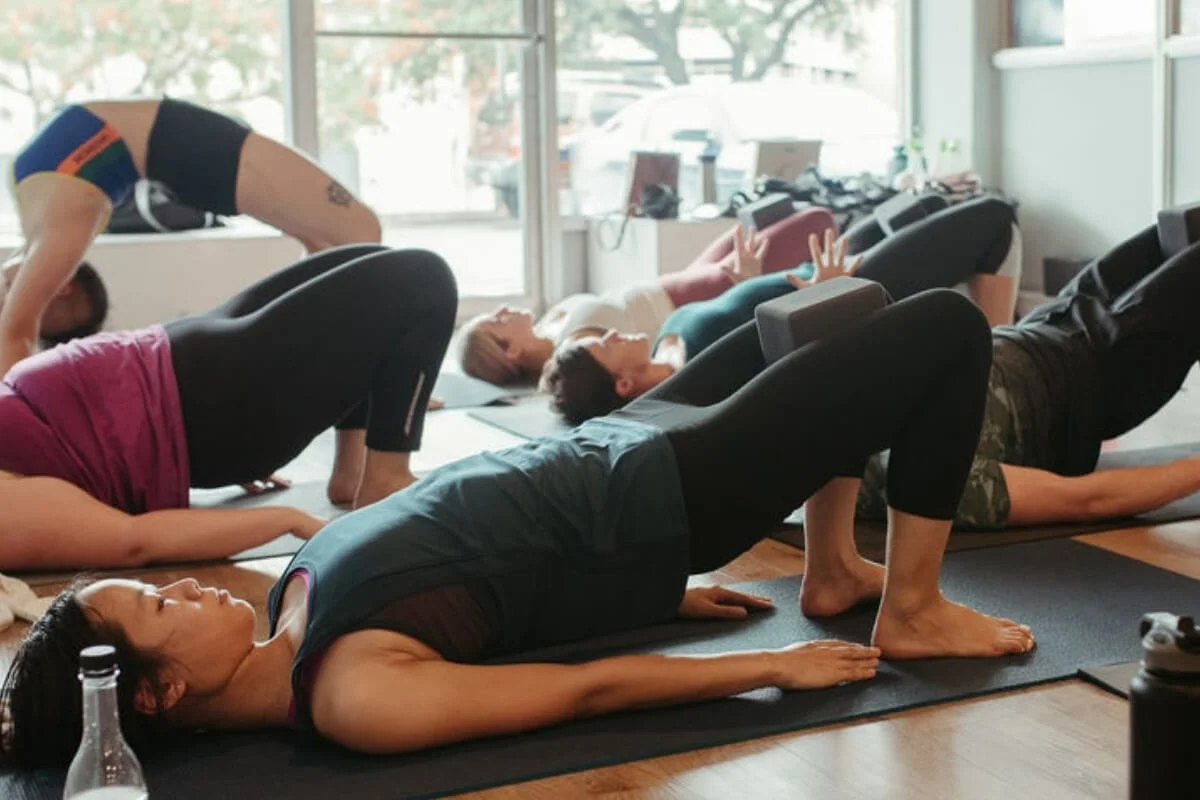
A yoga teacher says it in bridge posture. The room shifts. A few people grip their backsides. Someone else flares their lower back. Another person freezes, unsure what to do.
The cue isn't wrong. It's just vague.
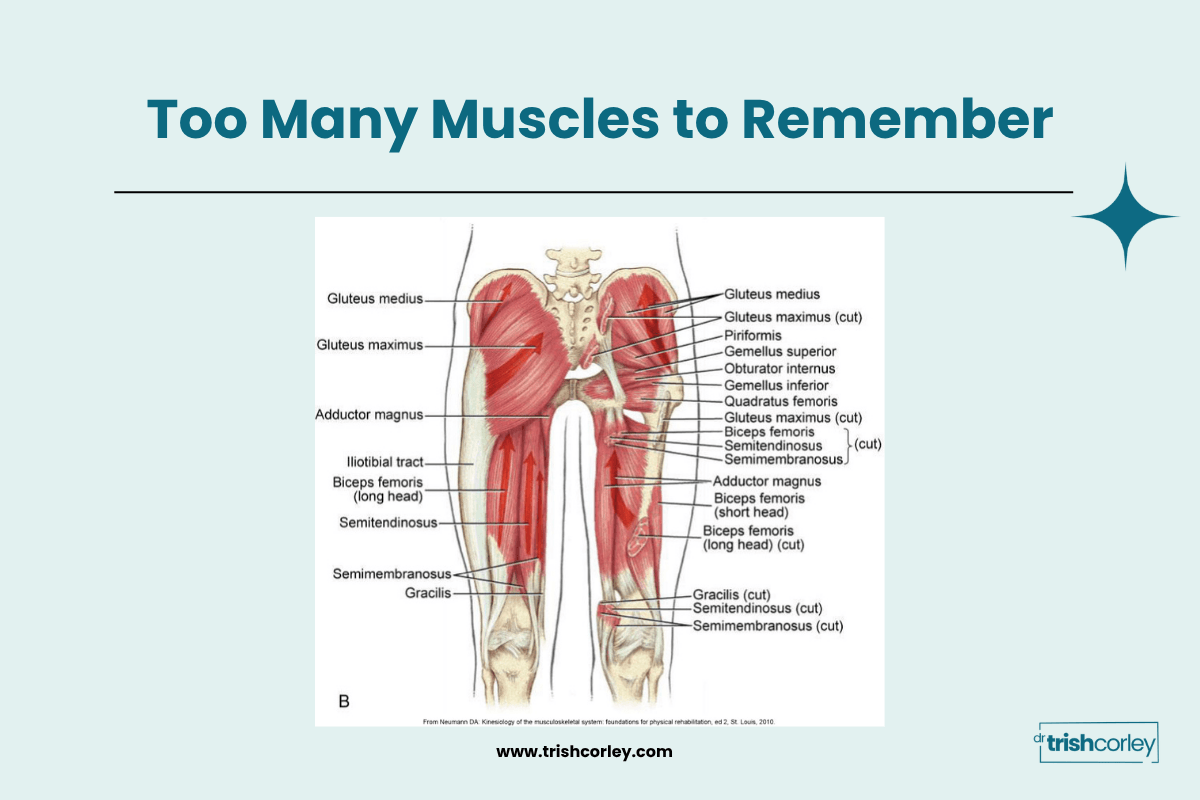
When you say "engage your glutes," what do you actually want to happen? Squeeze the muscles? Stabilize the hip? Extend it? Rotate it? The glutes are a group of three different muscles that do different things. The cue can mean any of those things, or none of them, depending on who's listening.
This is what happens when we cue muscles instead of bones. We hand students a puzzle to solve mid-posture, and we hope they pick the right piece.
There's a simpler way.
The most effective yoga alignment cues guide students by their bones, not their muscles. When you cue bones, students can follow without guesswork. The muscles activate on their own, doing exactly what the alignment requires.
In This Article:
Why "engage your glutes" and similar muscle cues create confusion
Three reasons bone-based cueing works better than muscle-based cueing
A bridge posture example you can use right away
How proprioception supports anatomy-informed yoga cues
Where this principle fits into the bigger picture of anatomy-informed teaching
Why Muscle-Based Cues Often Miss the Mark
There are over 600 muscles in the human body. Even after years of studying anatomy, it's hard to remember exactly where each one lives and what it does.
Most yoga students know roughly where their abdominals and glutes are. The problem is that those names refer to groups of muscles, not single ones. Each group has different actions and different ways to engage. When a teacher says "engage your glutes," even an experienced student is left guessing which action the teacher actually wants.
Here's the deeper question: as the teacher, do you know exactly what you want them to do?
If you're not sure, that's not a flaw in your teaching. It's a sign that the cue itself was built on shaky ground.
There's so much to learn about yoga anatomy. It can feel overwhelming for students and teachers alike. A more empowering approach is to keep cueing simple and let the body's natural intelligence do the rest. For a deeper look at how this plays out with one of the most overused muscle cues, see Stop Saying "Engage Your Core" in Yoga Classes.
Cue Bones, Not Muscles: Three Reasons This Works
Muscle contractions are vital to every yoga posture. Without muscle activity, your body cannot hold a shape. The primary role of muscles is to move and stabilize your bones. So if you can guide your bones into alignment, the right muscles activate automatically. They have to. That's their job.
Here's why bone-based cueing tends to work better than muscle-based cueing.
1. Bones are the foundation of every yoga posture
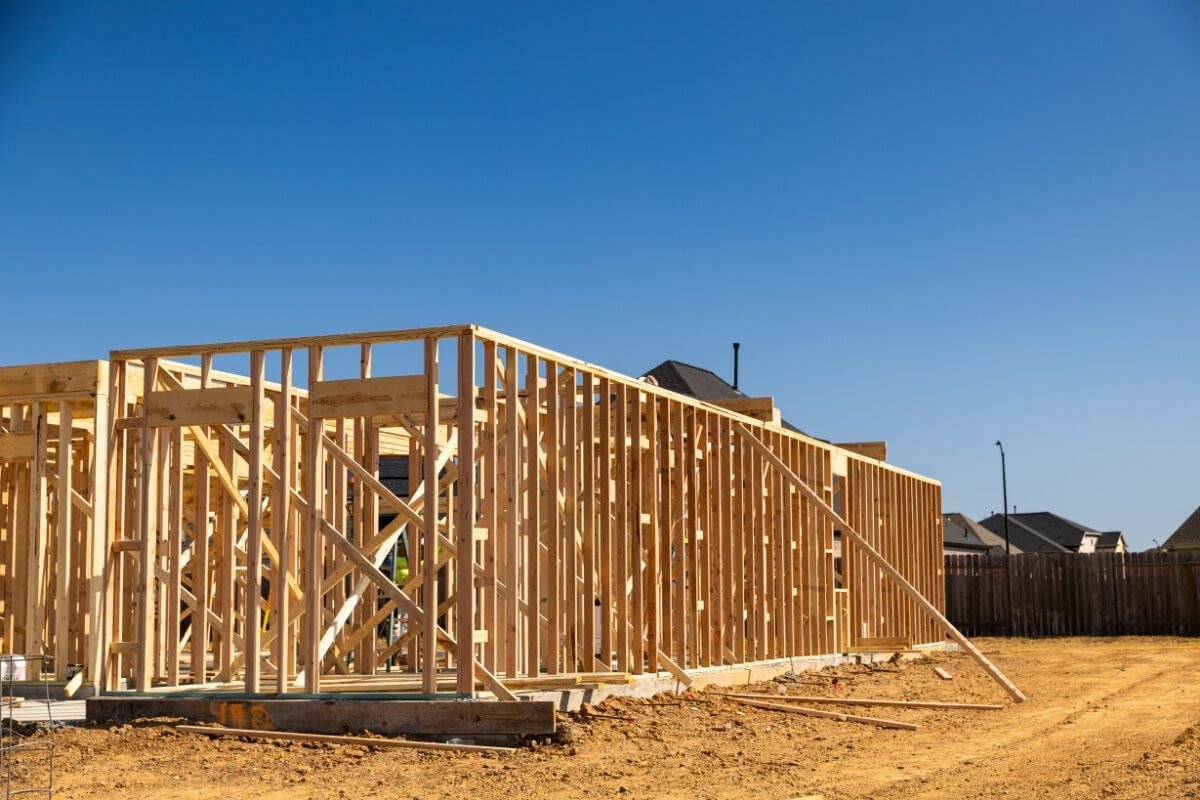
Think about how a house is built. The foundation comes first. Then comes the frame, the two-by-fours that give the house its shape. Ligaments are like the nails holding the wood pieces together at every joint.
Without the frame, nothing else has anywhere to go. Drywall, electrical, plumbing, all of it depends on the frame being where it's meant to be.
Your body works the same way. The earth (or your yoga mat) is the foundation. Your bones are the frame. The soft tissues, your muscles, fascia, and organs, follow the structure the bones create.
Align your bones, and the rest of your body follows.
2. Proprioception lights up around bone alignment
Proprioception is your sense of where your body is in space and how it's moving. It comes from a network of receptors in your muscles, joints, and skin, all sending information to your brain at the same time (Proske & Gandevia, 2012).
When you cue a student to stack their knee over their ankle, you're not just creating a shape. You're giving the body a clear, simple reference point. The whole proprioceptive system lights up around that anchor. Muscle spindles track length. Joint receptors map position. Skin receptors pick up stretch.
Bones are the anchor. The rest of the body senses itself in relationship to that anchor. This is why specific, observable cues based on bony landmarks tend to land more clearly than abstract instructions to contract a muscle.
3. People already know where their bones are
A three-year-old can sing "head, shoulders, knees, and toes" and point to every one of them. That's not a coincidence. Bones are knowable.
Even students with no anatomy background can usually find their hip bones, their shoulders, their knees, their ankles. They might not know exactly which muscle to contract, but they can absolutely lift the front of their hips toward the ceiling.
That's the whole game.
A Bridge Posture Example
Try this. Come into bridge posture.
Instead of saying "contract your glutes," say "lift the front of your hips up toward the ceiling."
Notice what happens. The glutes activate. The hamstrings activate. The pelvis lifts up off the ground. The whole posterior chain activates in coordination, not in isolation.
You didn't ask for any of those muscles by name. You gave one clear bone-based instruction, and the body sorted out the rest.
Here's another one. Is it easier to follow "straighten your knee" or "contract your quadriceps"?
Your quadriceps are four different muscles. There are several ways to contract them. But your knee? It's either straightening or it isn't. There's no ambiguity.
Simple cues. Real results.
How This Connects to Anatomy-Informed Cueing
This is one of the foundational principles behind Balanced Posture Alignment, the framework I teach to yoga teachers. BPA is built on 16 anatomy-informed cues that work in every yoga posture, and the principle of cueing bones over muscles runs through all of them.
When you understand what each bone is doing in a posture, you can cue any body in front of you. Instead of trying to memorize and recall scripted cues, you are able to see and understand what's actually happening with the students in front of you. From that seeing and understanding, you can offer cues that really matter. Knowing how to tell if that cue actually worked is its own skill. Here is how to know if your yoga cues are working.
This is what teaching from principles instead of postures looks like. One principle, applied across many postures, is far more useful than a long list of pose-specific scripts.
The Bottom Line
Yoga alignment cues land most clearly when they guide students by their bones rather than their muscles. Bone-based cueing is simpler to follow, anatomically reliable, and accessible to people of all experience levels. The muscles will do their job. Trust them to.
If you've been cueing muscles and feeling like something's not landing, this is the shift. One small change in language. A big change in how students experience your teaching.
Get Curious! Q&A
Why don't muscle-based cues work as well as bone-based cues?
Muscle names often refer to groups of muscles with different actions. When you cue "engage your glutes" or "contract your quadriceps," students don't know which specific action you want. Bone-based cues are unambiguous. Either the knee is straightening or it isn't. Either the hips are lifting or they aren't.
Can I still mention muscles in my cues?
Yes. If you are educating students about specific anatomy, naming muscles makes sense. In a general group class, though, I don't assume students know exactly where each muscle is or how to activate it. Bone-based cues land more reliably across the room.
What's an example of a good bone-based yoga cue?
"Stack your knees over your ankles.""Lift the front of your hips up toward the ceiling.""Reach the crown of your head away from your tailbone.""Press the outer edge of your back foot down into the mat." Each one names a bony landmark and a clear direction. No guessing required.
Does this apply to non-standing postures too?
Yes. The principle works in every yoga posture. In downward facing dog, "reach your sit bones up toward the ceiling" tends to be more useful than "engage your hamstrings." In savasana, "let the back of your skull rest heavy" tends to be more useful than "relax your neck muscles."
How do I know which bones to cue in a given posture?
Start with the foundation. Whichever body parts are touching the ground or supporting weight tend to be the most useful cueing points. From there, work upward through the body, noticing which bones may benefit from clearer alignment. For a fuller framework on how anatomy translates into teachable cues, see Yoga Anatomy for Teachers: Why It's Hard and How to Make It Simple.
Go Deeper with Teaching and Cueing
If you want to put bone-based cueing into practice, my free Cue with Confidence guide is a starting point for understanding how to learn anatomy-informed cueing as a skill. You'll see exactly how this works with three specific cues, including the science behind why each one lands.
Download the Cue with Confidence guide →
If you're ready to teach with anatomy-informed cues across every posture, the Enlightened Anatomy Course walks you through the full Balanced Posture Alignment framework.
Discover Enlightened Yoga Anatomy Course →
References
Proske, U., & Gandevia, S. C. (2012). The proprioceptive senses: their roles in signaling body shape, body position and movement, and muscle force. Physiological Reviews, 92(4), 1651-1697. https://doi.org/10.1152/physrev.00048.2011
About the Author
Dr. Trish Corley is a Doctor of Physical Therapy (Physiotherapy) and yoga teacher trainer with over two decades of clinical experience. She helps yoga teachers learn anatomy, give clear cues, and create classes their students love. Based in Lisbon, Portugal, she leads the Enlightened Anatomy Course, the Elevate Your Impact Mentorship, and the Power to Lead 200-Hour YTT.