
Yoga Teacher Self-Doubt Is a Vritti (Your Practice Teaches You What to Do)
There's a moment I know well. It shows up before I teach, before I hit record on a video, sometimes even before I send an email. It's quiet, but it's there: the whisper that says "who are you to do this?"
I used to let that voice run the show. Now I recognize it for what it is, just a fluctuation of the mind. Yoga Sutra 1.2 calls them vrittis. And after 25 years of practice and training hundreds of teachers, I know this: doubt is one of the loudest ones.
Yoga teacher self-doubt isn't a sign you're not ready. It's a vritti, and your practice already gave you the tools to work with it.
I'm Dr. Trish Corley, a Doctor of Physical Therapy (Physiotherapy) and yoga teacher trainer who has mentored teachers across multiple countries since 2012.
In This Article:
Why doubt shows up for yoga teachers at every level
What Yoga Sutra 1.2 tells us about self-doubt
The shift from being inside doubt to witnessing it
Why "teach anyway" is the most powerful thing you can do
What Yoga Sutra 1.2 Actually Tells Us About the Teaching Mind
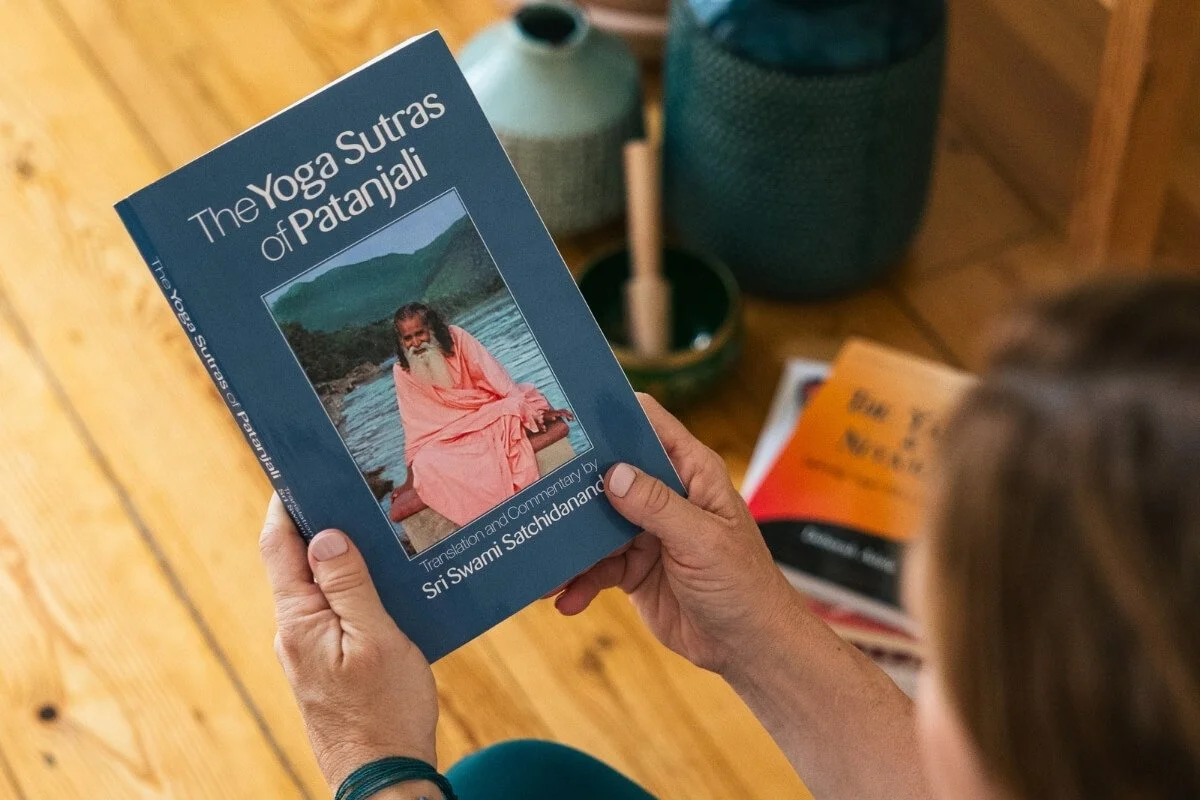
Yogas chitta vritti nirodha.
Yoga is the stilling of the fluctuations of the mind. That's Patanjali's definition of yoga, not the postures, not the breath, not the transitions. The entire point of the practice is to work with the mind. And yet when self-doubt shows up for yoga teachers, most of us treat it like a personal failing rather than what it actually is: the mind doing exactly what minds do.
Doubt is not evidence that you're inadequate. It's a vritti. And your practice already taught you how to meet it.
What Yoga Teacher Self-Doubt Sounds Like
If you've ever thought any of these, you know what I mean:
"I don't know enough yet.""What if a student asks something I can't answer?""There are teachers out there with way more experience than me.""I'm not ready."
These thoughts feel like facts when they show up. That's what makes them so convincing. They aren't facts, they're vrittis. And the mind is very good at dressing them up as truth.
I've heard versions of these thoughts from almost every teacher I've mentored, from brand new graduates to teachers with years of classes behind them. Doubt doesn't always disappear with experience. What changes is your relationship to it.
How Your Yoga Practice Is Already Training You for This
This is where your practice becomes your greatest teacher, not just for your students, but for you.
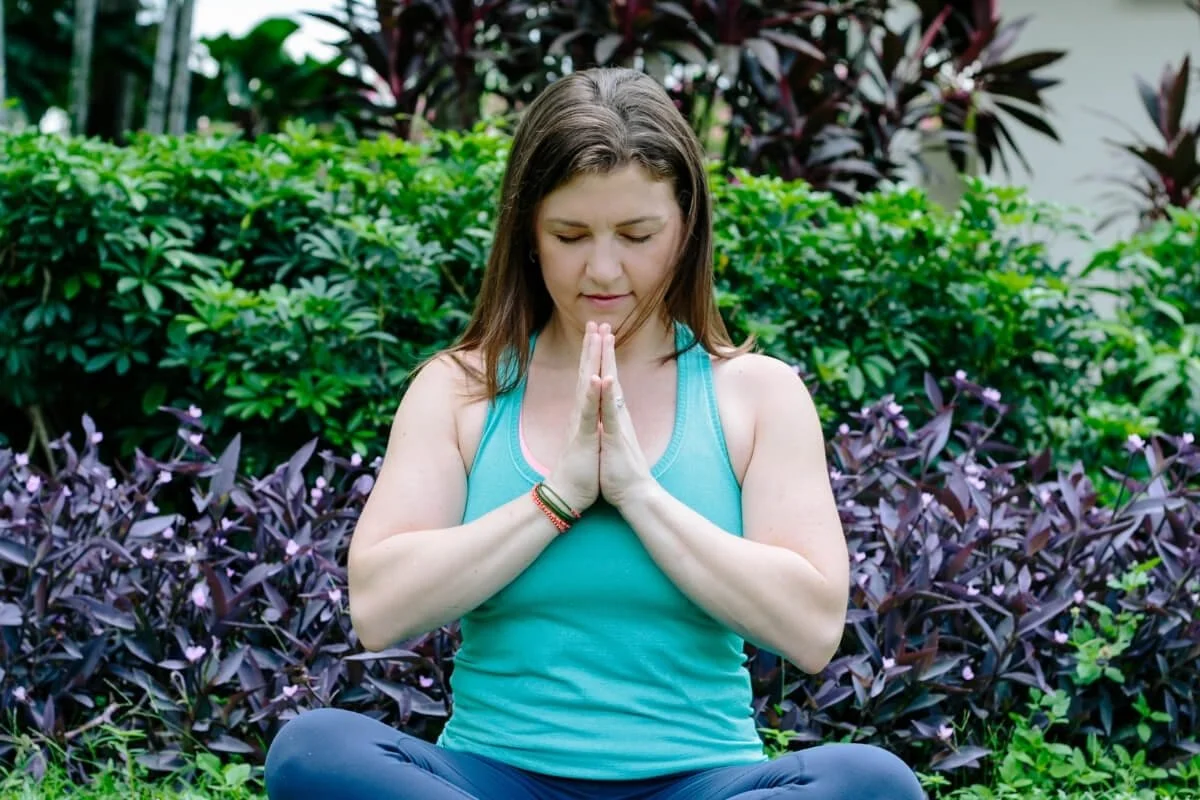
When you practice, you learn to notice a thought without becoming it. You feel discomfort in a posture and you breathe. You observe the urge to come out early and you stay. You watch the mind tell its stories and you return to the present moment, again and again. That's the practice. That's exactly the practice.
The same skill works with doubt.
When I notice that whisper now ("who are you to do this?"), I don't argue with it. I don't try to logic my way out of it. I recognize it. I witness it. And then I teach anyway.
That phrase, teach anyway, is something I say to every teacher I work with. Because the antidote to doubt isn't certainty. It's action taken in the presence of doubt. Your mat has been training you for this your whole practice.
Stephanie Silva, a graduate of my Elevate Your Impact Mentorship, described what that shift made possible for her: "I went from not teaching at all, honestly barely practicing, to teaching yoga in the park every Saturday. I've applied to studios, had interviews, and a school counselor even invited me to teach their teachers. The key thing I always tell myself now, what Trish said, is: teach anyway. There's a lot of growth in teaching anyway, even when you're afraid."
The Bottom Line
Doubt is not a signal that you're not ready. It's a vritti, a fluctuation of the mind, and your yoga practice already taught you what to do with it. Witness it. Breathe. Teach anyway.
The teachers who grow aren't the ones who wait until the doubt disappears. They're the ones who learn to recognize it, stop identifying with it, and step forward regardless. That's not a personality trait. It's a skill. And it's one you can develop.
Get Curious! Q&A
Is it normal to feel like a fraud as a yoga teacher?
Yes, and it's more common than most teachers realize. What many people call imposter syndrome is, from a yogic perspective, simply the mind generating vrittis: fluctuating thoughts that feel true but aren't facts. It happens to new teachers and experienced ones alike. Recognizing it is the first step to working with it skillfully.
Will self-doubt go away the more I teach?
Not always, and waiting for it to disappear before you teach is one of the most common ways teachers stay stuck. With practice, your relationship to doubt changes. You become a witness to it rather than someone swept away by it. That's the real shift.
How do I feel more confident teaching yoga?
Confidence comes from action, not from waiting until you feel ready. The most practical thing you can do is teach, regularly, consistently, even imperfectly. Each class builds the evidence that you can do this, even when doubt is present.
What does Yoga Sutra 1.2 mean for yoga teachers?
Yoga Sutra 1.2 (yogas chitta vritti nirodha) translates as "yoga is the stilling of the fluctuations of the mind." For teachers, this is a powerful reframe: the self-doubt, comparison, and fear that show up in your teaching life are vrittis. Your yoga practice is already training you to witness and move through them.
How do I stop comparing myself to other yoga teachers?
Comparison is another form of vritti, the mind pulling you out of the present moment and into a story about not being enough. The practice is the same: notice it, name it, and return to what's actually true. You have something to offer right now, exactly as you are.
Go Deeper with your confidence.
If you're a yoga teacher who knows you have more to offer but self-doubt keeps getting in the way, Elevate Your Impact was created for exactly this moment. The Mindset pillar goes deep into the vrittis that hold teachers back and gives you practical, yoga-rooted tools to move through them.
About the Author
Dr. Trish Corley is a Doctor of Physical Therapy (Physiotherapy) and yoga teacher trainer with over two decades of clinical experience. She helps yoga teachers learn anatomy, give clear cues, and create classes their students love. Based in Lisbon, Portugal, she leads the Enlightened Anatomy Course, the Elevate Your Impact Mentorship, and the Power to Lead 200-Hour YTT.