

Read the Blog
Hi! I’m Dr. Trish Corley.
I help yoga teachers learn anatomy, give clear cues, and lead empowering classes.
As a doctor of physical therapy, former anatomy professor, and long time yoga teacher, I have a unique way of making anatomy easy to learn and actually applicable to yoga.
We know yoga can impact the world is so many positive ways. We need great yoga teachers to make that happen! That’s what I am here for!
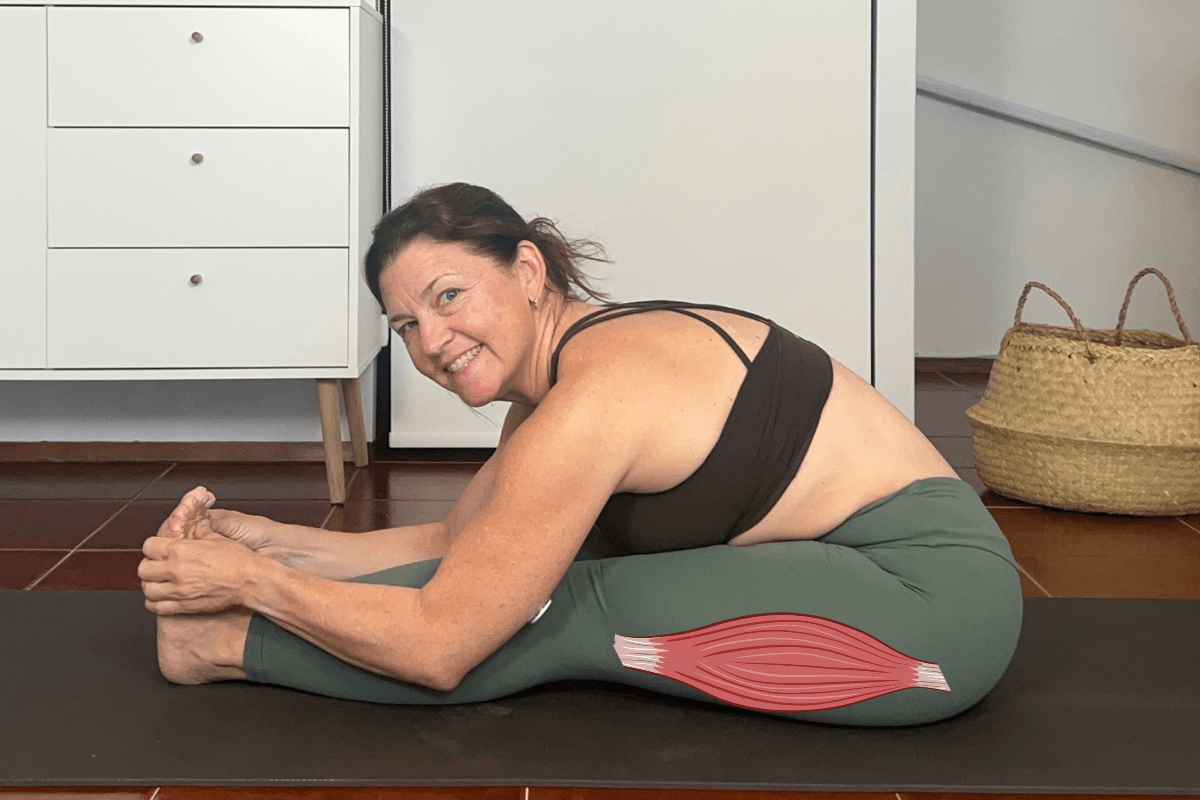
Do Muscles Lengthen When You Stretch? What's Actually Happening in Yoga
Your hamstrings feel longer after a forward fold. Here's what's actually happening inside your muscles when you stretch.
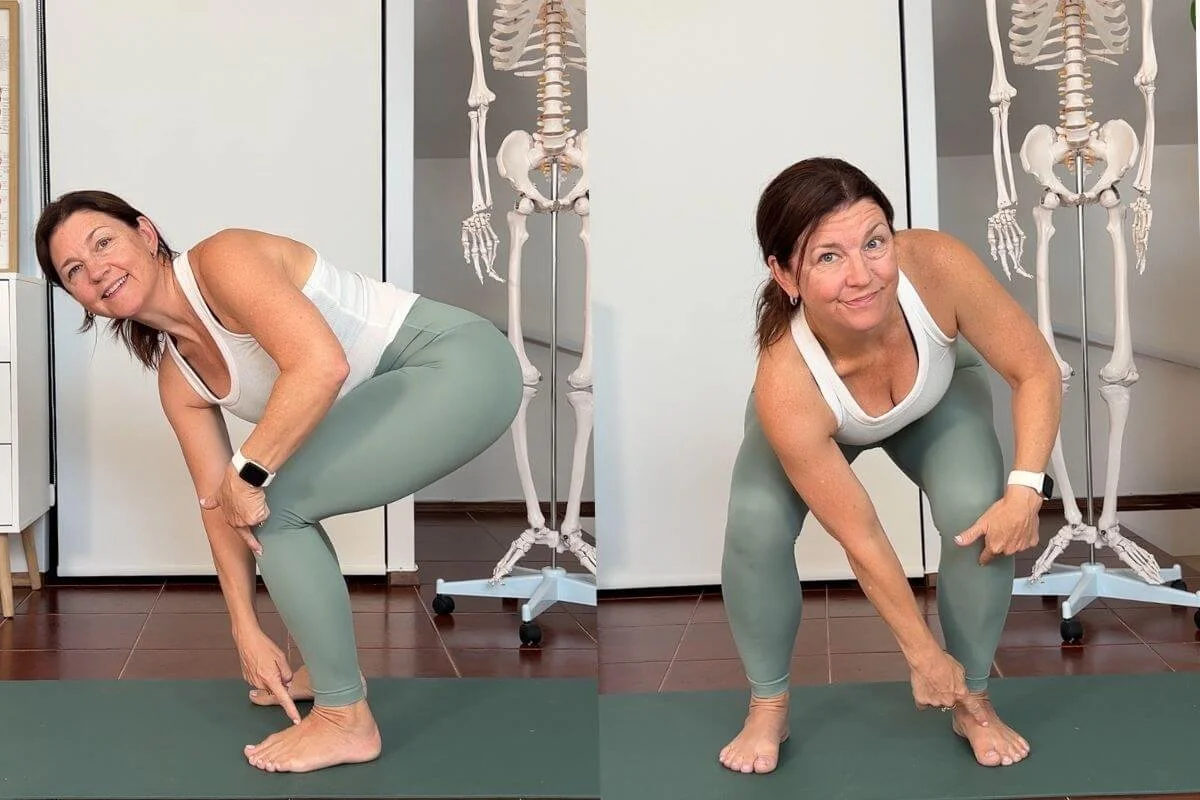
Biomechanics vs. Anatomy: What Makes You a Better Yoga Teacher
Anatomy tells you what something is called. Biomechanics tells you how it actually works, and that's the difference that changes how you teach.
Why Do Joints Crack in Yoga?
Curious why your joints pop and crack in yoga? A PT breaks down the science, and when it's nothing to worry about.
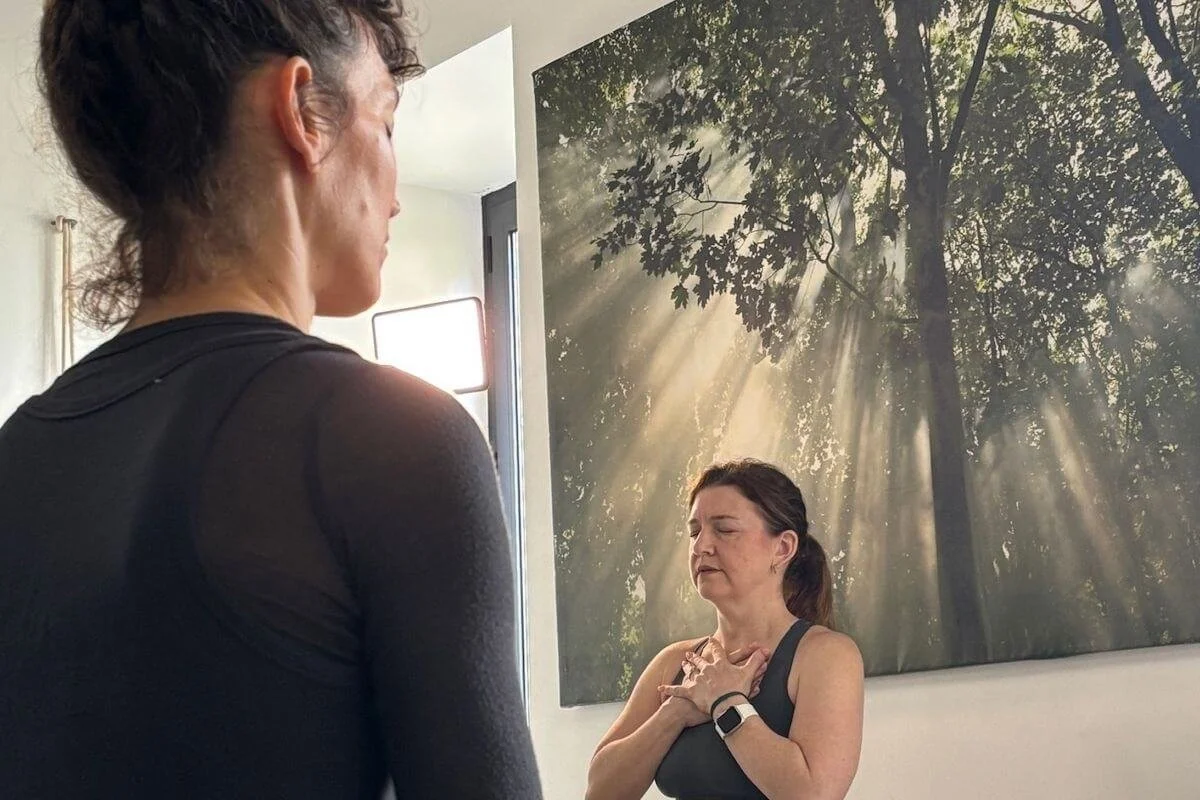
Conscious Breathing in Yoga: It's Neuroscience
Conscious breathing gives you direct access to your nervous system. Here's the neuroscience behind why it works.
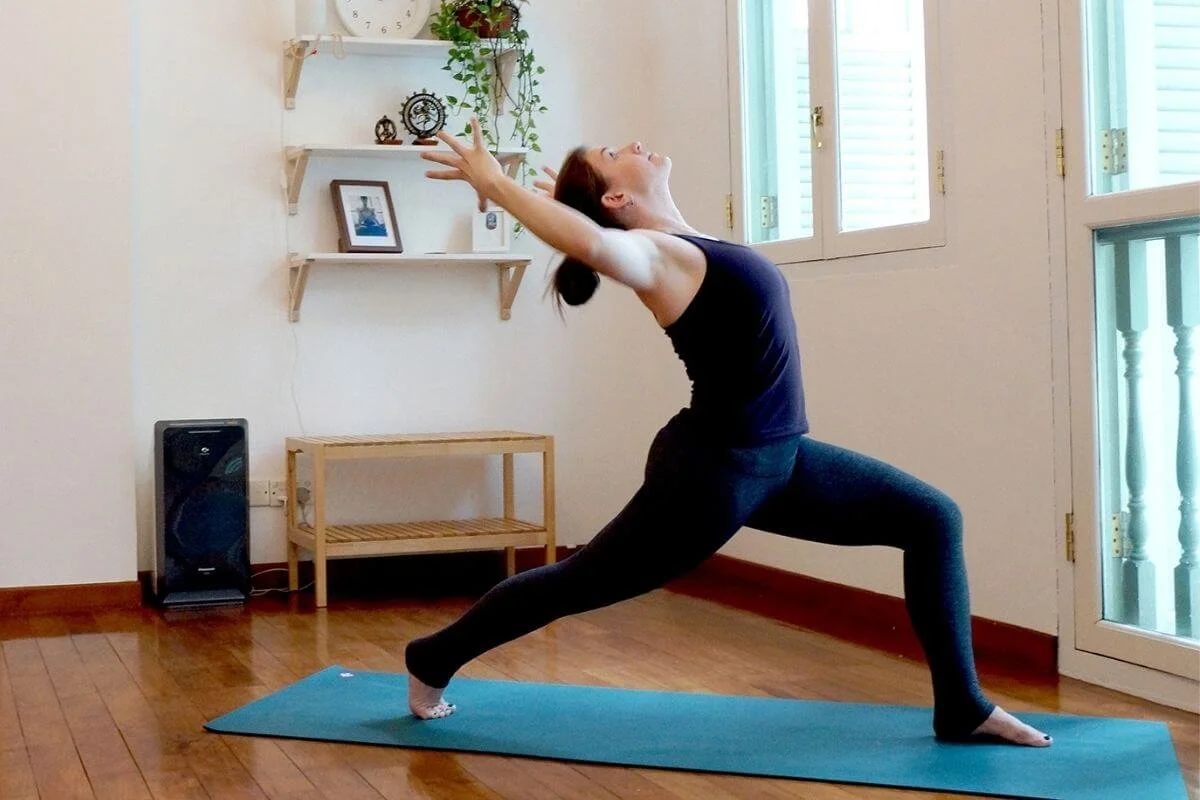
The Anatomy of Energy in Yoga: A Nervous System Guide
Yoga teachers talk about energy constantly. Here's the real anatomy behind it, from motor pathways to the chemistry of a single nerve signal.
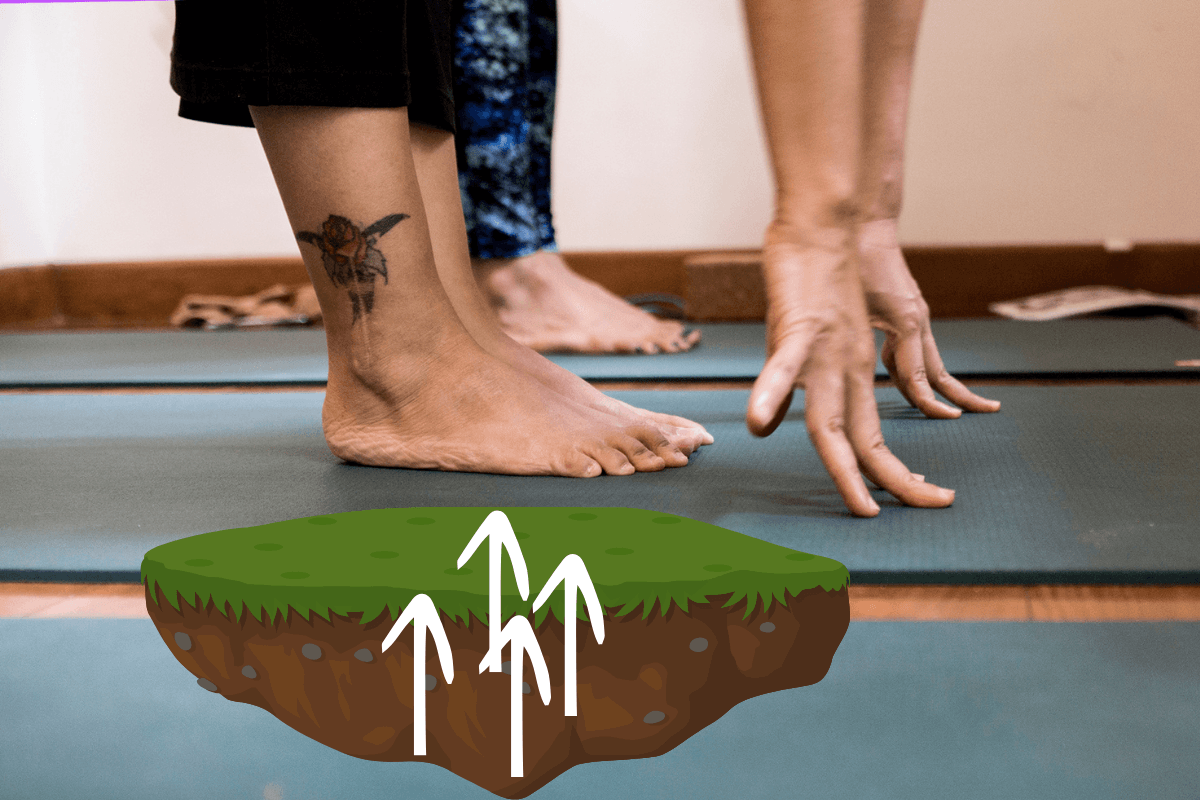
Ground Reaction Force in Yoga: Why Pressing Down Works
The physics behind every “press down” cue in yoga, and why understanding it changes how you teach.
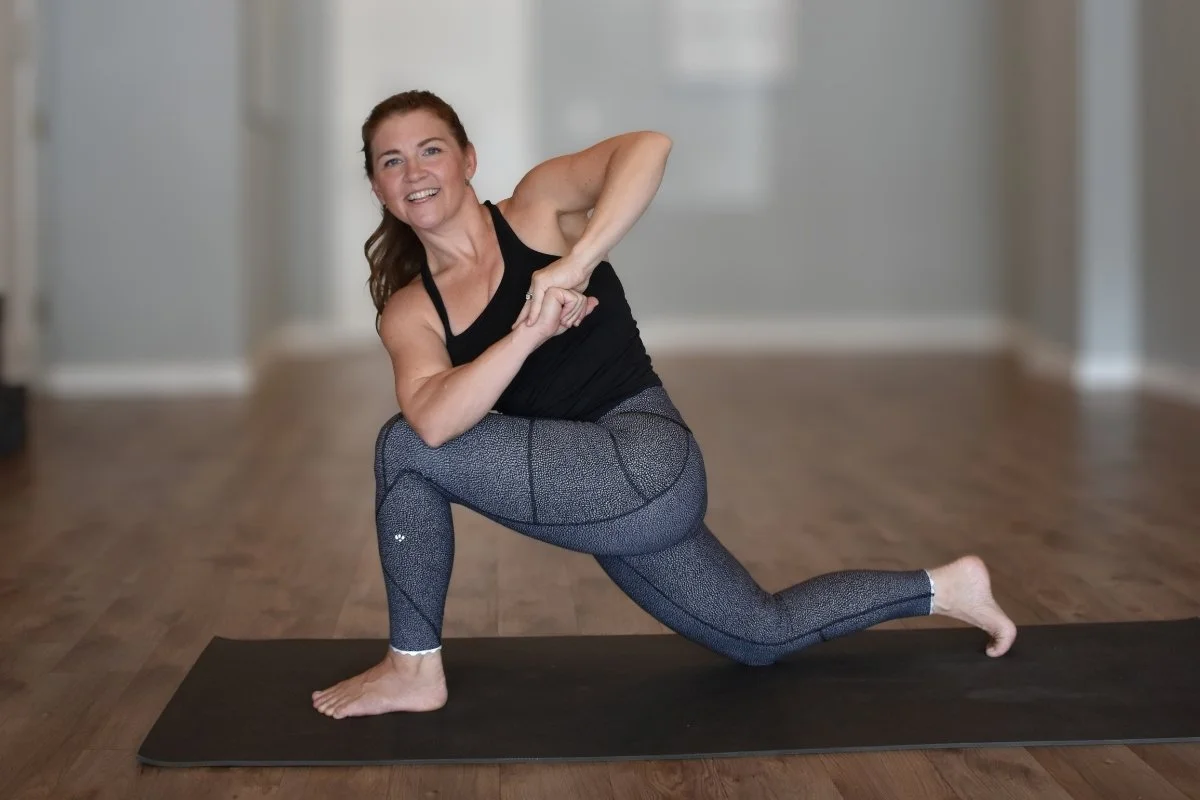
Yoga Modifications: How to Adapt Any Posture
One principle makes yoga modifications simple: the base of support. Here's how to use it for any posture, any student, any situation.
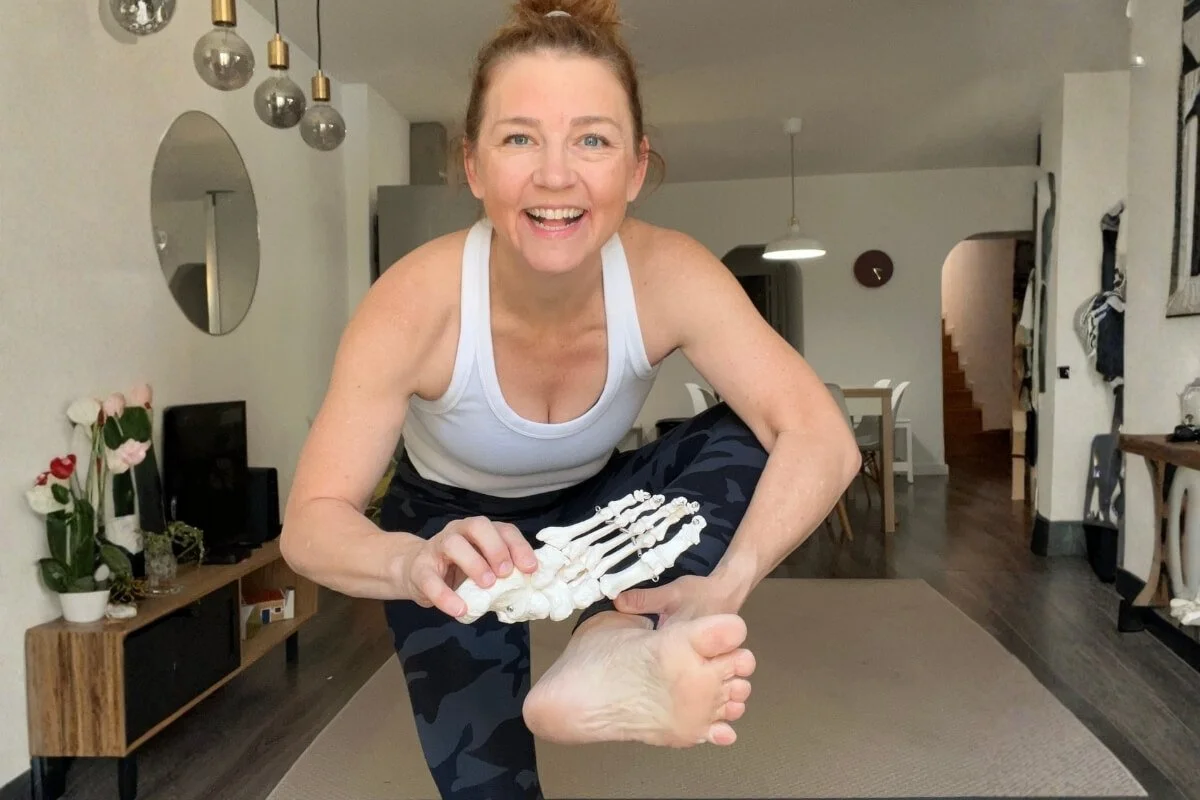
Can Yoga Rebuild the Arches of Your Feet?
Flat feet aren't permanent. Here's the anatomy behind why yoga for flat feet can actually change your arches over time.
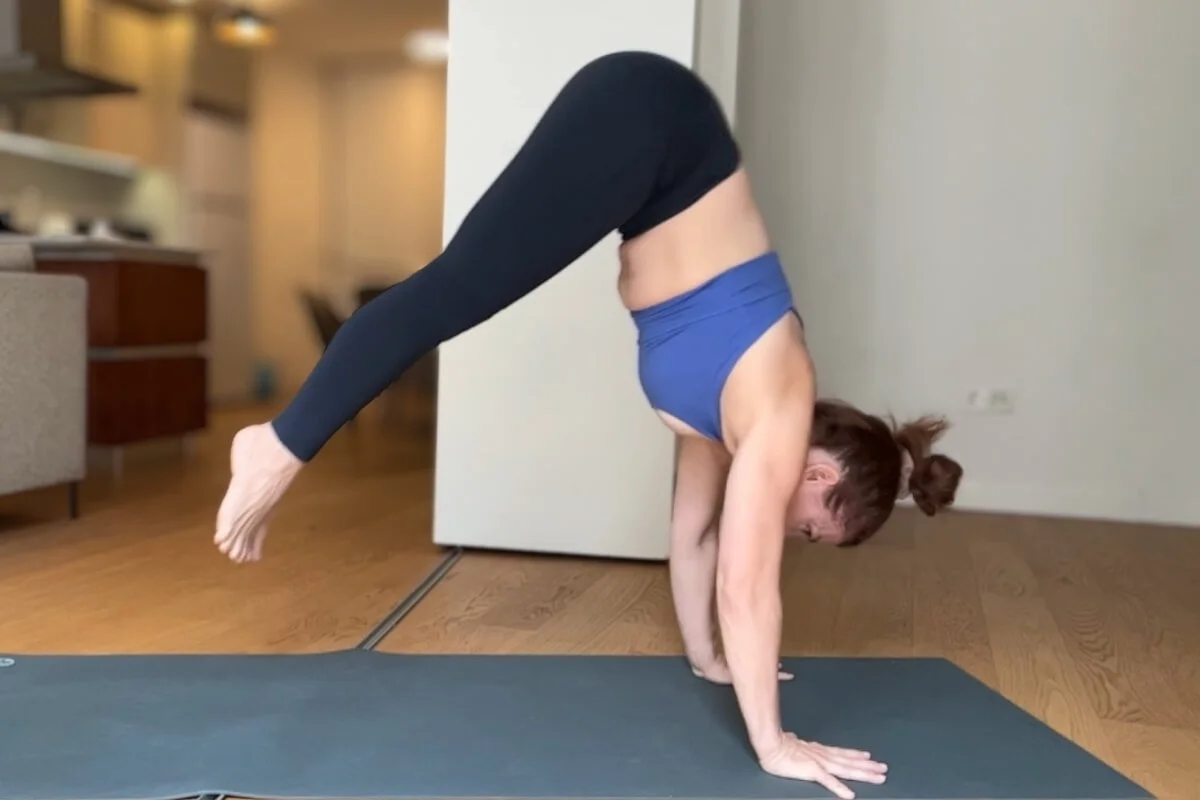
Breath Cues in Yoga: Inhale or Exhale to Float Forward?
The breath cue you give when floating forward from Downward Facing Dog matters more than you think. Here's the anatomy behind it.
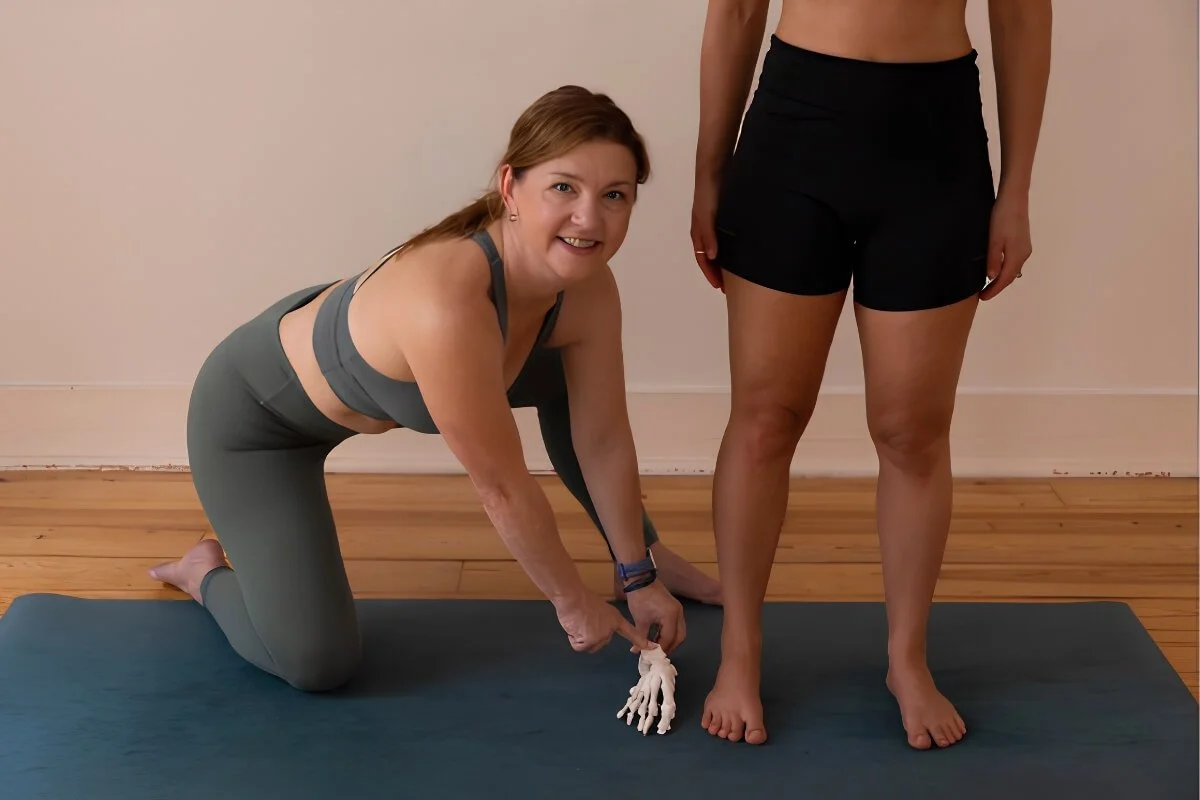
How to Learn Yoga Anatomy (Without the Overwhelm)
A practical, body-first approach to learning yoga anatomy — designed specifically for yoga teachers, not medical students.
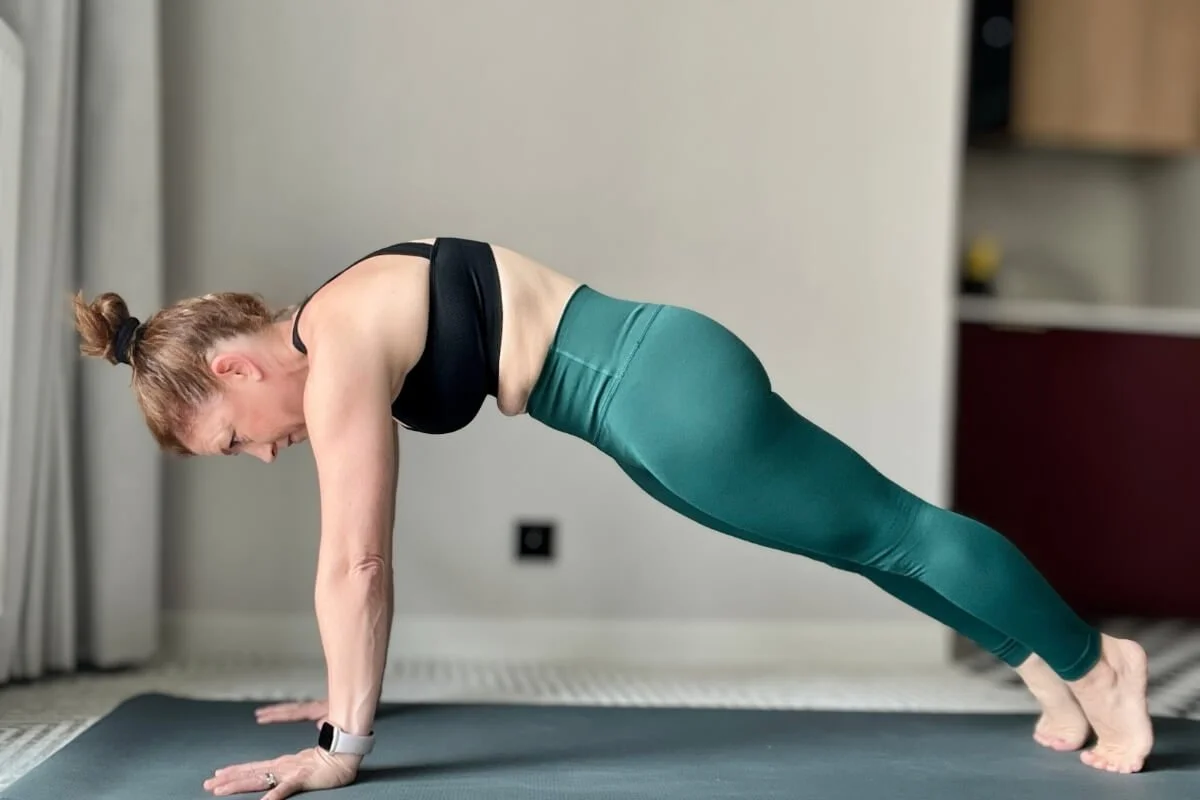
Should You Dome the Back in Yoga Plank?
What's actually happening when you dome the back in plank, and why it matters for the transition to chaturanga.
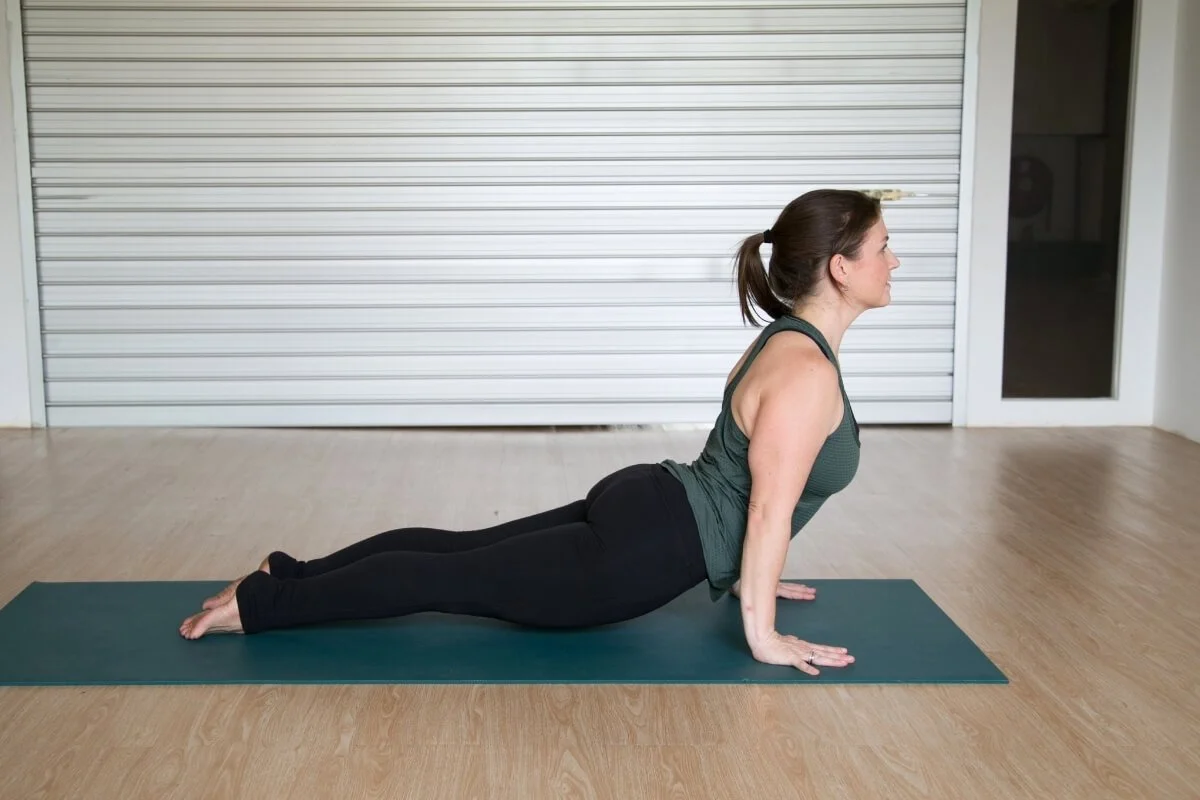
One Magical Cue for Shoulder Alignment in Upward Facing Dog
The most effective cue for shoulder alignment in upward facing dog doesn't mention the shoulder at all. Here's the one cue that changes everything.
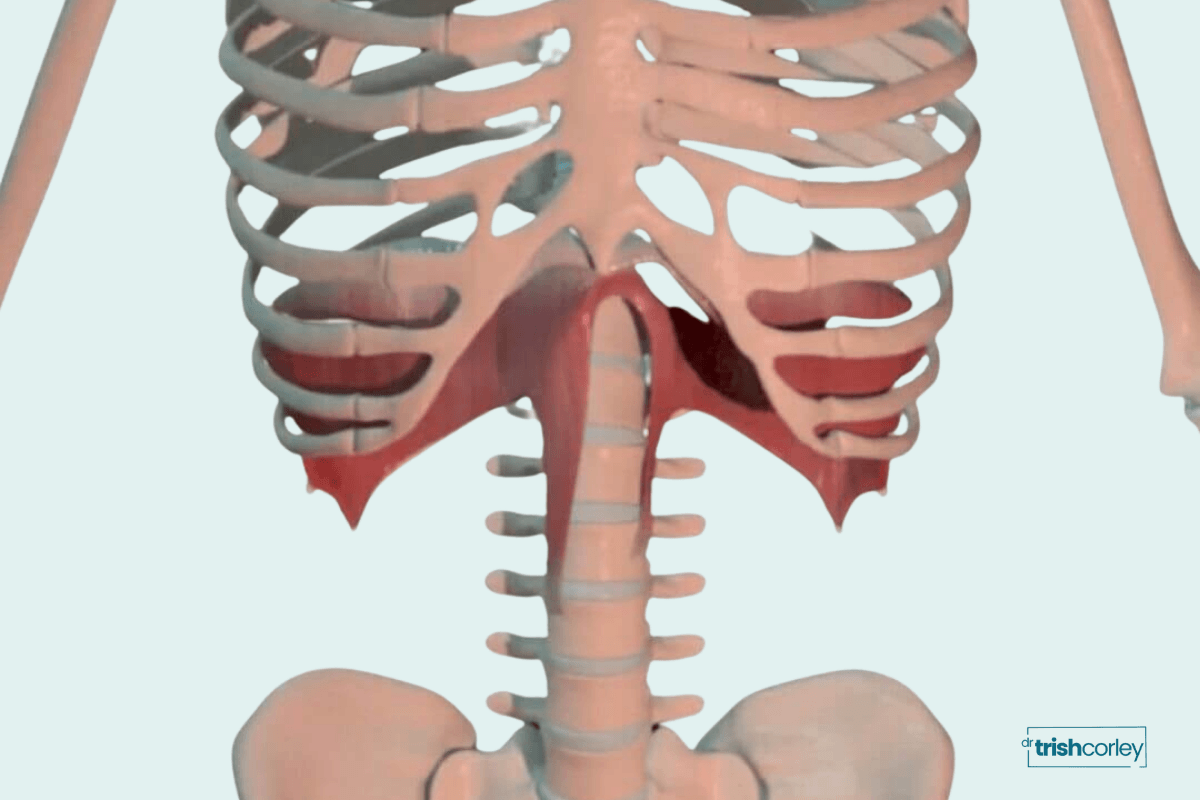
5 Reasons Yoga Teachers Should Study the Spine and Ribs
Understanding the connection between the spine and ribs helps yoga teachers give better cues, reduce student back pain, and teach with more confidence.
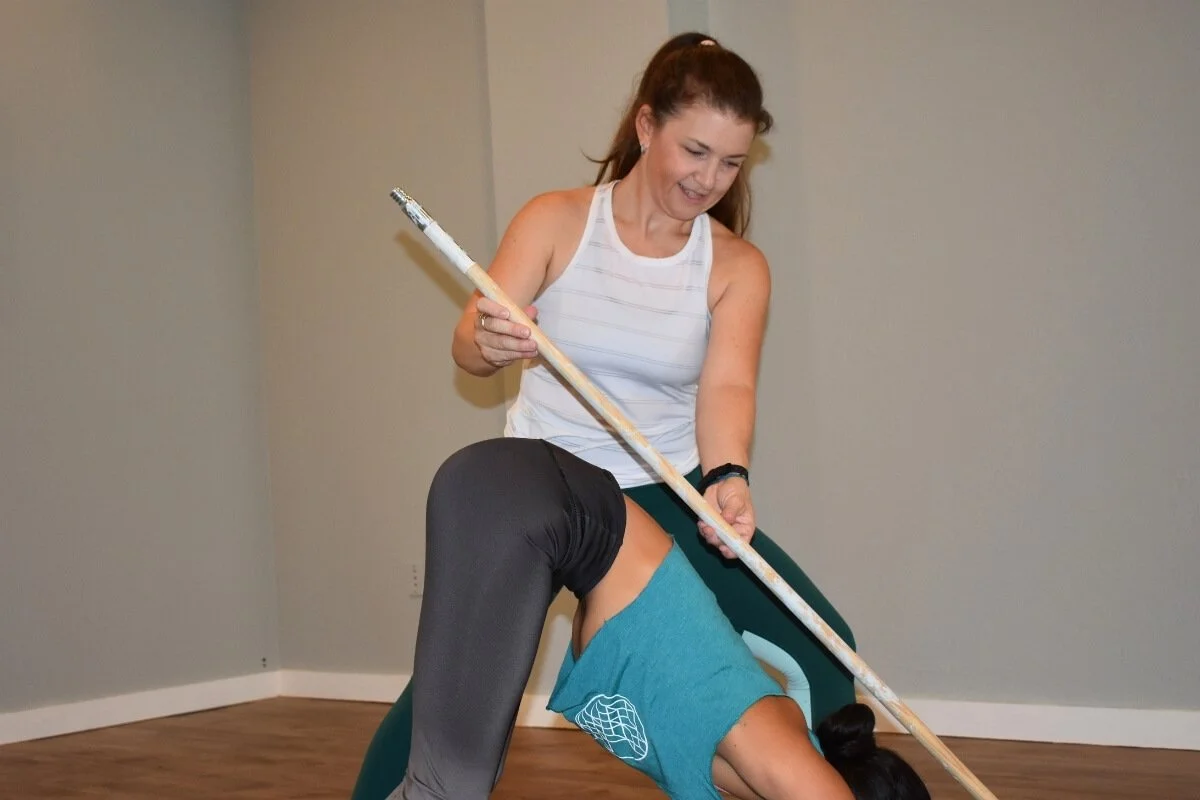
Does Yoga Alignment Keep Students Safe? A Physical Therapist’s Take
Yoga alignment alone does not keep students safe in yoga. A Doctor of Physical Therapy on the balance between precision and freedom.
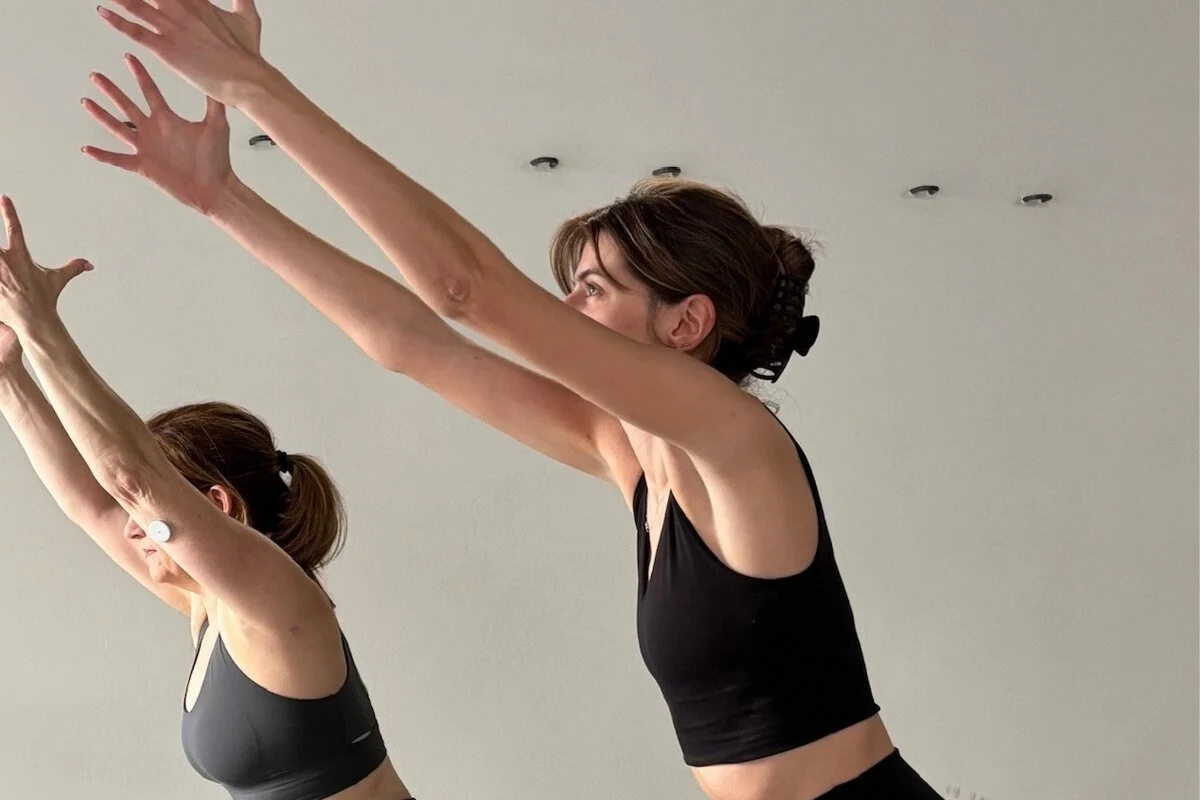
Yoga Alignment for Teachers: How a Cueing Framework Transforms Teaching
Sarah Kelly, a Power to Lead graduate, shares how learning anatomy-informed alignment changed her practice and her teaching
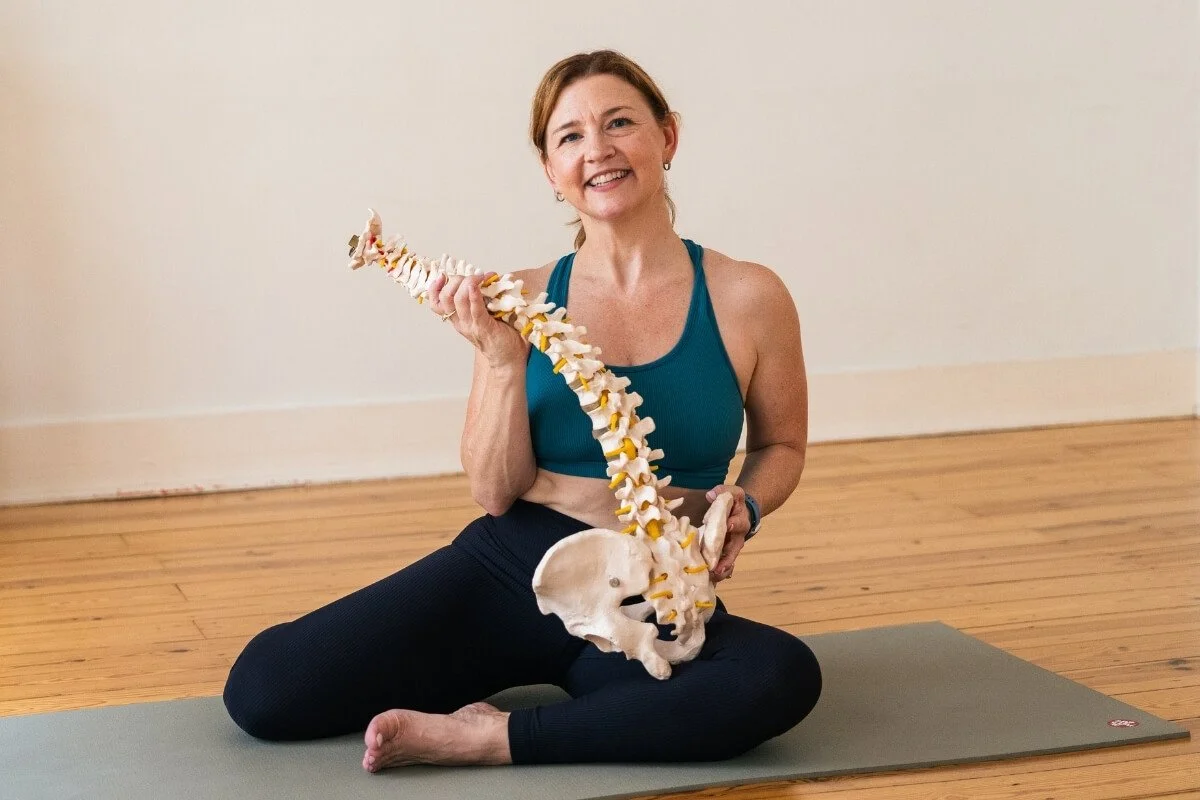
How the Spine Moves in Yoga? A Physical Therapist’s Guide
Understanding how the spine moves is what separates a nervous yoga teacher from a confident one. Learn the six directions of spinal movement and how to apply them in your classes.
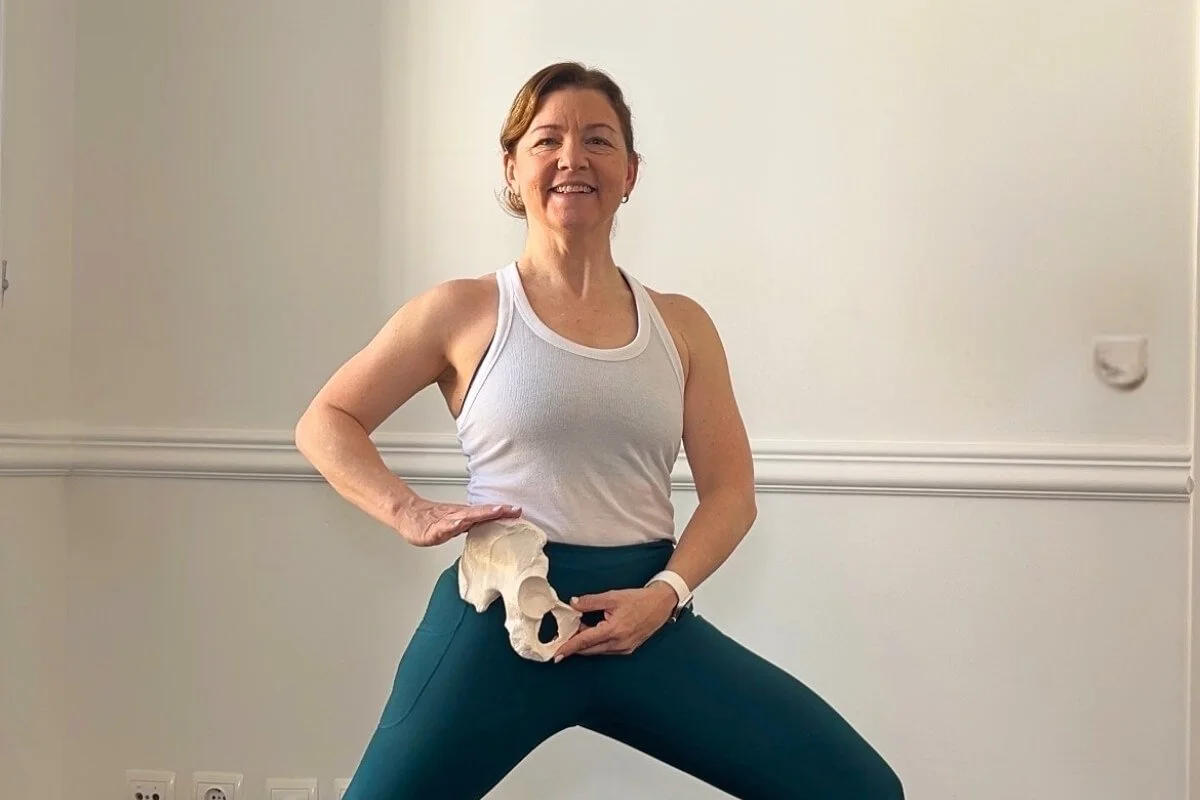
How to Find Neutral Pelvis in Yoga (And Why It Changes Everything)
Neutral pelvis is one of the most powerful alignment concepts for your yoga practice. Learn what it is, how to find it on your own body, and why it makes hard postures feel easier. Better: Learn how to find neutral pelvis on your own body with this hands-on anatomy guide from a Doctor of Physical Therapy. Discover why this one concept can change how every yoga posture feels.
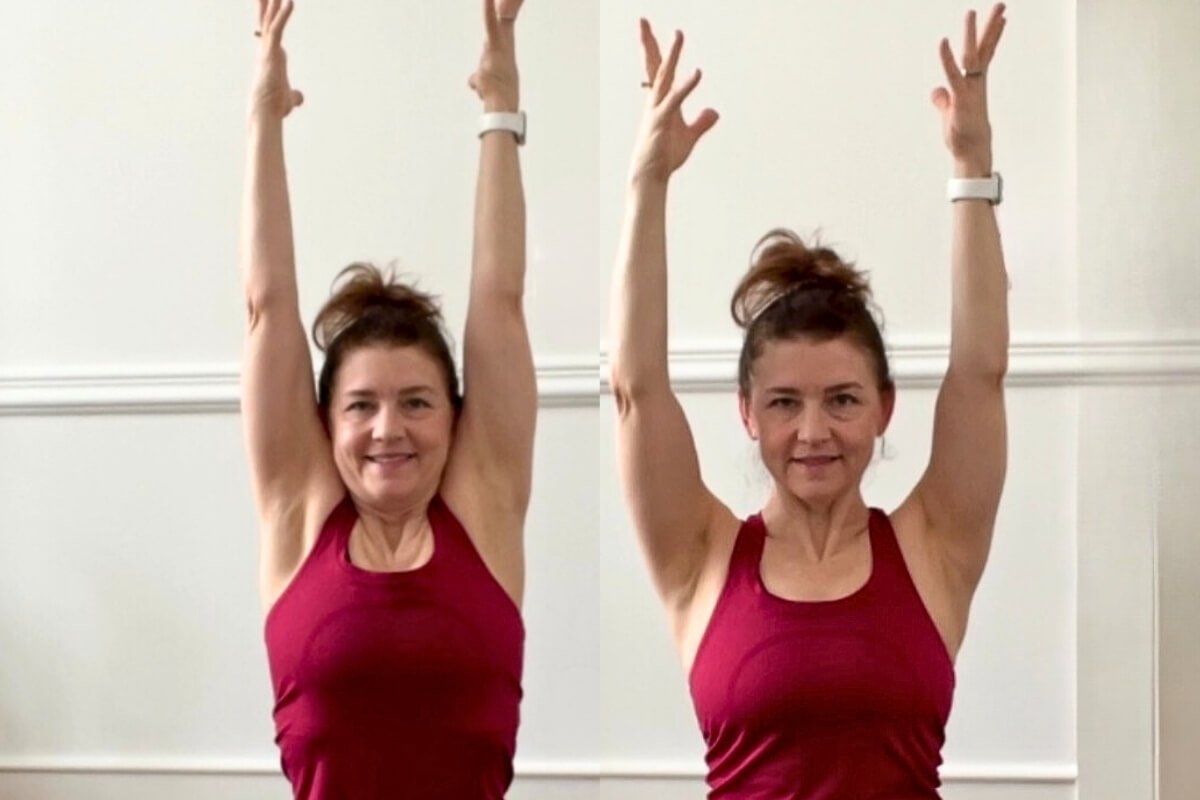
Shoulders Up or Down? The Anatomy Behind Yoga's Most Confusing Cue
The debate over shoulder cues has confused yoga teachers for years. Here's what's actually happening anatomically when your arms go overhead.
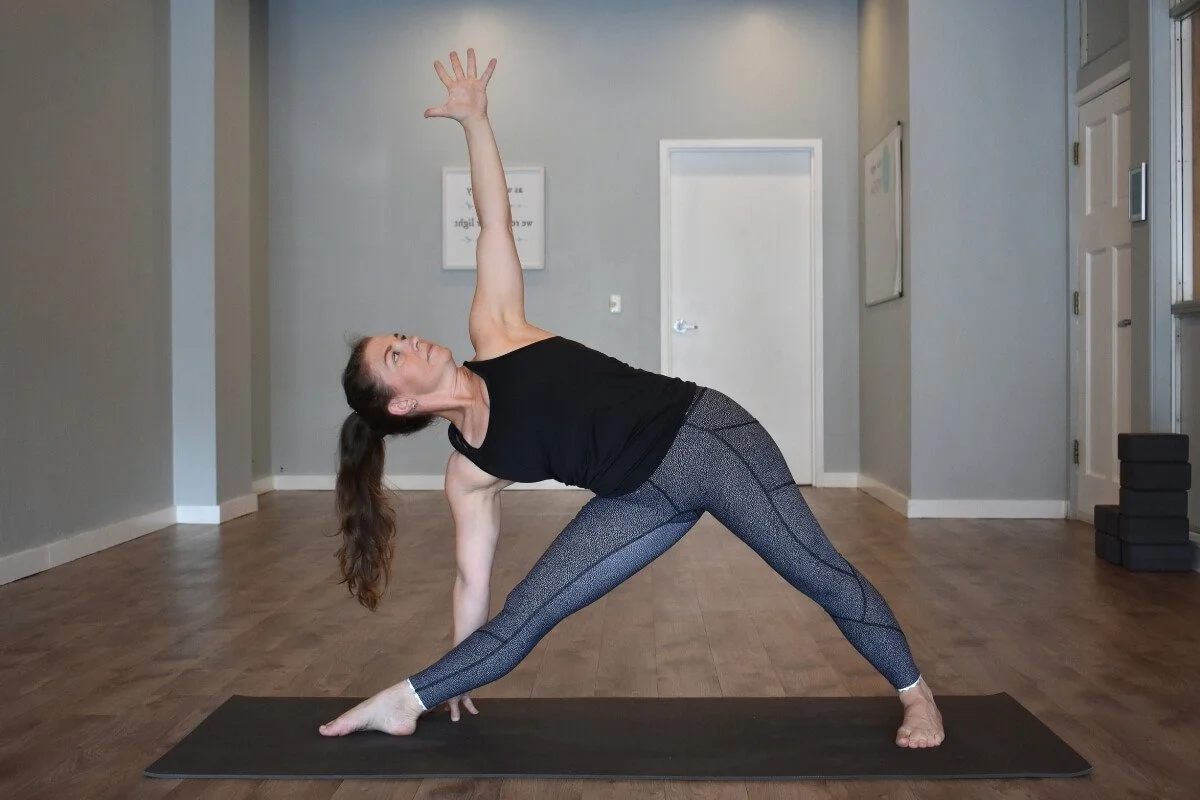
Should You Lock Your Knees in Yoga? A Physical Therapist’s Perspective
The cue "lock your knees" isn't inherently dangerous, but it's frequently misunderstood. Here's what's really happening and what to say instead.
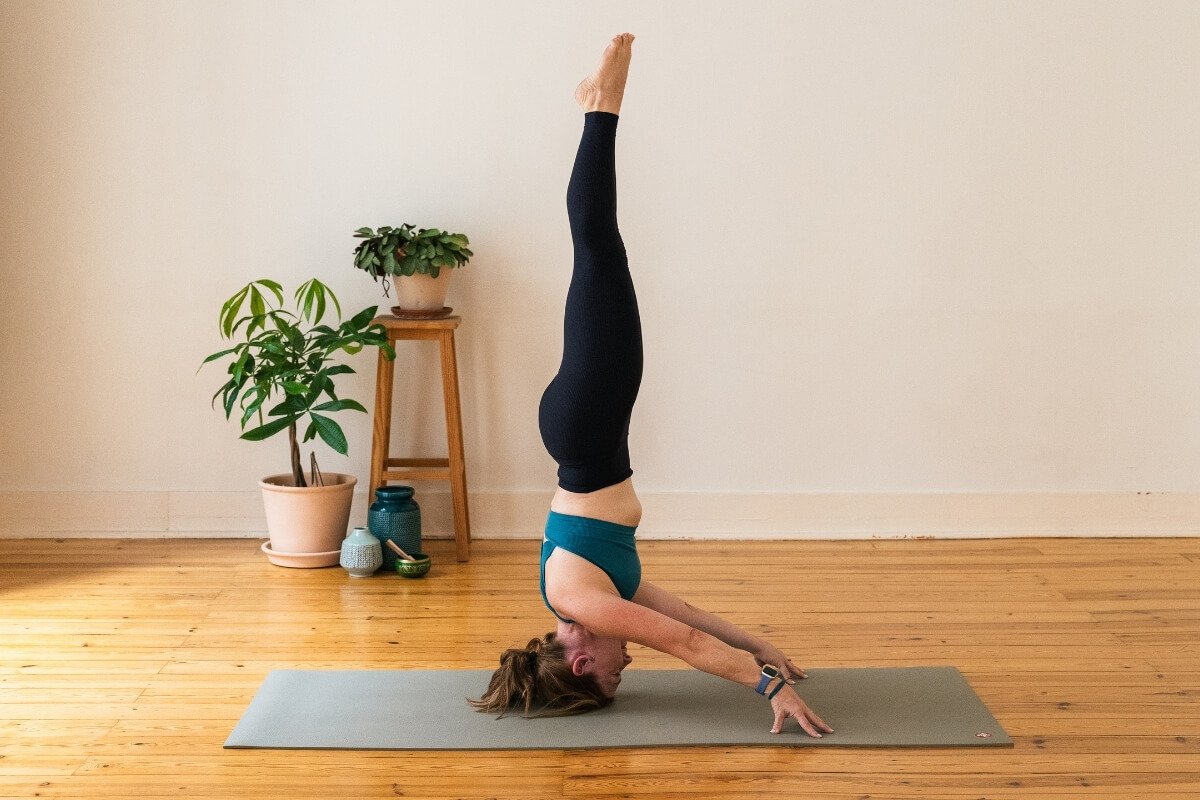
Stop Saying "Engage Your Core" in Yoga (Why This Cue Doesn’t Work)
Most people don't know what "engage your core" actually means. Here's why this common cue doesn't work and a more effective approach to cueing stability.